


Table of Content
What is the coronary artery?Coronary angiography techniques and appearanceFunction and importance of the coronary arteriesCoronary artery diseasesCauses of coronary artery diseaseSymptoms of coronary artery diseaseCoronary artery procedures and their success ratesTips for maintaining coronary artery healthConclusion
Coronary Artery Procedures
We work hard to create an exceptional experience for you during your treatment in Egypt. When you book through our website, you will receive a distinguished medical service inside Egypt. In your medical journey, we will provide you with tourism and entertainment services as well.
Coronary Artery Procedures
The coronary arteries play a vital role in supplying the heart with oxygen and nutrients necessary for efficient function. Coronary artery diseases are among the most common heart conditions and can lead to serious complications if not treated promptly. In this article, we will discuss in detail the importance of coronary arteries and the most common diseases that may affect them.
What is the coronary artery?
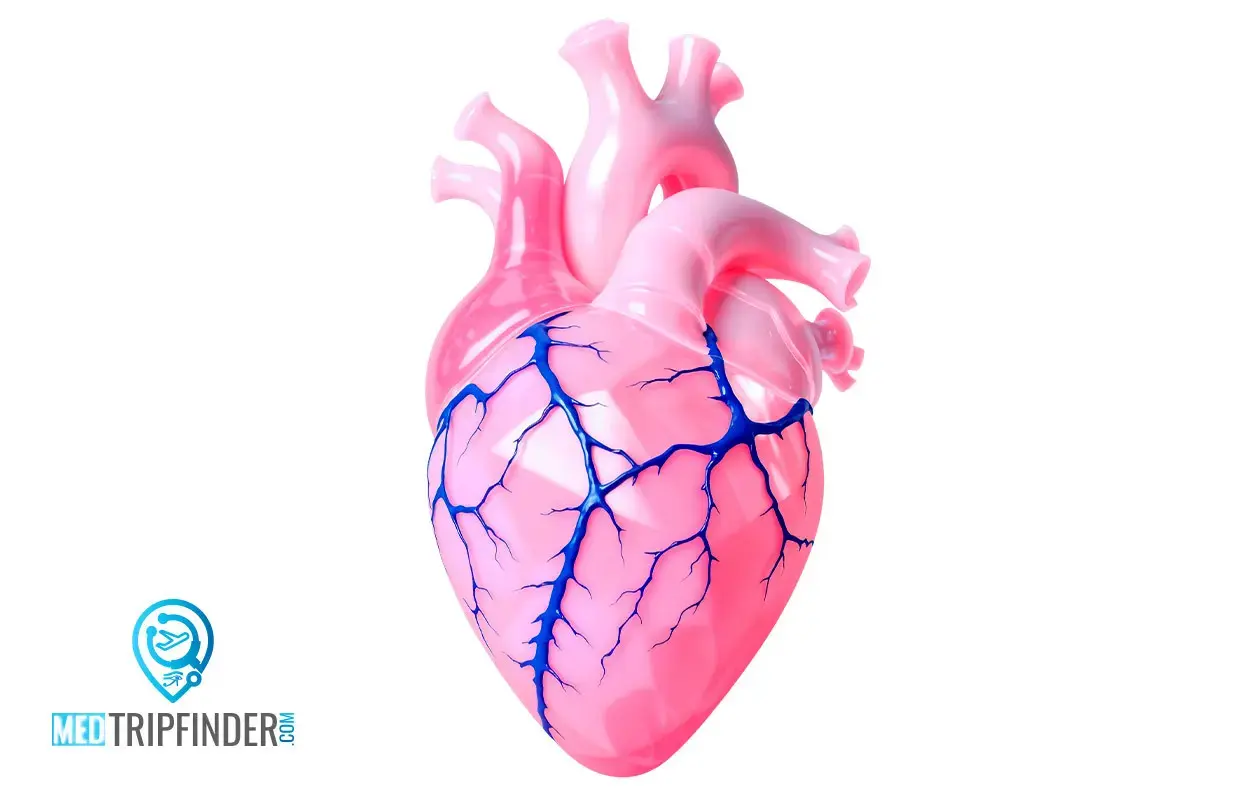
The coronary arteries are the main blood vessels that supply the heart muscle with oxygen and nutrient-rich blood. These arteries are located on the surface of the heart and wrap around it, nourishing all parts of the cardiac muscle.
Coronary arteries are divided into:
• The left coronary artery divides into two branches: the circumflex artery and the left anterior descending artery.
• The right coronary artery supplies the right side of the heart.
Coronary angiography techniques and appearance
Upon imaging, the coronary arteries appear as a network of branching vessels surrounding the heart. When viewed through X-rays or CT scans, they appear as tubular, branching structures.
• X-ray angiography: A dye is injected to visualize the vessels
• CT scan: Used to show detailed structures
• MRI angiography: Evaluates arteries without using contrast dye
Function and importance of the coronary arteries
The primary function of the coronary arteries is to supply the heart muscle with oxygen-rich blood and essential nutrients.
The importance of coronary arteries:
• Nourishing the heart muscle: Ensures continuous heart function as a pump, distributing blood throughout the body
• Waste removal: Helps remove carbon dioxide and waste products resulting from heart activity
Coronary artery diseases
Coronary artery diseases include a group of conditions that affect blood flow to the heart muscle. The most common coronary artery diseases include:
• Atherosclerosis: The accumulation of fats and cholesterol on the inner walls of the arteries.
• Angina: Chest pain due to insufficient blood flow
• Myocardial infarction: Complete blockage of a coronary artery leading to death of part of the heart muscle
• Coronary artery insufficiency: Inability of the arteries to supply a sufficient amount of blood
Causes of coronary artery disease
The causes of coronary artery disease are related to factors that cause artery blockage or damage, including:
• Hypercholesterolemia increases the accumulation of fat on the arterial walls.
• Hypertension weakens the walls of the arteries over time.
• Smoking damages the inner lining of the arteries.
• Diabetes negatively affects the health of blood vessels.
• Obesity increases the burden on the arteries.
• Lack of physical activity weakens blood circulation.
Symptoms of coronary artery disease
Symptoms appear when cholesterol builds up in the arteries, narrowing them and reducing blood flow. Common symptoms of coronary artery disease include:
• Chest pain (angina): This is considered the most important symptom of coronary artery disease, and it is a feeling of pressure or burning in the middle of the chest.
• Shortness of breath: Due to insufficient oxygenated blood reaching the heart.
• Chronic fatigue: Feeling tired even after minimal effort.
• Heart palpitations: Irregular heartbeat.
• Cold sweating: Especially during heart attacks.
• Radiating pain: Pain may extend to the left arm, jaw, or back, and is a key sign of coronary artery disease.
1. Coronary artery insufficiency
Coronary artery insufficiency is a condition in which the coronary arteries are narrowed or partially blocked, reducing blood flow to the heart muscle.
The main causes of coronary artery insufficiency include:
• Atherosclerosis
• Blood clots
• Coronary artery spasms
Symptoms of coronary artery insufficiency:
The main symptoms of coronary insufficiency include:
• Chest pain: Known as angina, which the patient feels as pressure or heaviness in the middle of the chest.
• Shortness of breath: Especially during physical activity
• Fatigue: Due to the heart’s reduced ability to pump blood efficiently
• Heart palpitations: Increased or irregular heartbeat
• Cold sweating: A common symptom when blood flow decreases
Risks of coronary artery insufficiency:
Coronary artery insufficiency is a serious condition if left untreated and may lead to complications such as:
• Chronic angina pectoris
• Heart attack
• Heart failure
• Arrhythmias
Treatment of coronary artery insufficiency:
Treatment depends on the severity of the condition and includes:
• Medications: To improve blood flow and reduce symptoms
• Cardiac catheterization: To open arteries using a balloon and a stent
• Coronary artery bypass surgery: To create a new pathway for blood flow
Medications for coronary artery insufficiency:
• Nitrates: Used to dilate arteries and improve blood flow
• Beta-blockers: Reduce blood pressure and improve heart function
• Anticoagulants: Such as aspirin to reduce the risk of blood clots
• Cholesterol-lowering drugs: Such as statins
2. Coronary atherosclerosis
Coronary artery atherosclerosis occurs due to the buildup of fats and cholesterol on artery walls, leading to narrowing and reduced blood flow to the heart muscle.
Causes of coronary atherosclerosis include:
Causes of coronary atherosclerosis include:
• High levels of LDL
• Hypertension
• Smoking
• An unhealthy lifestyle, such as a lack of activity and excess weight
• Diabetes
Symptoms of coronary atherosclerosis:
• Chest pain or pressure (angina)
• Shortness of breath
• Fatigue and exhaustion
• Rapid heartbeat
Treatment of coronary atherosclerosis:
Treatment aims to improve blood flow and reduce complications. Methods include:
• Medications:
o Statins to lower cholesterol
o Anticoagulants such as aspirin to prevent clots
o Nitrates to dilate blood vessels
• Surgical procedures:
o Balloon angioplasty to open blocked arteries
o Stent placement to prevent re-blockage
o Coronary bypass surgery to improve blood flow
• Lifestyle changes:
o Improving diet and engaging in regular exercise.
3. Coronary artery aneurysm
Coronary artery aneurysm, or coronary artery dilation, is a rare condition in which the walls of the coronary arteries weaken, causing them to widen abnormally.
The main causes include:
The main causes include:
• Autoimmune diseases
• Chronic inflammation
• Chronic hypertension
Symptoms of a coronary artery aneurysm:
• Chest pain
• Shortness of breath
• Heart palpitations
• Feeling dizzy or fatigued
Treatment of coronary artery aneurysm:
Treatment aims to reduce the risk of complications such as blood clots or artery rupture. Treatment options include:
• Coronary vasodilator medications: These are used to improve blood flow and reduce pressure on the heart, such as:
o Nitrates like nitroglycerin, which dilate blood vessels
o Calcium channel blockers, like amlodipine, reduce smooth muscle contraction in arteries
o Beta-blockers, which reduce the workload on the heart and improve blood flow
o Vasodilators like hydralazine
• Surgical procedures: If the aneurysm is large, surgery may be required to replace the damaged part of the artery
4. Coronary artery stenosis
Coronary artery stenosis is the narrowing of the coronary artery due to the accumulation of fats and cholesterol or spasms in the arterial walls.
Symptoms of coronary artery stenosis:
• Chest pain (angina)
• Difficulty breathing during exertion
• General weakness or fatigue
• Dizziness and fainting in advanced cases
Treatment of coronary artery stenosis:
Treatment for coronary artery stenosis depends on the severity of the condition and the symptoms. Treatment options include:
• Medications, such as anticoagulants and vasodilators, are used to improve blood flow
• Cardiac catheterization to widen the narrowed artery using a balloon
• Stent placement to keep the artery open
• Coronary artery bypass surgery to create an alternative pathway for blood flow
5. Coronary artery occlusion
Coronary artery occlusion is a serious condition that occurs when fats and cholesterol accumulate inside the coronary arteries that supply the heart, obstructing blood flow and reducing oxygen supply to the heart muscle.
Causes of coronary artery occlusion:
Coronary artery blockage occurs as a result of several factors that weaken artery walls or increase the accumulation of cholesterol and fats, including:
• Atherosclerosis
• Hypertension
• Elevated LDL levels
• Diabetes
• Smoking
• Obesity and lack of physical activity
Symptoms of coronary artery occlusion:
Symptoms of coronary artery disease vary depending on the severity of the blockage and its impact on blood flow. Common symptoms include:
• Chest pain (angina), appearing as pressure or tightness in the center of the chest, especially during exertion
• Shortness of breath due to a lack of oxygen in the heart muscle
• Fatigue and exhaustion even with simple activities
• Heart palpitations (irregular heartbeat)
• Cold sweating, especially during heart attacks
Complications of coronary artery occlusion:
Coronary artery blockage can lead to serious, life-threatening complications if not treated promptly. Some of the most significant complications of coronary artery blockage include:
• Chronic angina
• Coronary thrombosis, a complete blockage of the artery, leading to a heart attack
• Heart failure is the heart's inability to pump blood efficiently
• Arrhythmias, which may cause sudden cardiac arrest
• Artery rupture (rare but fatal)
Risks of coronary artery occlusion:
Coronary artery blockage is extremely dangerous due to its direct impact on heart function and may lead to:
• Heart attacks are due to a complete interruption of blood flow
• Cardiac arrest, a sudden cessation of heart function
• Sudden death in severe, untreated cases
Treatment of coronary artery occlusion:
Treatment for coronary artery disease depends on the severity of the condition. Treatment options include:
• Non-surgical treatment:
In early cases, it may be treated without surgery through medications and lifestyle changes such as:
o Following a healthy, fiber-rich diet and reducing fat intake
o Exercising regularly to improve circulation
o Quitting smoking to improve vascular health
o Controlling chronic diseases such as hypertension and diabetes
• Medications:
o Anticoagulants such as aspirin
o Cholesterol-lowering drugs such as statins
o Nitrates to dilate blood vessels
• Surgical procedures:
o Cardiac catheterization with a balloon to open the blocked artery
o Stent placement to keep the artery open
o Coronary artery bypass surgery to create an alternative pathway for blood flow
Is coronary occlusion surgery dangerous?
The Coronary occlusion surgery is generally safe when performed by a specialized medical team. However, there may be some risks, such as bleeding or blood clots.
6. Coronary artery thrombosis:
A coronary artery thrombosis occurs when a fragment of calcified plaque breaks off from its wall or a blood clot forms inside the artery, leading to a complete blockage.
Symptoms of coronary artery thrombosis:
• Severe chest pain that may radiate to the left arm or jaw
• Sudden shortness of breath
• Excessive sweating
• Fainting or dizziness
7. Coronary artery spasm:
Coronary artery spasm is a condition in which the artery walls contract abnormally, obstructing blood flow.
Causes of coronary artery spasm:
• Smoking
• Stress and psychological pressure
• Exposure to extreme cold
• Use of medications that affect blood vessels
Treatment of coronary artery spasm:
• Use of calcium channel blockers and beta-blockers
• Avoiding triggers such as smoking and caffeine
Coronary artery procedures and their success rates:
Coronary artery surgeries or procedures are performed to widen blocked coronary arteries or repair damage caused by atherosclerosis. Types of coronary artery procedures include:
1. Coronary artery stent placement
2. Coronary artery catheterization
3. Coronary artery bypass grafting
The success rate of coronary artery procedures is very high when performed at the right time and by specialized doctors, with success rates exceeding 95% in uncomplicated cases. Factors affecting success include:
• The complexity of the patient’s condition
• The type of procedure required
• The patient’s adherence to post-operative medical instructions
1. Coronary artery stent placement
Coronary stents are used to open blocked arteries and improve blood flow. The steps include:
1. A catheter with a small balloon is inserted through a vein
2. The balloon is inflated to open the blocked artery
3. A stent is placed to keep the artery open
Benefits of coronary stents:
• Improve blood flow
• Reduce the risk of heart attacks
• Alleviate symptoms such as angina
2. Coronary artery catheterization:
Coronary catheterization is a non-surgical procedure used to diagnose and treat arterial blockages. It involves:
1. Inserting a thin tube (catheter) through an artery
2. Using dye imaging to identify blockages
3. Removing the blockage or placing a stent
3. Coronary artery bypass grafting (CABG):
This procedure is performed to bypass severely damaged parts of the blocked arteries with healthy ones taken from other parts of the body, such as the leg. The procedure creates a new pathway for blood flow to bypass blocked coronary arteries using a healthy blood vessel from the patient’s body. Steps include:
1. Taking a healthy blood vessel from the leg or chest
2. Using it to bypass the blocked section of the coronary artery
3. Restoring blood flow to the heart muscle
Post-procedure care after artery bypass grafting:
After coronary artery bypass grafting, patients must strictly follow medical instructions, including:
• Taking prescribed medications
• Avoiding physical strain
• Monitoring symptoms such as chest pain or shortness of breath
Complications of coronary artery bypass grafting:
Although most procedures are successful, potential complications include:
• Bleeding
• Wound infection
• Blood clots
• Heart rhythm problems
Cost of coronary artery bypass surgery:
The cost of coronary artery bypass surgery varies depending on several factors, including the type of surgery, the complexity of the patient's health condition, the experience of the cardiac surgeon, and the hospital’s level of care.
Tips for maintaining coronary artery health
• Follow a healthy diet rich in fiber and vegetables, and avoid saturated fats
• Exercise regularly to improve circulation and strengthen the heart
• Quit smoking to reduce the risk of atherosclerosis
• Control chronic diseases such as diabetes and hypertension
• Undergo regular check-ups for early detection
Conclusion
Coronary arteries are essential for proper heart function. Coronary artery diseases require special attention to prevent complications. With early diagnosis and appropriate treatment, heart health and quality of life can be significantly improved. If you experience symptoms such as chest pain or shortness of breath, it is recommended to consult a specialist to determine the most suitable treatment.
Other Operations
Off-Pump Coronary Artery Bypass Surgery (OPCAB)
Beating-heart coronary bypass improves blood flow, reduces complications, shortens recovery time, and offers a safer alternative for suitable patients.