


Table of Content
What is a herniated disc? And what are its causes?Types of herniated discsSymptoms of a herniated discTreatment of a herniated discFactors affecting the choice of treatment typeDuration of herniated disc treatmentTreatment of cervical herniated discTreatment of lumbar herniated discWhat is sciatica?Causes of sciaticaSymptoms of sciaticaIs there a difference between sciatica symptoms in men and women?Symptoms of sciatica in the right legRisks of sciaticaTreatment of sciaticaTreatment of lumbar disc herniation and sciaticaSciatica exercisesPermanent relief from sciaticaIs walking beneficial for a sciatica patient?Foods to avoid with sciaticaSigns of recovery from sciaticaConclusion
Herniated Disc and Sciatica Treatment
We work hard to create an exceptional experience for you during your treatment in Egypt. When you book through our website, you will receive a distinguished medical service inside Egypt. In your medical journey, we will provide you with tourism and entertainment services as well.
Herniated Disc and Sciatica Treatment
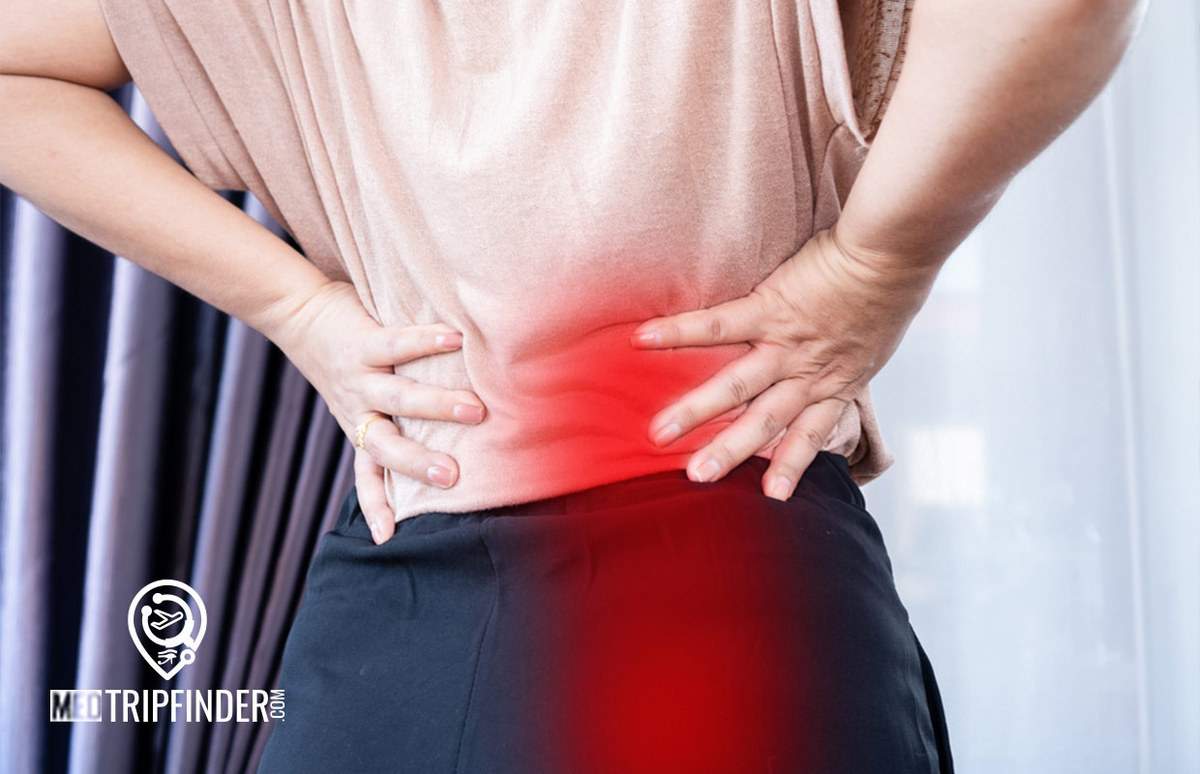
Herniated disc and sciatica are among the most common conditions affecting the spine, causing severe pain and difficulty moving. These conditions can significantly impact quality of life, making effective treatment essential. In this article, we will discuss in detail the treatment methods for herniated discs and sciatica after understanding their causes and symptoms.
What is a herniated disc? And what are its causes?
A herniated disc occurs when the intervertebral disc, located between the vertebrae of the spine, ruptures, causing part of the gel-like material inside to protrude. This pressure on surrounding nerves can cause sharp pain and numbness in the affected areas. A herniated disc can occur in any part of the spine, but it is most common in the lumbar (lower back) and cervical (neck) regions.
Several causes can lead to a herniated disc, including:
• Aging: Discs lose water content over time, becoming less flexible and more prone to tearing.
• Physical strain: Lifting heavy objects or bending improperly increases pressure on discs.
• Injuries: Accidents or sports injuries may cause a disc herniation.
• Obesity: Excess weight adds pressure on the spine.
• Poor posture: Sitting or standing incorrectly for long periods puts extra pressure on the spine, increasing the risk of a slipped disc.
• Unhealthy lifestyle: Lack of exercise, smoking, and a sedentary lifestyle can lead to weakened muscles that support the spine, increasing the risk of a slipped disc.
• Genetic factors: Some people are more prone to herniated discs due to inherited traits affecting disc strength.
Types of herniated discs
• Lumbar herniated disc: It occurs in the lower back and is most common, often causing leg pain (sciatica).
• Cervical herniated disc: It occurs in the neck, causing pain and numbness in the arms and hands.
• Thoracic herniated disc: It is rare and occurs in the upper back.
Symptoms of a herniated disc
Symptoms of a herniated disc vary depending on the location of the herniation, and may include:
• Severe back pain (most common symptom)
• Numbness or tingling in limbs
• Muscle weakness in affected areas, which may lead to difficulty in movement
• Pain during movement, especially bending or lifting objects
Treatment of a herniated disc
Treatment options for a herniated disc depend on the severity of symptoms and their impact on daily life. Common treatment options include:
1- Non-surgical treatment of a herniated disc:
Fortunately, many cases can be treated without surgery using conservative treatment and non-invasive options such as:
• Rest:
o Adequate rest during the first days of pain
• Medications:
o Pain relievers to reduce pain
o Muscle relaxants to reduce spasms
o Anti-inflammatory drugs to reduce inflammation
o Steroids, in some cases, can quickly reduce inflammation
• Physical therapy:
o Muscle strengthening exercises to support the spine by building strong supporting muscles
o Flexibility exercises to improve joint movement and reduce muscle tension
o Heat and cold therapy reduce pain and swelling
o Manual therapy to adjust the spine and improve mobility
• Injections:
o Corticosteroid injections to reduce inflammation and pain
o PRP injections to stimulate the natural healing process
• Interventional Treatment
o Radiofrequency therapy: Targets affected nerves to relieve pain
• Acupuncture:
o Stimulates energy points to relieve pain
• Other techniques:
o Spinal traction gently relieves nerve pressure
o Laser therapy reduces inflammation and promotes healing
2- Surgical Treatment
• Discectomy: Removal of the herniated part of the disc in severe cases that do not respond to conservative treatment
• Spinal fusion: In some cases, vertebral fusion may be necessary to stabilize the affected area.
Factors affecting the choice of treatment type
• Severity of pain: Severe and chronic pain may require stronger medical intervention.
• Degree of nerve compression: If the herniated disc presses on nerves, surgery may be necessary.
• Age and general health: The patient’s overall health and age influence treatment selection.
• Daily function: The patient’s job and daily activities play an important role in choosing treatment.
Duration of herniated disc treatment
The treatment duration depends on several factors, such as injury severity, the type of treatment applied, and the body’s response. It may range from a few weeks to several months.
Treatment of cervical herniated disc
Treatment for a cervical disc herniation involves a combination of medication and physical therapy to improve symptoms and strengthen the muscles supporting the neck. In severe cases, surgical intervention may be necessary.
Hand numbness caused by a herniated disc can be treated with physical therapy (stretching exercises) and medications that relieve nerve pressure. In some cases, surgery may be needed to improve blood flow and reduce nerve compression.
Treatment of lumbar herniated disc
Treatment for a herniated disc in the back includes various techniques such as medication, physical therapy, wearing a back support belt, and surgical intervention in advanced cases. Therapeutic exercises play an important role in improving symptoms and strengthening supporting muscles.
Physical therapy for a lumbar herniated disc includes strengthening and stretching exercises to improve flexibility and reduce nerve pressure. It also involves core-strengthening and stabilization exercises that help reduce pain and improve movement.
What is sciatica?
Sciatica is a medical condition caused by pressure or irritation of the sciatic nerve, the longest nerve in the body, extending from the lower back through the buttocks down to the legs. The pain is typically sharp and may be accompanied by numbness or weakness in the affected leg. It can occur for several reasons and affects both men and women.
Causes of sciatica
• Herniated disc: The most common cause, where part of the disc presses on the sciatic nerve.
• Spinal stenosis: Narrowing of the spinal canal compresses the sciatic nerve.
• Injuries: Back or pelvic injuries causing sciatic nerve pressure.
• Bone spurs: Bony growths may grow and put pressure on the sciatic nerve.
• Arthritis: Inflammation in the spine can lead to nerve compression.
• Aging: As we age, the membranes covering the intervertebral discs lose their elasticity, which can lead to them wearing down, tearing, and some of them slipping.
Symptoms of sciatica
• Sharp lower back pain radiating to the buttocks and leg
• Numbness or weakness in the leg, which can affect the ability to walk
• Pain worsens with prolonged sitting
• Difficulty moving, standing, or walking
• Leg muscle weakness
• Pain when sneezing or coughing
Is there a difference between sciatica symptoms in men and women?
In general, the symptoms of sciatica are similar between men and women, but there are some slight differences between the sexes based on anatomical differences and hormonal changes. The differences between sciatica symptoms in men and sciatica symptoms in women include:
Pain location and intensity:
• Men: Sciatica may affect men more severely, impacting movement and work ability. Symptoms can sometimes be more intense in the lower back and legs, and may even extend to the toes.
• Women: The pain may be more pronounced in the hip and buttocks area, and may be less sharp in the leg compared to men.
Causes:
• Men: Heavy lifting and repetitive bending.
• Women: Pregnancy due to added pressure on the sciatic nerve.
Hormonal changes:
• Men: Hormones play a smaller role.
• Women: Hormonal changes during pregnancy or menstruation may increase sciatic nerve sensitivity and worsen symptoms.
Pain response:
• Men: They may tolerate pain more but show greater movement limitations
• Women: They are more sensitive to pain but often more adaptable
Symptoms of sciatica in the right leg
If sciatica affects the right leg, symptoms may include:
• Pain from lower back to right leg (sharp and persistent)
• Numbness and weakness in the right leg
• Difficulty walking or standing as a result of pain and weakness in the affected leg
• Burning sensation in the lower leg
Risks of sciatica
Sciatica is usually a temporary condition that can be effectively treated. However, if it is not treated properly or if the condition is severe, more serious complications may arise.
Complications vary depending on the severity of the condition and the extent of pressure on the sciatic nerve. Risks of sciatica include:
• Increased pain and mobility problems
• Muscle weakness in the affected leg
• Loss of mobility in severe cases
• Nerve inflammation
• Permanent nerve damage (rare)
• Loss of bowel or bladder control (very rare)
Treatment of sciatica
• Medications: Pain relievers and anti-inflammatory drugs
• Physical therapy: To improve flexibility and strengthen muscles
• Exercises: To relieve pressure on the nerve
• Radiofrequency therapy: Targets nerves to reduce pain
• Surgery: Surgical intervention may be necessary in severe cases
Treatment of lumbar disc herniation and sciatica
The treatment protocols for lumbar disc herniation and sciatica are similar, as sciatica is a condition resulting from a lumbar disc herniation. Treatment includes medication, therapeutic exercises, and physical therapy to relieve pressure on the sciatic nerve and improve symptoms.
Sciatica exercises
Sciatica exercises include stretching, core strengthening, and stability exercises to reduce pain and improve movement.
Physical therapy exercises play a vital role in relieving sciatica pain and strengthening back and leg muscles. These exercises help reduce pressure on the sciatic nerve and improve flexibility and muscle strength. However, before starting any exercise program, it is advisable to consult a doctor or physical therapist to determine the exercises appropriate for your specific health condition.
Benefits of sciatica exercises
• Strengthen muscles and support the spine
• Reduce pressure on the intervertebral discs
• Increase flexibility
• Improve blood circulation
• Enhance balance
• Improve body awareness
Examples of effective sciatica exercises
Stretching exercises:
• Sit on the floor, extend your leg forward, and try to touch your toes
• Lie on your back, raise one leg, place your ankle on the other knee, and pull the knee towards your chest
Core strengthening:
• Plank position on elbows and toes
• Lie on your back and raise your legs alternately or together
Back strengthening:
• Lie on your stomach and lift your arms and legs together
• Lie on your back and lift your hips off the ground
Leg strengthening:
• Stand on toes and lift heels
• Walk on heels and toes alternately
Important tips during sciatica exercises
• Regularity: Exercises should be done regularly to achieve the best results.
• Listen to your body: Stop exercising if you feel any severe pain.
• Gradual progression: Start with simple exercises and gradually increase their intensity.
• Deep breathing: Slow, deep breathing helps to relax and reduce stress.
Permanent relief from sciatica
Completely eliminating sciatica requires a comprehensive treatment program that includes exercise, physical therapy, and possibly surgery in advanced cases. It is essential to follow your doctor's instructions and adhere to the exercise regimen to ensure the pain does not return.
Is walking beneficial for a sciatica patient?
Yes, walking can be beneficial for sciatica sufferers, as it helps improve blood circulation and strengthen the muscles surrounding the spine. However, walking should be avoided if it increases pain.
Foods to avoid with sciatica
Foods that sciatica patients should avoid include:
• Sugary and high-fat foods (increase inflammation)
• Salty foods (cause fluid retention and worsen pain)
Signs of recovery from sciatica
• Reduced pain in the back and leg
• Improved mobility
• Disappearance of numbness and weakness, and restoration of normal strength to the affected leg
Conclusion
A herniated disc and sciatica can significantly impact daily life, but there are many treatments available that can help relieve symptoms and improve quality of life. Early diagnosis and following an appropriate treatment plan are important for achieving the best results.
Other Operations
Trigeminal Nerve Treatment
Trigeminal neuralgia is one of the most painful medical conditions that require rapid medical intervention to control the pain and improve quality of life.
Fibromyalgia Treatment
Symptoms of fibromyalgia can be managed with medications, physical therapy, injections, lifestyle changes improving symptoms, sleep, and quality of life.