


Table of Content
Main symptoms of prostate enlargementWhat is prostate vaporization?Reasons for choosing prostate vaporizationTypes of prostate vaporizationHow is prostate vaporization performed?Advantages of prostate vaporizationDisadvantages and possible complications of prostate vaporizationRecovery time after the procedureHow long does prostate vaporization take?Cost of prostate vaporization in Egypt (2025)Important tips before and after the procedureFrequently Asked Questions
Prostate Vaporization
We work hard to create an exceptional experience for you during your treatment in Egypt. When you book through our website, you will receive a distinguished medical service inside Egypt. In your medical journey, we will provide you with tourism and entertainment services as well.
Prostate Vaporization
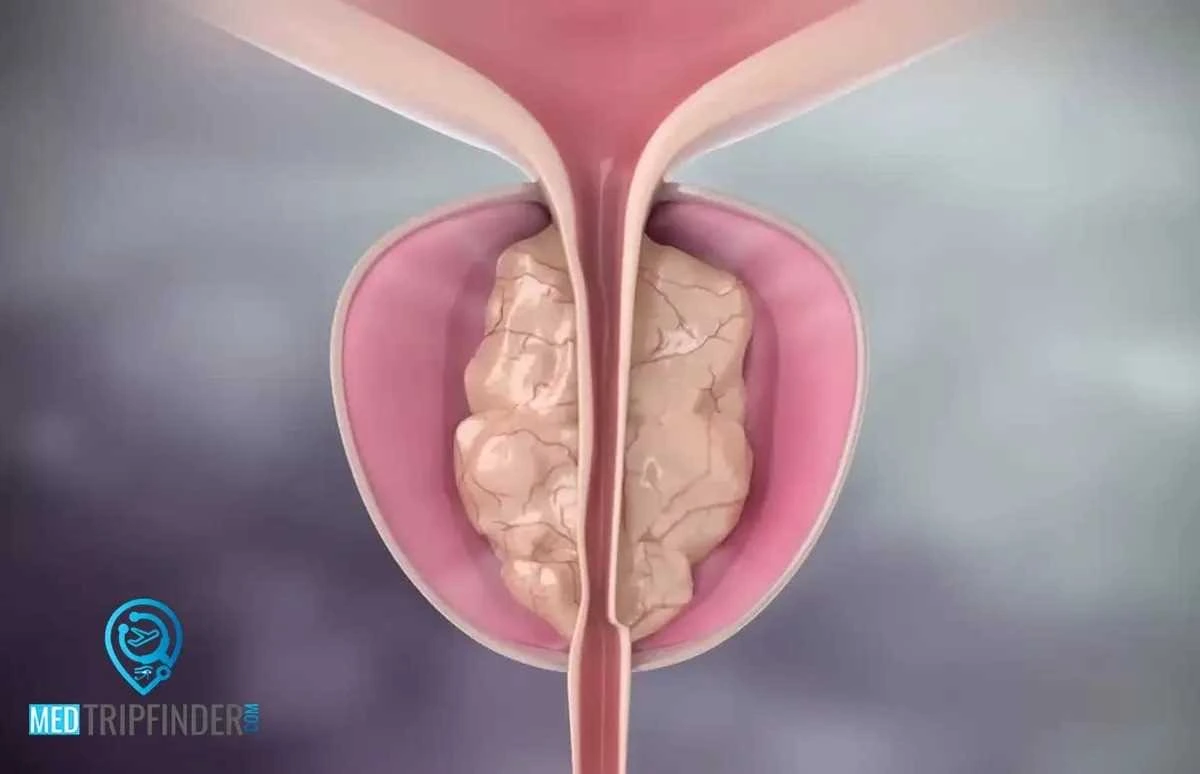
Benign prostatic hyperplasia (BPH) is one of the most common problems among men over the age of fifty. The enlargement puts pressure on the urethra, leading to weak urine flow, frequent urination, and difficulty completely emptying the bladder.
Laser prostate vaporization is considered one of the latest techniques for treating enlargement without open surgery, with minimal pain and a short recovery time.
Main symptoms of prostate enlargement:
• Weak urine stream
• Intermittent urination
• Frequent urination, especially at night
• Feeling of incomplete bladder emptying
• Sudden and urgent need to urinate
What is prostate vaporization?
Prostate vaporization is an advanced therapeutic procedure used to treat benign prostatic hyperplasia (BPH). It works by directing high thermal energy—whether laser, plasma, or water vapor—into the enlarged tissue to vaporize and remove it without incisions.
The procedure is performed entirely through a thin endoscope inserted via the urethra, making prostate vaporization one of the safest and most effective treatments with a short recovery period.
Reasons for choosing prostate vaporization
Doctors recommend prostate vaporization when symptoms begin to affect quality of life or when medication fails to provide improvement.
Main indications include:
• Recurrent urinary retention
• Significantly weak urine flow
• Prostate enlargement causing strong pressure on the urethra
• Frequent nighttime urination affecting sleep
• Urinary tract infections due to incomplete emptying
Types of prostate vaporization
The technique varies depending on the device used and the patient’s condition:
1) Laser vaporization
It is one of the most common modern methods, using a high-energy laser to precisely vaporize enlarged tissue. It causes the least bleeding and allows the fastest recovery.
2) Plasma vaporization (PVP)
It uses high-temperature plasma energy to remove enlarged tissue. It offers quick recovery and catheter removal within 24–48 hours.
3) Prostate vaporization with water vapor (Rezum)
It is a modern technique that injects pressurized water vapor to destroy enlarged cells. The procedure takes only 5–10 minutes.
4) Thermal vaporization (TURP vaporization)
It uses a heated electrical loop to vaporize tissue and is associated with less bleeding than traditional surgery.
How is prostate vaporization performed?
Before the procedure
• Performing blood tests and kidney function tests
• Prostate ultrasound examination
• Discontinue blood-thinning medications if necessary
• Assessing the general health condition before anesthesia
During the procedure
The procedure is performed using an endoscope inserted through the urethra Then the doctor uses the appropriate type of energy according to the selected technique to remove the enlarged part of the prostate.
After the procedure
The patient remains under observation for several hours, and a urinary catheter is inserted for a short period, usually only 24–48 hours.
Advantages of prostate vaporization
• No surgical incision
• Very limited bleeding
• Short recovery period
• Immediate improvement in urine flow
• Excellent results for elderly patients and those with chronic diseases
• Less impact on erectile function compared to traditional surgery
Disadvantages and possible complications of prostate vaporization
Complications are usually temporary and may include:
• Burning sensation during urination for a few days
• Mild blood in urine
• Temporary increase in urination frequency
• Mild infections responsive to antibiotics
• Temporary erectile weakness in some cases
Recovery time after the procedure
The patient returns to normal life within 3–5 days, while gradual improvement in symptoms continues for two to four weeks.
How long does prostate vaporization take?
The procedure usually takes 30 to 60 minutes, depending on the technique used and the size of the prostate.
Cost of prostate vaporization in Egypt (2025)
The cost varies depending on several factors, including:
• The technique used (laser – plasma – water vapor – thermal)
• Surgeon’s experience
• Hospital and operating room level
• Anesthesia and hospital stay costs
The average cost of prostate vaporization in Egypt in 2025 ranges between $800 – $1,000 USD.
Important tips before and after the procedure
• Drink plenty of water after the procedure
• Avoid lifting weights for two weeks
• Abstain from sexual intercourse for 10–14 days
• Follow prescribed medications carefully
• Attend regular follow-up appointments
Frequently Asked Questions
Does prostate vaporization affect erections?
The effect is rare and usually temporary if it occurs.
Is the procedure suitable for elderly patients?
Yes, since it does not require open surgery and is considered very safe.
Do I need to stay in the hospital?
In most cases, patients are discharged the same day.
When can I return to work?
Usually within 3–5 days.
Other Operations
Laser Treatment for BPH
It is a non-surgical and effective procedure to improve the symptoms of BPH using laser energy to vaporize the enlarged prostate in a safe and effective way.
Robotic Prostatectomy
Prostate removal is performed using robotic surgery in cases of prostate tumors, to get rid of cancerous cells safely and effectively.
Thulium Laser Prostate Treatment
Thulium laser technology is the latest in treating BPH, without experiencing any of the complications of other procedures.
Prostatectomy
Prostatectomy, whether total or partial, is one of the most common procedures for treating prostate cancer, BPH, or even chronic cases of prostatitis.