


Table of Content
What is the hydraulic implant?How does the hydraulic implant work?Types of hydraulic implantsThe difference between the two-piece and the three-piece hydraulic implantHydraulic vs. malleable implantsWhen do doctors recommend a hydraulic implant?Advantages of the hydraulic implantDisadvantages of the hydraulic implantWhich is better malleable or hydraulic implant?Hydraulic implant procedurePreoperative hydraulic penile implant instructionsWhat are the steps of hydraulic implant surgery?What are the risks of hydraulic implant surgery?Post-operative tips after hydraulic implant surgerySuccess rate of hydraulic implant surgeryMy experience with the hydraulic implantBest doctor for hydraulic implant surgeryCost of the hydraulic implantConclusion
Hydraulic Implants
We work hard to create an exceptional experience for you during your treatment in Egypt. When you book through our website, you will receive a distinguished medical service inside Egypt. In your medical journey, we will provide you with tourism and entertainment services as well.
Hydraulic Implants
The hydraulic implant is one of the advanced techniques used to treat chronic erectile dysfunction in men. This implant helps men control their erections thanks to a pumping mechanism that allows for flexible use. In this article, we review the steps of the hydraulic implant procedure, its advantages and disadvantages, and the guidelines that must be followed to ensure a successful procedure.
What is the hydraulic implant?
The hydraulic implant is one of the best medical solutions for treating severe erectile dysfunction, helping men who have not achieved positive results with medication to regain the ability to achieve a natural erection. These implants provide an advanced mechanism for controlling erections, making them a preferred option for many men suffering from sexual dysfunction.
The hydraulic implant for erectile dysfunction is one of the best available solutions because it allows the man full control over the erection, without being constantly rigid like malleable implants. The hydraulic implant provides a safe and long-term solution for men experiencing erectile dysfunction due to physical problems or previous surgeries.
The hydraulic penile implant works by transferring fluid from a small reservoir inside the body to the implant placed in the penis, resulting in a natural erection. This mechanism makes the hydraulic implant preferred by many because it provides an erection similar to a natural one and allows the man to control the situation after finishing sexual intercourse.
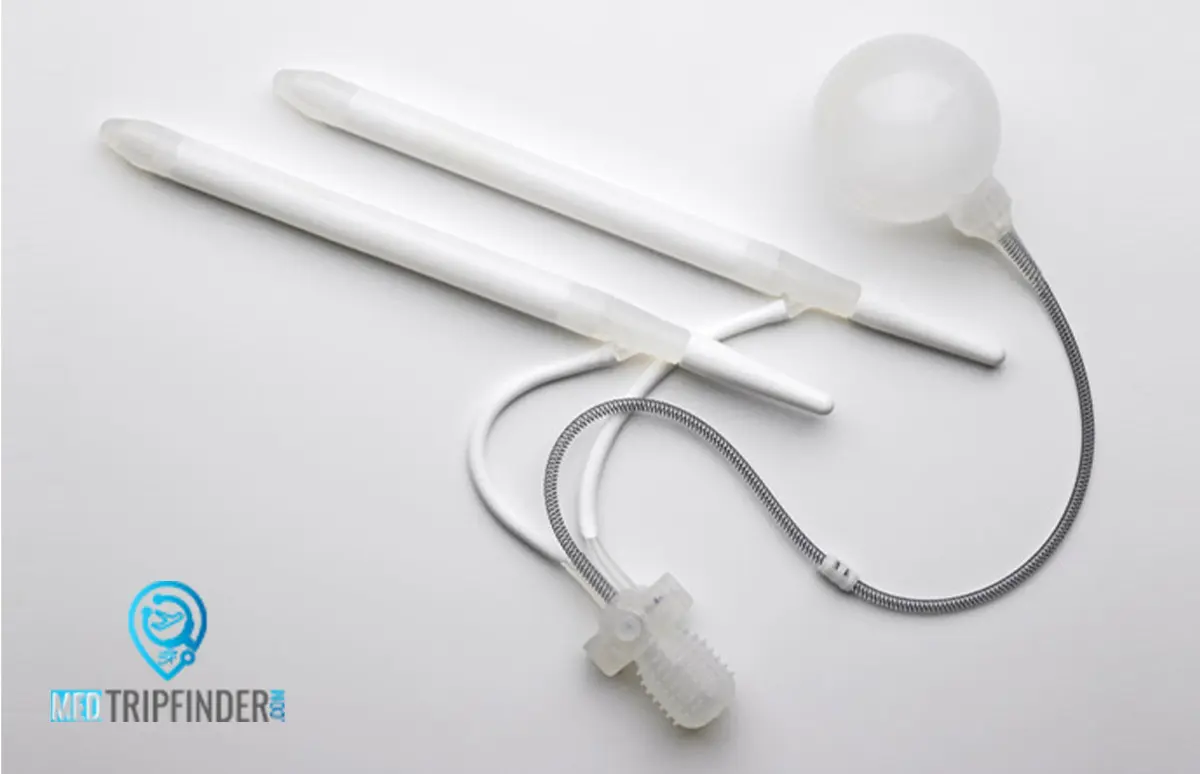
The hydraulic penile implant is an ideal option for those suffering from chronic erectile dysfunction. It consists of flexible tubes implanted inside the penis, and the patient uses a pump to infuse the implant with fluid, resulting in a firm and natural erection. After intercourse, the fluid can be released, allowing the penis to return to its normal state.
The hydraulic penile implant is designed to provide a firm, natural-looking erection, allowing the patient to control the transition from flaccid to fully erect state as needed. This implant is the ideal solution for men who suffer from persistent physical problems that prevent them from achieving a natural erection.
How does the hydraulic implant work?
The hydraulic implant works through a small pump implanted in the scrotum. The patient presses the pump to move fluid from the reservoir to the tube inside the implant, leading to an erection of the penis. After intercourse, the patient releases the pump, allowing the fluid to return to the reservoir, and the penis returns to its normal state. This design gives men greater flexibility and control over their erection ability.
Types of hydraulic implants
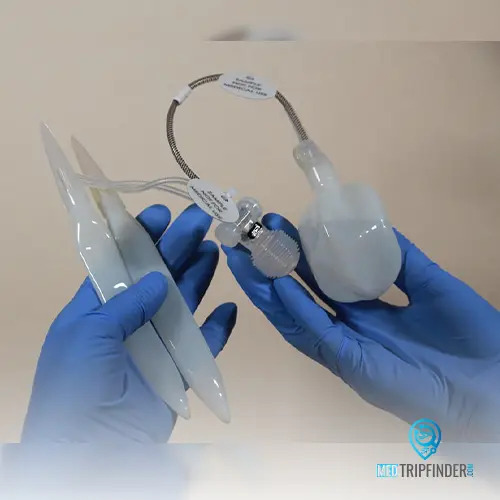
Several types of hydraulic implants differ according to design and mechanism, and the appropriate type is chosen based on the patient’s needs and the doctor’s recommendations:
• Two-piece hydraulic implant: consists of two main parts: the pump and the cylinders implanted in the penis. It provides good flexibility with fewer implanted parts, making it less complex.
• Three-piece hydraulic implant: consists of three parts: cylinders, pump, and fluid reservoir. It allows more control over erection size and is a common option due to its ability to achieve a high percentage of natural-looking erections.
The difference between the two-piece and the three-piece hydraulic implant
The two-piece hydraulic implant consists of a pump and a reservoir integrated into one unit with the implanted cylinders, making it simpler and faster to insert compared to the three-piece implant. It provides good control of erection but may be less flexible than the three-piece implant.
On the other hand, the three-piece hydraulic implant includes a separate reservoir implanted in the abdominal area, which increases fluid capacity and control over erection. It provides a more natural appearance of the penis during erection and is suitable for men who require full control over erection and relaxation.
Hydraulic vs. malleable implants
The hydraulic implant differs from rigid and malleable implants in that it contains a pumpable fluid system, giving it greater flexibility and better control over the timing and occurrence of erection. It is implanted through a precise surgical procedure requiring a specialized medical team. The implant is placed in the penis, and a small pump is connected in the scrotal area to control fluid movement.
When do doctors recommend a hydraulic implant?
Doctors resort to hydraulic implant surgery in several cases, including:
• Failure of drug treatments such as Viagra.
• Chronic erectile dysfunction, where erection becomes difficult or impossible due to permanent organic causes.
• Cases resulting from surgery or injury, such as pelvic surgeries affecting the erection.
• Diseases such as diabetes, where nerve or vascular damage causes chronic erectile dysfunction.
Advantages of the hydraulic implant
The hydraulic penile implant has several advantages that make it a popular option for treating erectile dysfunction, such as:
• Complete control over erection: It allows the patient to control the timing and state of the erection.
• Natural appearance: It provides a natural-looking erection due to the pumping mechanism.
• Complete comfort: It allows erection only when needed, making it suitable for various situations.
• Long lifespan: It has high durability and the ability to function reliably for many years without issues.
Disadvantages of the hydraulic implant
Despite its advantages, there are some disadvantages to the hydraulic implant that should be taken into consideration:
• Higher cost compared to malleable implants.
• Possible fluid leakage requiring maintenance or replacement.
• The need for precise surgical implantation.
• Surgical risks such as infection and bleeding.
Which is better: malleable or hydraulic implant?
The choice between implanting a malleable or hydraulic penile implant depends on several factors:
• Control: The hydraulic implant provides better control over erection, as it can be activated and deactivated as needed, unlike a malleable implant, which remains rigid.
• Appearance: The hydraulic implant looks more natural in both flaccid and erect states.
• Comfort: The hydraulic implant is more comfortable in daily life.
• Cost: The malleable implant is less expensive than the hydraulic implant.
Therefore, a hydraulic penile implant is an ideal option for those seeking complete and natural control over erections, while a malleable implant is suitable for those who want a more stable and less expensive solution.
Hydraulic implant procedure
The hydraulic implant is inserted through a precise surgical procedure, depending on the surgeon’s skill and experience. It is a safe and effective procedure and requires a specialized medical team. The procedure usually takes between one and two hours. The patient can often go home the same day. Some exceptions require longer hospital observation.
Preoperative hydraulic penile implant instructions
The procedure for implanting a hydraulic implant requires certain preparations and procedures to help ensure the success of the procedure and avoid complications, including:
• Medical examinations: Blood tests and imaging are performed to assess the patient's health.
• Discussing the options: The doctor discusses the available options with the patient to ensure that the appropriate implant is chosen.
• Stopping medications: The patient may be asked to stop taking certain medications, such as blood thinners, to reduce the risk of bleeding.
• Fasting: The patient is required to refrain from food and drink for a period of 6-8 hours before the procedure.
• Avoid smoking: It is advisable to stop smoking some time before surgery to improve healing.
What are the steps of hydraulic implant surgery?
The hydraulic implant procedure goes through several steps, starting from preparation to implantation and follow-up:
1. Anesthesia: General or spinal anesthesia is used depending on the patient’s condition and the doctor’s recommendation.
2. Surgical incision: A small incision is made near the base of the penis to access it.
3. Implant placement: The hydraulic implant tubes are inserted into the penis and connected to a small reservoir in the abdomen or scrotum.
4. Pump placement: A pump is implanted in the scrotum, allowing the patient to control fluid movement to and from the implant.
5. Closure: The incision is closed with surgical sutures and covered with sterile dressings.
What are the risks of hydraulic implant surgery?
Some complications of hydraulic penile implant surgery that should be considered include:
• Bleeding during the procedure: Bleeding may occur and requires immediate medical attention.
• Infection: An infection may occur at the implant site, requiring the use of antibiotics or additional medical intervention.
• Swelling and pain: Mild swelling and pain are normal after surgery, but if they persist for a long time, a doctor should be consulted.
• Body rejection of the implant: The body may reject the implant as a foreign object, requiring its removal.
• Implant deviation: A slight deviation in the position of the implant may occur.
• Pump leakage or damage: The pump may become damaged or leak over time, which may require corrective surgery.
• Tissue fibrosis: In rare cases, fibrosis may occur around the implant, which may affect the flexibility of the organ.
Post-operative tips after hydraulic implant surgery
To ensure a quick and safe recovery after implantation of a hydraulic penile implant, it is advisable to follow some medical guidelines, which are:
• Rest: Avoid strenuous activity for two weeks.
• Cold compresses: Help reduce swelling in the first days.
• Medications: Take anti-inflammatory drugs and painkillers.
• Avoid intercourse: Refrain for 4–6 weeks.
• Follow-up: Attend all medical appointments to assess the success of the procedure and ensure the stability of the implant.
Success rate of hydraulic implant surgery
The success rate of penile implant surgery exceeds 95%, making it one of the most effective solutions for treating erectile dysfunction. This implant provides long-lasting results and contributes to improving the lives of men suffering from chronic erectile dysfunction.
My experience with the hydraulic implant
A Medtripfinder client says:
“After a long struggle with erectile dysfunction and trying many medications without satisfactory results, I decided to consult a doctor specializing in andrology. Medtripfinder arranged all my appointments. After evaluation, the doctor recommended a hydraulic implant as a final solution. The surgery was successful, and recovery took about 4–6 weeks. Now I can control my erection naturally, and my confidence in my marital life has greatly improved.”
Best doctor for hydraulic implant surgery
When selecting the best doctor for hydraulic implant surgery, it is recommended to consider experience in urology and penile implant surgeries, with a strong track record and positive patient reviews.
Cost of the hydraulic implant
The cost of a hydraulic penile implant varies depending on several factors, such as implant type (two-piece or three-piece), surgeon experience, and hospital. Egypt is considered one of the more affordable countries in the region while maintaining high-quality care and advanced techniques.
The total cost typically includes surgeon fees, medical team costs, implant price, preoperative tests, medications, hospital stay, and follow-up care.
Conclusion
The hydraulic implant is an effective solution for men with chronic erectile dysfunction, providing full control over erection through an advanced pumping system. With proper medical consultation and choosing the right type, patients can regain confidence and achieve a stable and satisfying marital life.
Other Operations
Penile Implant Surgery
Penile implant surgery safely restores erectile function when other treatments fail, improving confidence and sexual performance.
Azoospermia Treatment
Azoospermia is treatable with accurate diagnosis, targeted therapy, and advanced techniques improving fertility chances.
Malleable Implants
Malleable implants provide a simple permanent solution for erectile dysfunction with ease, reliability, and minimal maintenance.
Treatment of Erectile Dysfunction
Erectile dysfunction is treated through tailored options including medications, devices, implants, and accurate diagnostic testing