

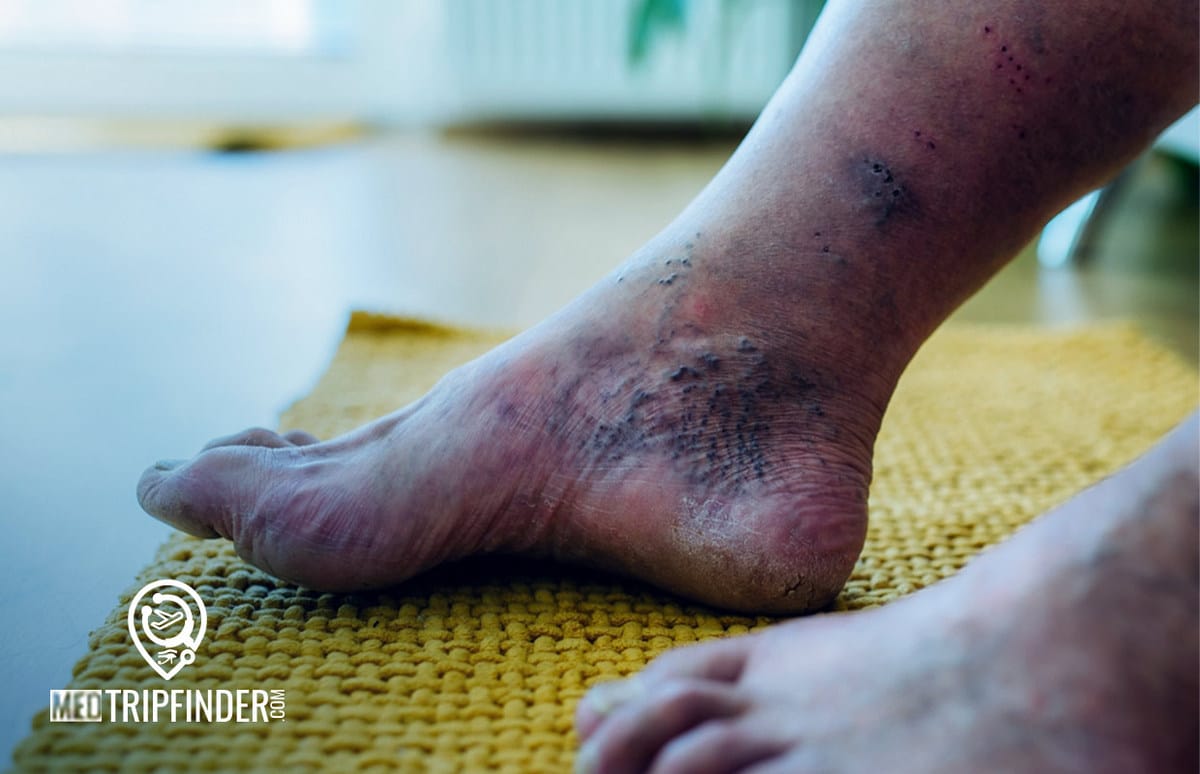

Table of Content
What is diabetic foot?What are the causes of diabetic foot?How does diabetic foot begin?Symptoms of diabetic footStages of diabetic footWhat are the causes of foot numbness in diabetic patients and its treatment?What is the treatment for toe inflammation in diabetic patients?What is the proper method for dressing a diabetic foot wound?Foot gangrene (Blackened foot) in diabetic patientsWhen do doctors resort to amputating a diabetic foot?Does diabetic foot lead to death?Is there a treatment for diabetic foot without amputation?Prevention of diabetic footThe best diabetic foot doctor and specialized centersWhy is Egypt a leading destination for medical tourism for diabetic foot patients?
Diabetic Foot Treatment
We work hard to create an exceptional experience for you during your treatment in Egypt. When you book through our website, you will receive a distinguished medical service inside Egypt. In your medical journey, we will provide you with tourism and entertainment services as well.
Diabetic Foot Treatment
Diabetic foot disease is a serious condition that requires early observation and follow-up. Early detection can help avoid many complications, such as bacterial infection, gangrene, fungal infections of the diabetic foot, and amputation, which must be avoided.
What is diabetic foot?
Diabetic foot is a complication of diabetes. High blood glucose levels can lead to peripheral nerve damage, resulting in numbness and reduced sensation in the feet. As a result, patients may experience cuts or injuries without feeling pain, leaving wounds untreated and vulnerable to infection.
Diabetes can also weaken blood circulation, reducing the flow of blood carrying immune cells and white blood cells to the extremities. When an infection occurs, the risk of sepsis and tissue breakdown in the foot increases.
Many diabetic patients may not realize the importance of regular foot examination and monitoring, even though it helps prevent serious complications. The symptoms of diabetic foot are gradual and begin slightly and may not be noticeable, especially when patients are unaware of the early signs. This lack of awareness can lead to rapid deterioration in diabetic foot patients who do not undergo regular check-ups with a vascular specialist.
What are the causes of diabetic foot?
• High blood glucose levels and poor diabetes control
• Nerve damage
• Foot injuries or wounds
• Peripheral vascular disease
Causes of foot swelling in diabetic patients
It is also known as “swollen diabetic foot.” This occurs due to high blood glucose levels affecting the lining of blood vessels and disrupting blood flow to the extremities. As a result, fluid accumulates in the legs, leading to swelling.
Causes of fungal infections of the diabetic foot
Fungal infections in the diabetic foot occur due to high blood glucose levels, which cause dry and cracked skin, making it easier for infections to develop. Glucose creates a favorable environment for fungal growth, and without proper care, the body’s ability to resist fungal infections decreases.
Causes of diabetic foot ulcer
A diabetic foot ulcer is an open wound that appears on the surface or bottom of the foot. It may develop in diabetic patients who neglect proper foot care.
Approximately 15% of patients with diabetes may develop diabetic foot ulcers. The risk increases with age and poor blood glucose control.
How does diabetic foot begin?
The onset of diabetic foot manifests in some distinctive and well-known symptoms of diabetic foot, which include:
• Tingling and numbness in the feet. Treatment may include nerve-supporting vitamins and medications that improve blood flow to the extremities.
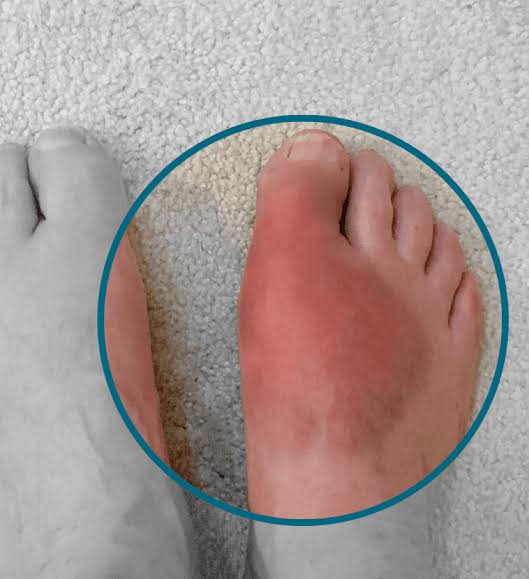
• Redness of the skin and increased foot temperature
• Extreme sensitivity, where the patient cannot tolerate even the weight of a blanket on their feet during sleep
• Reduced flexibility in the foot joints
• Muscle weakness
• Appearance of superficial blisters on the foot
Symptoms of diabetic foot
This image also shows clear signs of skin redness in a diabetic foot patient.
Stages of diabetic foot
Stage 1: Changes in foot color, thickening of the skin, and the appearance of small ulcers.
Stage 2: Ulcers spread across the toes and edges of the foot and become more severe.
Stage 3: Ulcers reach the bones, and the foot temperature increases due to infection.
Stage 4: Development of gangrene and tissue death.
Stage 5 (Final Stage): Gangrene spreads, infection may spread throughout the body, and amputation becomes necessary.
Diabetic foot ulcers can be treated through proper medical cleaning of the ulcer site and surgical dressing changes under the supervision of a specialist. This is important because untreated ulcers may progress into gangrene, which can eventually lead to amputation.
What are the causes of foot numbness in diabetic patients and its treatment?
Causes of foot numbness in diabetic patients
• Vitamin B deficiency
• Hypertension
• Elevated triglyceride levels
• Smoking
• Alcohol consumption
• Liver or kidney diseases
Treatment for foot numbness in diabetic patients
• Perform daily foot examinations. If you notice changes in color or the appearance of blisters, consult a doctor immediately.
• Maintain good foot and nail hygiene.
• Wear appropriate medical footwear designed for diabetic foot care.
What is the treatment for toe inflammation in diabetic patients?
• Clean the wound and drain any fluids present in the affected toe.
• Apply special dressings and topical ointments to absorb fluids and reduce inflammation more quickly.
• Take antibiotics (oral or intravenous) to treat the infection causing the inflammation.
What is the proper method for dressing a diabetic foot wound?
• Clean the wound daily with soap and water, then dry the area thoroughly to promote faster healing.
• Cover the wound with a special medical dressing and change it daily.
• Apply antibacterial ointments regularly.
• Wear special footwear to avoid putting pressure on the wound.
• Maintain controlled blood glucose levels through daily monitoring to promote faster healing.
With proper care, diabetic foot wounds will heal quickly without complications. A study conducted in 2017 on 105 patients showed that the average healing time for diabetic foot wounds is about 75 days. Other studies indicate that healing may be shorter than 75 days with the use of certain medications that promote faster recovery.
Foot gangrene (Blackened foot) in diabetic patients
If diabetic foot symptoms are left untreated, they may progress to foot gangrene, where the skin turns black. This indicates tissue death and infection, with pus spreading into the bloodstream, which can lead to serious systemic infection. Symptoms may include:
• High fever
• Breathing difficulties
• Damage to organs such as the kidneys
In such cases, foot amputation may become the only option to save the patient’s life.
Causes of foot gangrene
Gangrene occurs due to poor blood flow in peripheral blood vessels, causing blood stagnation. This creates a contaminated environment for bacteria that leads to tissue breakdown and the accumulation of fluids and gases in the blood, often forming bubbles.
Symptoms of foot gangrene
• Numbness and tingling in the foot
• Blood-filled blisters
• Foul odor with pus discharge
• Skin discoloration (redness or blackening in advanced stages)
If the skin color gradually changes from red to darker shades, you should consult a vascular specialist as soon as possible to avoid serious diabetic foot complications.
Treatment of toe gangrene
• Taking appropriate antibiotics to control the spread of infection
• Cleaning the site of gangrene and surgically removing dead tissue
• High-pressure oxygen therapy
If treatment fails, doctors may need to amputate the affected toe.
When do doctors resort to amputating a diabetic foot?
Amputation may be partial or total, and sometimes repeated if infections recur. It is one of the biggest concerns for diabetic foot patients.
Doctors may recommend amputation in cases of:
• Severe nerve damage in the feet
• Uncontrolled high blood glucose levels
• High blood pressure
• Poor blood circulation to the foot
• Skin discoloration
• Smoking
• Previous history of amputation
Effects of diabetic foot amputation
After amputation, patients may experience both physical and psychological challenges, including:
• Nerve pain
• Phantom limb pain
• Feelings of sadness, depression, and frustration
• In some severe cases, suicidal thoughts
Therefore, psychological support before and after amputation is extremely important.
Once the patient’s condition stabilizes, the amputated limb can often be replaced with a prosthetic limb under medical supervision.
Does diabetic foot lead to death?
If an infection from a diabetic foot spreads into the bloodstream, it can cause blood poisoning and failure of the body’s vital functions. This may lead to a chain of complications such as severe dehydration, high fever, respiratory failure, and eventually death.
Is there a treatment for diabetic foot without amputation?
Yes, reaching this stage can often be prevented through proper preventive measures, early treatment, and strict adherence to prescribed antibiotics when infections occur.
Although amputation is a difficult decision, it may be necessary to save the patient’s life in severe cases.
Prevention of diabetic foot
Many people ask: How can I protect myself from diabetic foot?
Here is a comprehensive guide to prevention:
• Control blood glucose levels through daily monitoring and following a healthy diet low in sugars and refined carbohydrates.
• Check your feet daily for any changes.
• Maintain proper foot hygiene.
• Trim toenails carefully.
• Dry your feet well and moisturize them after bathing.
• Wear appropriate socks and comfortable shoes.
• Treat fungal infections between the toes and around the nails.
• Visit a vascular specialist regularly.
The best diabetic foot doctor and specialized centers
The best doctor for treating diabetic foot is a vascular specialist. MedTripFinder provides access to highly experienced vascular doctors who have treated many diabetic foot cases successfully. Patients can travel to Egypt for examination at specialized diabetic foot centers with experienced vascular specialists. Customer service will help you choose the most suitable doctor for diabetic foot treatment.
Why is Egypt a leading destination for medical tourism for diabetic foot patients?
Egypt is considered one of the best countries for medical tourism. Here are five reasons why Egypt is an excellent destination for diabetic foot treatment:
1. Specialized medical centers
• Egypt has many medical centers that perform essential tests for diabetic patients, including monitoring blood glucose levels, HbA1c levels, inflammatory parameters, hormonal and gland activity tests, and other important analyses and examinations to indicate the extent of control over diabetes and its response to medications, whether oral pills or insulin.
• Regular follow-up helps prevent diabetic foot complications, as patients are advised to adhere to instructions such as maintaining foot hygiene, wearing comfortable shoes, and treating minor wounds promptly.
• By following these instructions and the doctor's guidance, diabetic foot complications can be avoided, numbness in the feet of diabetic patients can be treated, and minor symptoms can be monitored from the outset.
• Regular exercise, a healthy diet, and consistent use of diabetes medications are also important. Diabetic foot blisters can be treated by wearing comfortable shoes and applying topical antibiotic ointments.
2. Highly skilled medical professionals
• When searching for diabetic foot specialist, it is important to note that diabetic care involves collaboration between several specialties, including internal medicine, endocrinology, vascular surgery, and clinical nutrition.
• These specialties work together to evaluate blood vessels, heart health, arteries, and peripheral nerves, all of which affect the patient’s overall condition, including activity levels, fatigue, and tingling symptoms.
• The key to managing diabetes is treating it as a lifestyle condition, requiring healthy habits and continuous follow-up with a specialized medical team.
• For diabetic foot cases specifically, vascular surgeons and plastic surgeons handle wound care and gangrene treatment. Egyptian doctors in this field are highly skilled and internationally recognized.
3. Affordable treatment costs
Egypt offers high-quality medical care at affordable prices, making treatment accessible to many patients while maintaining international medical standards.
This also allows patients to combine medical treatment with tourism experiences.
4. Easy online booking and consultation
Online booking services help simplify procedures. Through MedTripFinder, you can choose a diabetic foot doctor and even receive initial consultations via video call, allowing doctors to review your condition and recommend the appropriate treatment plan.
5. Attractive medical tourism packages
Egypt is famous for its historical landmarks, cultural heritage, coastal beaches, and entertainment destinations.
MedTripFinder offers integrated medical tourism packages across different Egyptian cities, combining treatment with enjoyable travel experiences.
Other Operations
Treatment of varicose veins
Complete guide to varicose vein treatment, procedures, recovery, risks, success rates, and patient experience.
Foot Artery Blockage
Blocked arteries in the legs are a serious health condition requiring immediate attention and appropriate medical intervention.