


Table of Content
What is foot artery blockage?Causes of foot artery blockageSymptoms of foot artery blockageComplications of foot artery blockageIs foot artery blockage dangerous?What is the difference between blocked arteries in the foot and narrowed veins in the foot?Diagnosis of foot artery blockageTreatment of foot artery blockageCost of foot artery blockage treatmentPrevention of foot artery blockageConclusion
Foot Artery Blockage
We work hard to create an exceptional experience for you during your treatment in Egypt. When you book through our website, you will receive a distinguished medical service inside Egypt. In your medical journey, we will provide you with tourism and entertainment services as well.
Foot Artery Blockage
What is foot artery blockage?
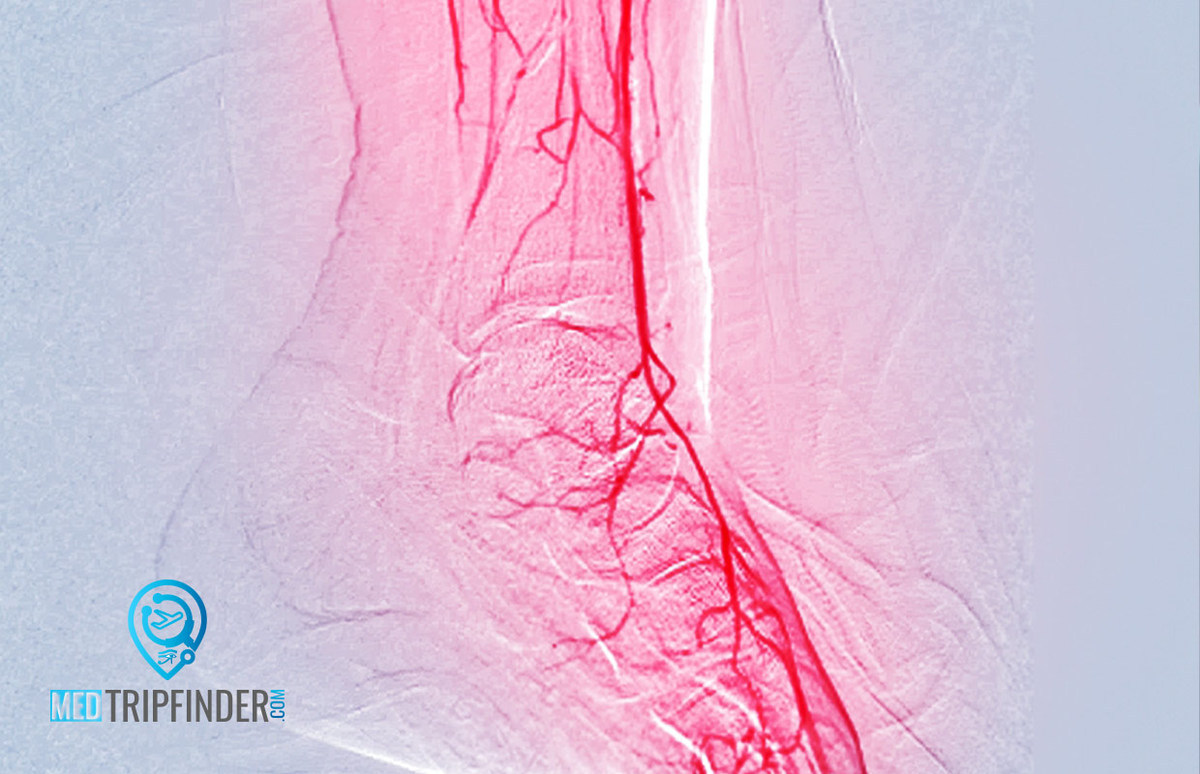
Foot artery blockage is a medical condition associated with peripheral artery disease (PAD) that occurs when fatty deposits, such as cholesterol, accumulate on the inner walls of the arteries that supply blood to the muscles of the lower limbs. These deposits narrow the arteries and restrict blood flow to the feet and legs, preventing adequate oxygen and nutrients from reaching the tissues, which leads to various symptoms and health problems.
Causes of foot artery blockage
Several factors can lead to blocked arteries in the foot, including:
• Atherosclerosis: The most common cause, where fatty deposits gradually build up in the arteries.
• Smoking: One of the main factors that significantly increases the risk of arterial blockage.
• High cholesterol: Hypercholesterolemia contributes to the accumulation of fatty deposits in arterial walls.
• Blood clots: A clot may form inside the artery and cause sudden blockage.
• Diabetes: Diabetes increases the risk of arterial damage and narrowing.
• Hypertension: High blood pressure puts pressure on artery walls and damages them over time.
• Arteritis: Arterial inflammation may narrow or block the arteries.
• Blood vessel injuries: Injuries to the leg or foot can damage arteries and lead to blockage.
• Obesity: Excess weight increases the risk of artery blockage.
• Genetic factors: A family history of cardiovascular diseases increases the risk.
Symptoms of foot artery blockage
Symptoms of blocked arteries in the leg vary depending on the severity of the blockage. Common symptoms include:
• Leg pain: Often severe during walking and relieved by rest; this is known as intermittent claudication.
• Weakness or numbness: Tingling or fatigue in the legs when walking short distances.
• Cold feet: The feet may feel colder than the rest of the body due to reduced blood flow to the extremities.
• Skin color changes: The skin may appear red, blue, or pale.
• Non-healing wounds or ulcers: Especially around the toes and ankles.
• Hair loss: Loss of hair on the toes and legs.
• Reduced sensation: Decreased feeling in the feet.
Symptoms of artery blockage in diabetic patients
People with diabetes are more likely to develop artery blockage in the feet. Symptoms may include:
• More severe and persistent pain and numbness
• Slow wound and ulcer healing
• Frequent foot infections due to poor blood flow
Complications of foot artery blockage
• Gangrene: Tissue death due to lack of blood supply, which may require amputation.
• Blood clots: A clot may form in the blocked artery and potentially affect other arteries.
• Heart attack or stroke: Blocked arteries in the foot may indicate vascular problems elsewhere in the body.
Is foot artery blockage dangerous?
Yes, it can be dangerous if left untreated because it may lead to serious complications such as:
• Gangrene, which may require foot amputation.
• Heart disease or heart attack, due to underlying vascular problems.
• Difficulty walking, caused by severe pain and numbness.
What is the difference between blocked arteries in the foot and narrowed veins in the foot?
The main difference between arterial blockage and venous narrowing in the foot lies in the type and function of the affected blood vessels:
• Foot artery blockage: It affects the arteries that carry oxygen-rich blood from the heart to the extremities. Symptoms often include pain when walking, skin color changes, and cold extremities.
• Foot vein narrowing: It affects the veins that return blood to the heart. Symptoms often include swelling, heaviness, and pain in the legs, especially after long periods of standing or sitting.
Because symptoms can be similar, consulting a specialist doctor is necessary for proper diagnosis and treatment.
Diagnosis of foot artery blockage
Blockage of the arteries in the foot is diagnosed through the following tests:
• Physical examination: Checking blood circulation and arterial pulses in the feet.
• Blood tests: Measuring cholesterol, blood sugar, and other contributing factors.
• Imaging tests: Such as ultrasound, MRI, or CT scans to evaluate the arteries and locate the blockage.
Treatment of foot artery blockage
Treatment for blocked arteries in the foot depends on the severity of the condition and the patient’s overall health. Options include:
1. Lifestyle changes: These include quitting smoking, following a healthy diet, exercising regularly, losing excess weight, and controlling other risk factors such as diabetes and hypertension.
2. Medications: Doctors may prescribe medications to improve blood flow, lower cholesterol, prevent blood clots, and dilate arteries.
3. Physical therapy: Specific exercises can help improve circulation and strengthen muscles, reducing symptoms.
4. Interventional radiology: Various interventional radiology techniques can be used to treat blocked arteries in the foot. Angioplasty is a procedure used to open blocked or narrowed arteries using a balloon catheter. A stent may also be placed to keep the artery open. The procedure is usually performed under local anesthesia through a small incision in the femoral artery, reaching the blocked foot artery using interventional imaging techniques.
5. Surgical intervention: In severe cases, surgery may be required to bypass the blocked artery or remove the damaged section.
Possible complications of angioplasty
Like any medical procedure, some complications may occur, including:
• Bleeding may occur at the catheter insertion site, although this is rare.
• Some infections may occur at the site of the wound.
• Artery damage caused by the balloon or stent.
• Recurrence of blockage over time.
These complications can be avoided by choosing experienced vascular surgeons and reputable medical centers with high-quality standards and outstanding medical care.
Treatment for artery blockage in diabetic patients
Diabetic patients require special care because they are more prone to complications. Treatment includes:
• Controlling blood glucose levels through medication and diet.
• Proper foot care, including regular checks for wounds or ulcers.
• Medications that improve blood circulation and prevent clot formation.
Cost of foot artery blockage treatment
The cost varies depending on several factors:
• Doctor’s expertise: Doctors' fees vary based on their medical expertise, which ensures the patient a safe recovery without any complications
• Complexity of the condition: More complex cases require additional procedures, which are necessarily reflected in the cost.
• Hospital or medical center: Costs vary between hospitals and medical centers, depending on the level of service and healthcare provided in each.
• Geographic location: Costs vary between countries. Egypt offers a good balance between high-quality care and reasonable treatment costs.
Prevention of foot artery blockage
You can reduce the risk by following these tips:
• Following a healthy diet rich in vegetables, fruits, and whole grains
• Exercising regularly for at least 30 minutes most days
• Maintaining a healthy weight
• Quitting smoking
• Controlling blood pressure, blood sugar, and cholesterol
Conclusion:
Foot artery blockage is a serious health condition that requires prompt and effective medical intervention. From lifestyle changes to medical procedures such as angioplasty, many treatment options are available to help patients manage the condition and improve their quality of life. Following medical advice and adhering to treatment plans are essential to maintaining healthy arteries and preventing complications.
Other Operations
Treatment of varicose veins
Complete guide to varicose vein treatment, procedures, recovery, risks, success rates, and patient experience.
Diabetic Foot Treatment
Comprehensive guide to diabetic foot causes, symptoms, complications, prevention, treatment options, and medical care.