


Table of Content
What is bile duct obstruction?Causes of bile duct obstructionSymptoms of bile duct obstructionRisks of bile duct obstructionDoes bile duct obstruction cause death?Treatment of bile duct obstructionWhat is the cost of an endoscopic bile duct obstruction procedure?Treatment of bile duct obstruction in childrenTreatment of intrahepatic bile duct obstructionConclusion
Bile Duct Obstruction
We work hard to create an exceptional experience for you during your treatment in Egypt. When you book through our website, you will receive a distinguished medical service inside Egypt. In your medical journey, we will provide you with tourism and entertainment services as well.
Bile Duct Obstruction
Bile duct obstruction is a distressing and painful condition with serious complications if not diagnosed and treated early. This article is dedicated to answering everything about gallbladder diseases.
What is bile duct obstruction?
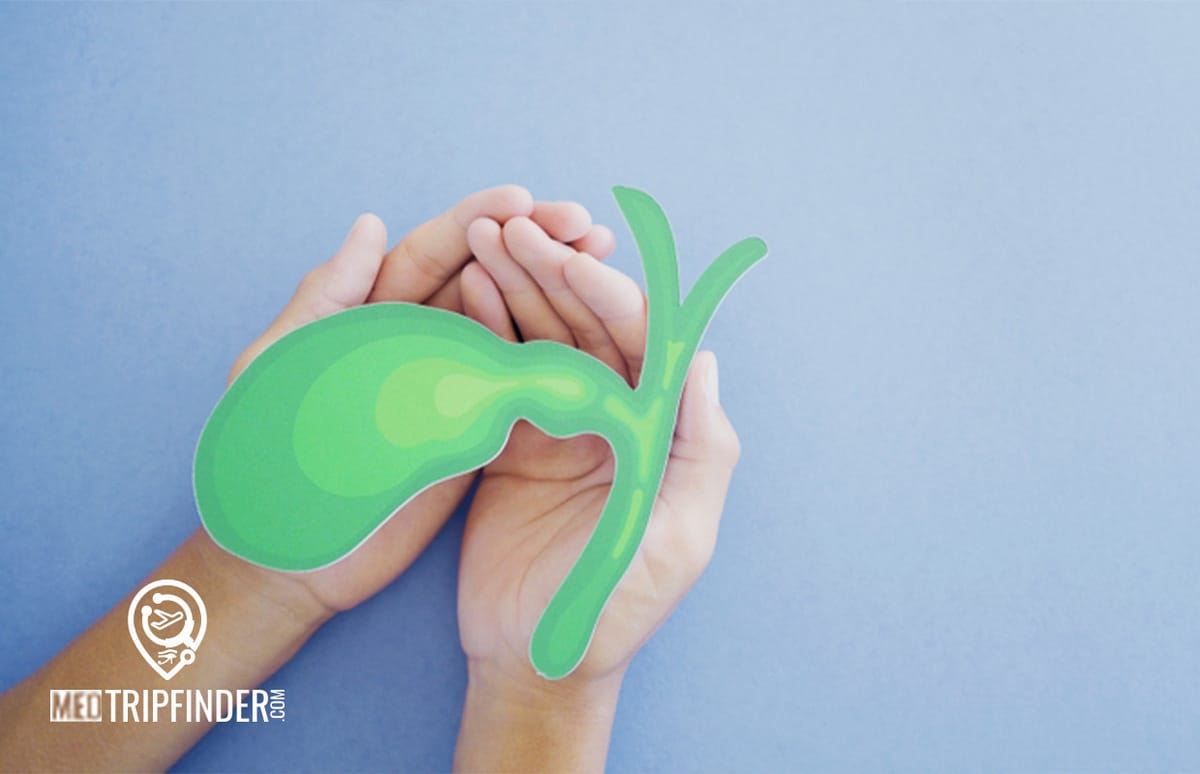
Bile duct obstruction is a condition in which the flow of bile from the liver to the small intestine is blocked. The bile ducts play an important role in transporting bile, which helps digest fats and remove waste from the blood. When these ducts are blocked, bile can accumulate and cause serious health problems due to impaired nutrient absorption and toxicity from the buildup of toxins in the body.
Causes of bile duct obstruction
• Gallstones: Gallstones are one of the most common causes. They form when substances in bile, such as cholesterol or bilirubin, harden. When these stones move and block the bile ducts, the deposits accumulate, and the stones increase in size, leading to a complete blockage of the bile duct and stopping the flow of bile.
• Tumors: Tumors in the digestive system, such as in the liver, pancreas, or gallbladder, may press on the bile ducts. These tumors can be benign or malignant and may affect bile secretion and cause obstruction. Some types of chemotherapy may also affect the gallbladder.
• Pancreatitis: A condition that can be difficult to diagnose and is often associated with hyperglycemia, abdominal pain attacks, and persistent vomiting. Pancreatitis can cause pressure on the bile ducts. It occurs when pancreatic tissue is exposed to digestive enzymes, causing the pancreas to swell and compress surrounding vessels and ducts, thereby obstructing bile flow.
• Strictures: These may result from infections, chronic gastric inflammation, trauma, or surgeries such as exploratory procedures for abdominal fluid. These conditions can lead to the ducts narrowing and obstructing bile flow.
Symptoms of bile duct obstruction
Common symptoms of bile duct obstruction include:
• Persistent vomiting
• Inability to digest fatty foods with fatigue afterward
• Abdominal pain, especially in the upper right side, which may be sharp or persistent and worsens after eating
• Jaundice (yellowing of the skin and eyes) due to bile accumulation
• Dark urine due to increased bilirubin in the blood
• Pale stools due to a lack of bile in the intestines
• Dark stools in cases of bilirubin accumulation
• Itching due to bilirubin buildup in the skin, causing severe and persistent discomfort
Risks of bile duct obstruction
Bile duct obstruction can be dangerous if left untreated. It may lead to severe inflammation of the liver and pancreas and can be fatal in severe cases without appropriate medical intervention. Complications include:
• Cholangitis: Bile accumulation may affect blood flow in hepatic and biliary vessels, leading to infection in the bile ducts.
• Liver cirrhosis: Permanent liver damage due to bile buildup, leading to impaired liver function, such as albumin production and toxin removal. Symptoms may include fluid accumulation in the lungs and extremities. It is a serious disease if left untreated.
• Acute pancreatitis: It is a medical emergency characterized by elevated pancreatic enzymes (lipase and amylase), abnormal insulin secretion and blood glucose levels, and requires immediate intervention.
• Sepsis: When the infection spreads from the bile ducts to the abdominal cavity and then into the bloodstream, it may cause systemic infection (blood poisoning). Symptoms include high fever, hypotension, and respiratory failure, and it can be fatal unless treated with the necessary antibiotics, fluid replacement, and monitoring of blood pressure and lung function.
Does bile duct obstruction cause death?
Yes, if bile duct obstruction is not treated promptly, it can lead to severe complications that may result in death, especially in cases such as blood poisoning.
Treatment of bile duct obstruction
• Medical treatment: It relieves symptoms and controls inflammation. Medications may include antibiotics to treat infections, herbal remedies to help dissolve stones and improve bile flow, and digestive medications and pain relievers.
• Endoscopic retrograde cholangiopancreatography (ERCP): It is one of the least invasive procedures. The medical team identifies the site of obstruction precisely using advanced imaging techniques, such as fluoroscopy. The doctor inserts an endoscope through the mouth into the intestines and removes stones using laser or thermal energy. In cases of bile duct narrowing or recurrent stones, he may place a stent to widen the duct.
• Surgery: It is considered the radical solution in advanced cases and cases with many complications, and can include tumor removal, duct widening, or gallbladder removal.
Regular follow-up tests are necessary to assess treatment response and determine the appropriate plan for each case. These include monitoring liver enzymes, stool analysis, serum bilirubin and albumin levels, examining skin and eye color, and pelvic and abdominal ultrasound imaging to evaluate liver condition, detect inflammation, and ensure there are no stones or tumors.
What is the cost of an endoscopic bile duct obstruction procedure?
The cost of endoscopic treatment for bile duct obstruction varies depending on the condition. It has become a commonly preferred option recently because it is less painful and does not require a long hospital stay. However, it is always recommended to discuss suitable treatment options with the doctor before deciding on any surgical procedure.
Treatment of bile duct obstruction in children
In children, bile duct obstruction is usually caused by congenital defects, autoimmune diseases, or viral infections during pregnancy. In such cases, the bile ducts may not develop properly, affecting the child's digestion and waste elimination.
Treating bile duct obstruction in children requires prompt and precise intervention. Common treatments include:
• Medications
• Interventional radiology techniques are preferred to protect the child from the complications of surgery
• Surgical intervention to improve bile flow
Parents must ensure close follow-up after treatment to guarantee full recovery and prevent complications.
Treatment of intrahepatic bile duct obstruction
This condition can lead to liver tissue damage and may affect blood circulation within liver vessels. Patients may be at risk of bacterial infections and ammonia toxicity due to elevated serum ammonia levels.
Treatment requires specialized care, including:
• Medical therapy.
• Interventional procedures, such as stent placement or surgery, are used to correct blockages and improve bile flow within the liver.
• Some cases may require long-term management to control symptoms and prevent recurrence.
Conclusion
Bile duct obstruction is a serious medical condition that requires prompt and effective intervention. In Egypt, multiple interventional radiology options are available with highly experienced hepatology and gastroenterology specialists, ensuring the best possible healthcare outcomes.
Other Operations
Uterine Fibroids Treatment
Interventional radiology shrinks fibroids by blocking blood supply, offering effective, minimally invasive, non-surgical treatment option.
Kidney Diseases Treatment
Interventional radiology treats kidney diseases using image-guided, minimally invasive procedures with high precision and faster recovery.
Liver Tumors Treatment
Interventional radiology treats liver tumors precisely using imaging-guided techniques, improving outcomes with minimally invasive procedures.
Thyroid Gland Treatment
Interventional radiology treats thyroid enlargement using radiofrequency ablation without surgery, offering faster recovery and preserved function.