


Table of Content
What are uterine fibroids?Benign uterine fibroidsAppearance of fibroidsCauses of uterine fibroidsSymptoms of uterine fibroidsUterine fibroids and pregnancyWhen is a fibroid considered dangerous?Diagnosis of uterine fibroidsTreatment of uterine fibroidsCan fibroids be treated without surgery?Treatment of uterine fibroids using interventional radiologyHow much does it cost to remove a uterine fibroid?Who is the doctor specializing in uterine fibroids?The best doctor for uterine fibroids in EgyptHow to prevent uterine fibroids?Conclusion
Uterine Fibroids Treatment
We work hard to create an exceptional experience for you during your treatment in Egypt. When you book through our website, you will receive a distinguished medical service inside Egypt. In your medical journey, we will provide you with tourism and entertainment services as well.
Uterine Fibroids Treatment
What are uterine fibroids?
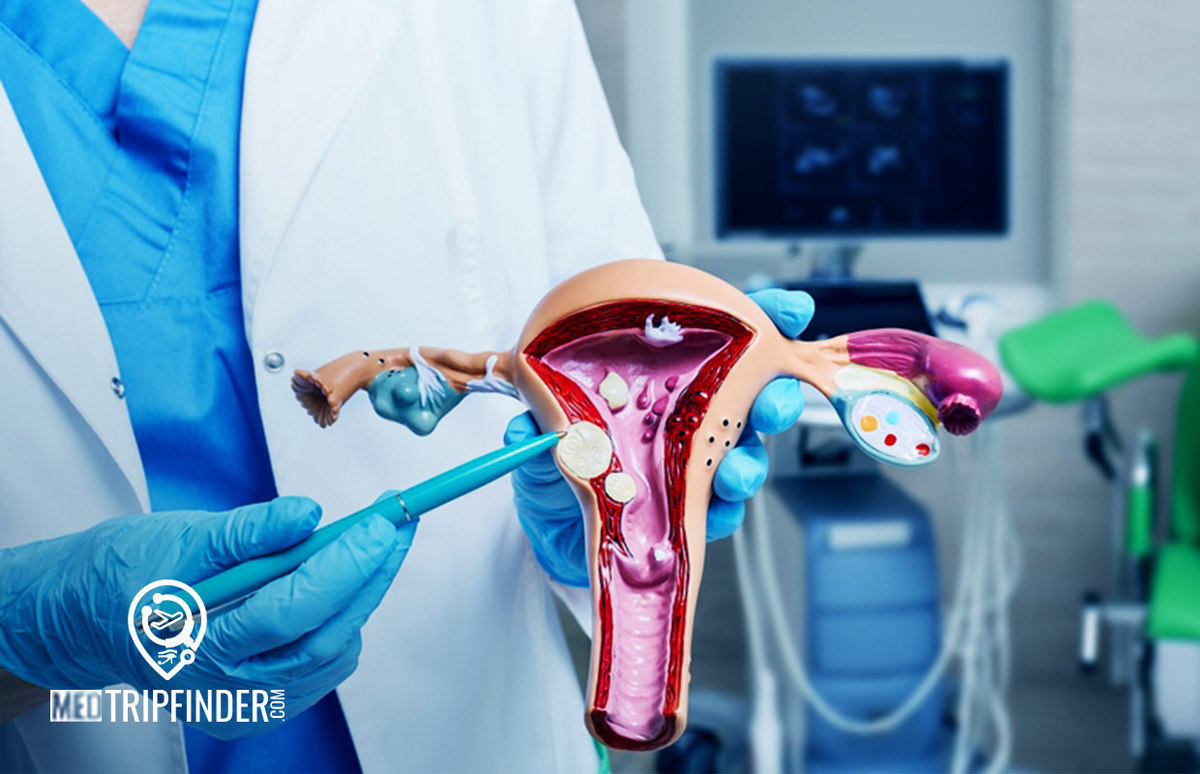
Uterine fibroids are non-cancerous growths that develop in the muscular wall of the uterus. They commonly occur in women of reproductive age and can vary in size, from very small to large enough to cause noticeable symptoms.
Benign uterine fibroids
Uterine fibroids are typically benign muscular tumors composed of smooth muscle tissue. They are not cancerous and do not turn into cancer. They are among the most common benign tumors in women of reproductive age.
Fibroids vary in size and location within the uterus and are classified into:
• Fibroids on the outer surface of the uterus
• Fibroids within the uterine wall
• Fibroids inside the uterine cavity
• Fibroids in the cervix
Appearance of fibroids
Uterine fibroids differ in shape and size. They can be as small as a pea or as large as a grapefruit. They may be single or multiple and can fill the uterus or press on nearby organs.
Causes of uterine fibroids
The exact causes of uterine fibroids are not fully understood, but several factors may contribute:
• Hormonal changes: Estrogen and progesterone hormones play a key role in fibroid growth
• Genetic factors: Family history of fibroids may increase the risk of their development
• Environmental factors: Some factors, such as obesity, lifestyle, and exposure to certain chemicals, may affect the appearance of these tumors
• Race: Women of African descent are more likely to develop fibroids than white women
Symptoms of uterine fibroids
Not all fibroids cause symptoms and may only be discovered incidentally during a routine pelvic exam. However, some fibroids may cause symptoms, the type and severity of which vary from woman to woman depending on the fibroids’ size and location. Common symptoms of uterine fibroids include:
• Heavy or prolonged menstrual bleeding
• Painful and heavy periods, possibly causing anemia
• Pelvic pain, especially during menstruation
• Pressure on the bladder or intestines (frequent urination or constipation)
• Pain during intercourse
• Abdominal bloating
• Feeling of fullness in the pelvic area
• Back or leg pain
Uterine fibroids and pregnancy
Uterine fibroids may affect fertility and the ability to conceive by interfering with the implantation of a fertilized egg or preventing proper fetal development. They may also cause complications during pregnancy, such as miscarriage or preterm birth.
When is a fibroid considered dangerous?
A fibroid becomes concerning when it causes severe symptoms affecting daily life, such as:
• Excessive bleeding leading to anemia
• Severe, unbearable pelvic or back pain
• Pressure on nearby organs
• Severe menstrual pain
• Difficulty conceiving or recurrent miscarriage
Diagnosis of uterine fibroids
Uterine fibroids are usually diagnosed through:
• Physical examination: The doctor examines the pelvis to detect any enlargement of the uterus or presence of masses.
• Ultrasound: It is used to determine the size and location of fibroids within the uterus.
• MRI scan: This test may be used to obtain more detailed images of the uterus and fibroids.
• Hysteroscopy: A procedure in which a thin tube with a small camera is inserted into the uterus to examine its lining.
Treatment of uterine fibroids
Treatment of uterine fibroids depends on the severity of symptoms, the size of the fibroids, and their location in the uterus. Treatment options include:
• Medications: Used to relieve symptoms, such as nonsteroidal anti-inflammatory drugs (NSAIDs) for pain relief, or hormonal medications to regulate the menstrual cycle and reduce fibroid size.
• Surgery: When symptoms are severe and do not respond to other treatments, surgery may be required. There are two types:
o Myomectomy: Removal of fibroids only, while preserving the uterus.
o Hysterectomy: Complete removal of the uterus, suitable for women who no longer wish to have children.
• Interventional radiology: A modern and effective method to reduce the size of fibroids and relieve symptoms. This treatment uses techniques such as catheterization to deliver tiny particles that block the blood vessels supplying the fibroid, leading to its shrinkage.
Can fibroids be treated without surgery?
Yes, in some cases, fibroids can be treated without surgery using hormonal therapies or interventional radiology. These treatments can effectively shrink fibroids and relieve symptoms without the need for surgery.
Treatment of uterine fibroids using interventional radiology
Interventional radiology is a modern and effective option for treating uterine fibroids. The procedure involves inserting a thin catheter through the femoral artery to be guided to the arteries supplying the fibroid. Special materials are used to block these arteries, cutting off the blood supply carrying nutrients to the fibroid, causing it to shrink over time.
How much does it cost to remove a uterine fibroid?
The cost of uterine fibroid removal varies significantly depending on the type of treatment used and the hospital or clinic where the procedure is performed. Non-surgical treatments, such as interventional radiology, may be less expensive than surgical procedures.
Who is the doctor specializing in uterine fibroids?
Finding a doctor specializing in uterine fibroids is a crucial step in treatment. Ideally, the doctor should be an obstetrician-gynecologist with experience in treating fibroids using various surgical and non-surgical techniques.
The best doctor for uterine fibroids in Egypt
How to prevent uterine fibroids?
Although there is no guaranteed way to prevent uterine fibroids, some measures may help reduce the risk:
• Regular medical check-ups: Routine examinations help in early detection and treatment before fibroids become a major issue.
• Maintaining a healthy weight: Obesity increases the risk of developing fibroids, so a balanced diet and physical activity can help reduce this risk.
• Hormonal balance: Taking hormonal medications under medical supervision may help regulate hormone levels and reduce the risk of fibroid growth.
Conclusion
Uterine fibroids are a common condition that can affect women’s quality of life. However, with medical advancements, effective treatment options are available. It is essential to consult a specialist to determine the most appropriate treatment based on the individual case. Awareness and prevention play a significant role in reducing the risk and improving the quality of life for affected women.
Other Operations
Kidney Diseases Treatment
Interventional radiology treats kidney diseases using image-guided, minimally invasive procedures with high precision and faster recovery.
Bile Duct Obstruction
Interventional radiology treats bile duct obstruction by restoring flow using stents and minimally invasive techniques.
Thyroid Gland Treatment
Interventional radiology treats thyroid enlargement using radiofrequency ablation without surgery, offering faster recovery and preserved function.
Varicocele Treatment
Interventional radiology treats varicocele by closing veins minimally invasively, improving recovery, sperm quality, and outcomes.