Kidney Diseases Treatment
We work hard to create an exceptional experience for you during your treatment in Egypt. When you book through our website, you will receive a distinguished medical service inside Egypt. In your medical journey, we will provide you with tourism and entertainment services as well.


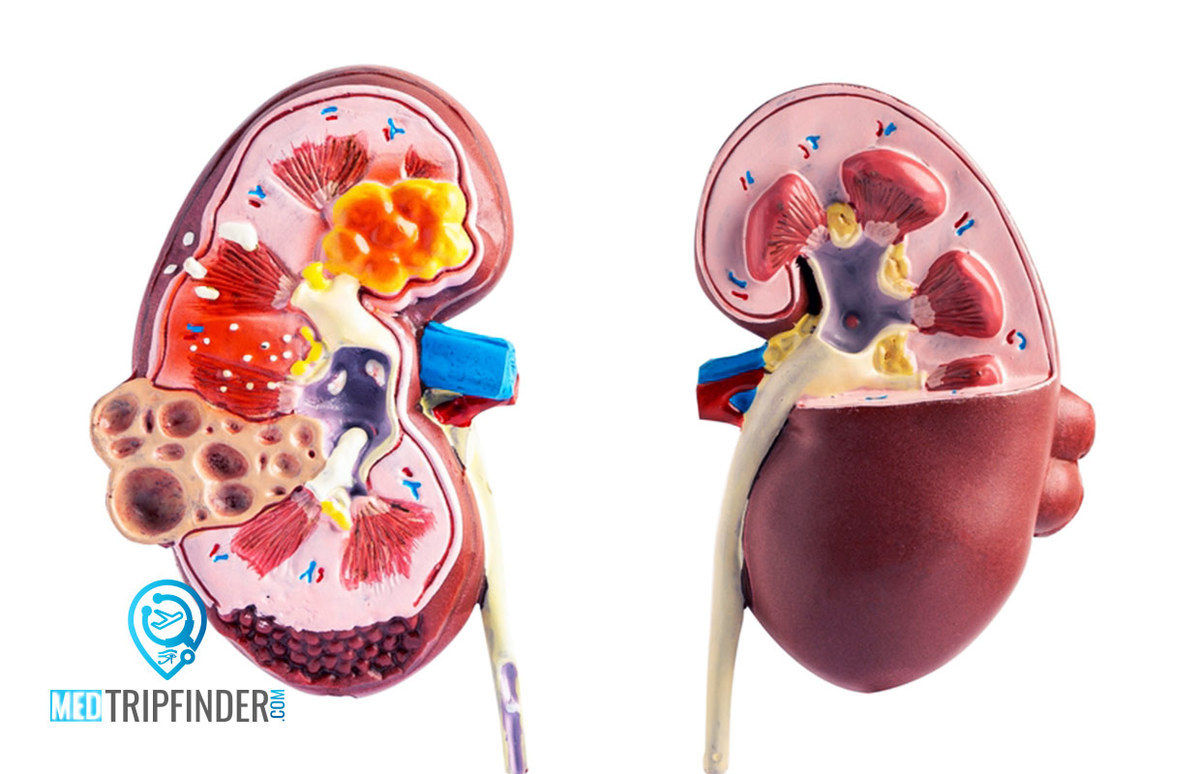

Kidney Diseases Treatment
The kidneys are vital organs in the human body, as they filter the blood from waste and excess fluids, help regulate blood pressure, and maintain electrolyte balance. However, the kidneys can be affected by various diseases that impair their function, leading to serious health problems. This article discusses in detail the types, causes, and symptoms of kidney diseases, as well as how to diagnose, treat, and prevent them.
Types of kidney diseases
Kidney diseases are a wide range of conditions that affect kidney function, a vital organ responsible for filtering blood and removing waste and excess fluids from the body. These diseases can be chronic (long-term) or acute (short-term), and they can affect people of all ages. Types of kidney diseases include:
Chronic kidney disease:
• Definition: Gradual damage to the kidneys leading to loss of function over many years.
• Causes: Often caused by diabetes and hypertension.
• Symptoms: Symptoms may not appear in early stages, but may include fatigue, difficulty concentrating, nausea, swelling, and bloody or foamy urine.
Acute kidney disease:
• Definition: Sudden loss of kidney function.
• Causes: Severe dehydration, severe bleeding, poisoning, and allergic reactions to certain medications.
• Symptoms: Severe fatigue, nausea and vomiting, difficulty breathing, swelling in the legs and ankles.
Polycystic kidney disease:
• Definition: A genetic disorder characterized by fluid-filled cysts in the kidneys.
• Symptoms: Back pain, hypertension, frequent urination, and urinary infections.
Glomerulonephritis:
• Definition: Inflammation of the glomeruli, a network of tiny blood vessels in the kidneys responsible for filtering the blood.
• Causes: Bacterial infections, autoimmune diseases, and medications.
• Symptoms: Bloody or foamy urine, swelling in the face and feet, and hypertension.
Kidney stones:
• Definition: Solid deposits of minerals and salts that form inside the kidneys, ranging in size from a grain of sand to a grape or larger.
• Causes: Low water intake, a diet high in sodium and protein, certain medical conditions, and some medications.
• Symptoms: Severe lower back pain, nausea and vomiting, and bloody urine.
Kidney failure:
• Definition: A medical condition in which the kidneys lose their ability to filter waste and fluids from the blood adequately, leading to the accumulation of waste and fluids in the body.
• Causes: Diabetes, hypertension, urinary tract obstruction, glomerulonephritis, and some genetic diseases.
• Symptoms: Fatigue, loss of appetite, shortness of breath, swelling in the face and feet, and bloody or foamy urine.
Causes of kidney diseases
The causes of kidney diseases can be multiple and include:
• Diabetes: High blood glucose levels can lead to kidney damage and are a major cause of chronic kidney disease.
• Hypertension: High blood pressure can damage blood vessels in the kidneys over time.
• Urinary tract infections: These can spread to the kidneys and cause inflammation, and recurrent infections may lead to permanent kidney damage.
• Urinary tract obstruction: Kidney stones or an enlarged prostate can cause a blockage that leads to kidney damage.
• Use of certain medications: Some medications, especially painkillers and nonsteroidal anti-inflammatory drugs (NSAIDs), can harm the kidneys when used in high doses or for long periods.
• Family history of kidney disease: Genetic factors play a major role in some cases.
Symptoms of kidney diseases
Symptoms of kidney disease vary depending on the type and stage of the disease and may be mild or absent in early stages. However, common symptoms that may indicate a kidney problem include:
• Fatigue and general weakness: Persistent tiredness and exhaustion.
• Swelling in the extremities: Swelling in the feet, ankles, face, and hands due to fluid accumulation.
• Changes in urination: changes such as increased or decreased urine output, a color change (red, brown, or orange), the presence of blood in urine, or urgency to urinate.
• Pain in the back or sides: Especially in the lower area near the kidneys.
• Hypertension: Due to fluid and salt retention.
• Loss of appetite: May be accompanied by weight loss.
• Nausea and vomiting: Especially in the morning.
• Itching: Severe skin itching may occur.
• Shortness of breath: Especially when lying down.
These symptoms do not necessarily indicate kidney disease, as they may result from other causes. Therefore, it is important to consult a specialist doctor for an accurate diagnosis.
Complications of kidney diseases
If kidney disease is not properly treated, it may lead to serious complications such as:
• Kidney failure and complete loss of kidney function, requiring dialysis or kidney transplantation.
• Cardiovascular diseases such as chronic hypertension, arterial diseases, and an increased risk of heart disease.
• Anemia and low red blood cell count due to decreased erythropoietin production.
• Weak and fragile bones due to an imbalance of calcium and phosphorus.
Diagnosis of kidney diseases
To diagnose kidney diseases, doctors may rely on a set of tests, including:
• Clinical examination: To evaluate symptoms and physical signs.
• Blood tests: To measure levels of creatinine, protein, and urea, which indicate kidney function.
• Urine tests: To analyze a urine sample for protein, blood, or red and white blood cells.
• Imaging tests: Such as ultrasound, CT scan, and MRI to assess kidney size, shape, and any damage or abnormalities.
• Kidney biopsy: In some cases, a small sample of kidney tissue may be taken and examined under a microscope to determine the exact cause of the disease.
Early detection and diagnosis of kidney disease are crucial for effective treatment. Therefore, regular kidney checkups are important, especially if you have risk factors.
Treatment of kidney diseases
The treatment of kidney diseases largely depends on the type of disease, its stage, and the patient’s overall health condition. The main goals of treatment are:
• Slow disease progression: Prevent deterioration of kidney function.
• Improve quality of life: Relieve symptoms and improve the ability to perform daily activities.
• Prevent complications: Problems such as hypertension, anemia, and bone diseases.
• Maintain chemical balance in the body: Regulate sodium, potassium, and other mineral levels in the blood.
Treatment options for kidney diseases include:
1- Medications: to control symptoms and treat underlying causes such as hypertension and diabetes. Medications work to:
• Antihypertensive drugs: Help protect the kidneys from damage.
• Diuretics: Help remove excess fluids from the body and reduce pressure on the kidneys.
• ACE inhibitors and ARBs: Angiotensin-converting enzyme inhibitors and angiotensin II receptor blockers help dilate blood vessels and protect the kidneys.
• Other medications: The doctor may prescribe additional medications to treat associated symptoms, such as itching or anemia.
2- Lifestyle modifications: such as following a healthy diet, exercising regularly, and reducing salt intake.
• Healthy diet: Following a diet low in sodium, protein, and phosphorus.
• Fluid restriction: In some cases, reducing fluid intake may be recommended.
• Regular exercise: Helps improve circulation and lower blood pressure.
• Smoking cessation: Smoking increases the risk of kidney disease and damage.
3- Dialysis: In advanced kidney failure, when the kidneys lose most of their function, dialysis may be required to remove waste and excess fluids from the body. Types of dialysis include hemodialysis and peritoneal dialysis.
4- Kidney transplantation: In severe cases that do not respond to other treatments, a kidney transplant from a living or deceased donor is the definitive treatment for chronic kidney failure.
In general, it is very important to regularly monitor the patient’s health condition and perform necessary tests to measure kidney function and evaluate treatment response.
Interventional radiology in kidney diseases
Interventional radiology is a branch of medicine that uses imaging techniques (such as X-rays, ultrasound, and CT scans) to guide precise medical instruments into the body for diagnostic and therapeutic procedures.
Interventional radiology is increasingly used to treat a wide range of kidney diseases. This technique is characterized by its precision and fewer side effects compared to traditional surgery, making it an attractive option for many patients.
The procedure is performed under local or general anesthesia, depending on the type of intervention. The doctor inserts a thin, X-ray-guided needle into the target area and then uses special instruments to perform the required procedure.
Interventional radiology can be used to treat a variety of kidney conditions, such as:
• Renal artery stenosis: Using catheters and stents to improve blood flow.
• Kidney stones: Using shock wave lithotripsy to break stones.
• Kidney biopsy: To obtain tissue samples without open surgery.
• Urinary tract obstruction: Using a catheter to relieve blockage in the ureter or bladder.
• Removal of small kidney tumors: Using a needle to destroy or remove tumors.
• Treatment of renal bleeding: Using embolic materials to stop bleeding.
• Dilating narrowed renal arteries: Using a catheter to widen the arteries and increase blood flow.
• Treatment of kidney cysts: Using a needle to drain fluid from cysts.
Advantages of treating kidney diseases with interventional radiology:
• High precision: The technology allows access to precise areas inside the body with extreme accuracy.
• Minimally invasive: Reduces the need for open surgery, meaning smaller incisions and faster recovery.
• Fewer side effects: Compared to traditional surgery.
• Quick procedures: Many interventional procedures can be performed in a short time.
• Short hospital stays: Patients can often return home the same day or the next day.
However, you should consult a doctor to determine whether interventional radiology treatment is the right option for your condition.
How can kidney diseases be prevented?
To prevent kidney diseases, it is recommended to follow these tips:
• Maintain a healthy lifestyle through regular exercise, a balanced diet, and maintaining a healthy weight.
• Regular blood pressure monitoring to keep levels within the normal range.
• Control blood glucose levels, especially for diabetic patients.
• Drink sufficient water to maintain kidney function.
• Avoid smoking and alcohol, as they negatively affect kidney health.
• Regular check-ups for early detection of any kidney problems.
Conclusion
Kidney disease is a serious health problem that can significantly impact a person's quality of life. It is important to recognize early symptoms and seek appropriate treatment promptly. Prevention remains the key to protecting the kidneys from disease through adopting a healthy lifestyle and keeping risk factors under control.
Other Operations
Varicocele Treatment
Interventional radiology treats varicocele by closing veins minimally invasively, improving recovery, sperm quality, and outcomes.
Thyroid Gland Treatment
Interventional radiology treats thyroid enlargement using radiofrequency ablation without surgery, offering faster recovery and preserved function.
Liver Tumors Treatment
Interventional radiology treats liver tumors precisely using imaging-guided techniques, improving outcomes with minimally invasive procedures.
Uterine Fibroids Treatment
Interventional radiology shrinks fibroids by blocking blood supply, offering effective, minimally invasive, non-surgical treatment option.