


Table of Content
What is endometriosis?Causes of endometriosisTypes of endometriosisComplications of endometriosisAppearance of endometriosis in imagesIs endometriosis a serious disease?Endometriosis and pregnancySymptoms of endometriosisIs it possible to cure endometriosis?Treatment of endometriosis in EgyptTreatment of endometriosis to achieve pregnancyInjections for treating endometriosisCost of endometriosis surgery in EgyptBest doctor for treating endometriosis in EgyptMy experience with endometriosisFrequently asked questions
Endometriosis Treatment
We work hard to create an exceptional experience for you during your treatment in Egypt. When you book through our website, you will receive a distinguished medical service inside Egypt. In your medical journey, we will provide you with tourism and entertainment services as well.
Endometriosis Treatment
Endometriosis is a medical condition that affects many women of reproductive age and causes severe pain and fertility problems. In Egypt, specialized clinics and medical centers offer advanced treatment options ranging from medication to surgery.
Women who experience symptoms of endometriosis are advised to consult specialists for proper diagnosis and to choose the most appropriate treatment to ensure an improved quality of life.
What is endometriosis?
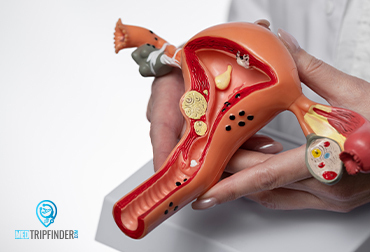
Endometriosis is a condition in which tissue similar to the uterine lining (endometrium) grows outside the uterus, in areas such as the ovaries, intestines, or even the bladder. This tissue behaves like normal endometrial tissue—it thickens and responds to the menstrual cycle—but because there is no way for the blood to exit the body, the trapped tissue leads to severe pain and inflammation. In some cases, endometriosis can affect fertility.
In Egypt, awareness of this condition is increasing, and a variety of treatment options are available to alleviate symptoms and improve quality of life.
Causes of endometriosis:
The exact cause of endometriosis is still unknown, but several factors may contribute to its development, including:
• Retrograde menstruation: It is believed that menstrual blood flows backward through the fallopian tubes into the pelvic cavity instead of leaving the body. This blood contains endometrial cells that can attach and grow to other organs.
• Genetic factors: Women with a family history of endometriosis are at higher risk of developing the condition.
• Immune system disorders: Problems with the immune system may prevent the body from eliminating endometrial tissue growing outside the uterus.
• Hormonal changes: Hormones such as estrogen may stimulate the growth of endometrial tissue outside its normal location.
In Egypt, medical consultations and necessary diagnostic tests are provided to identify the underlying causes of endometriosis and to offer suitable treatments tailored to each case..
Types of endometriosis:
Endometriosis can be classified into several types based on the location of the tissue and the progression of the condition:
• Superficial peritoneal endometriosis: The most common form, where endometrial tissue is found on the outer surface of pelvic organs such as the ovaries or intestines.
• Ovarian endometrioma: Blood-filled cysts (chocolate cysts) develop on the ovaries. These cysts can cause severe pain and affect fertility. They are called chocolate cysts because of their dark brown, chocolate-like fluid.
• Deep infiltrating endometriosis: This type is characterized by tissue growing deep within affected organs and may be more difficult to treat surgically due to the deep penetration of the tissues into the internal organs. In rare cases, endometrial tissue can spread to the intestines or bladder, causing painful symptoms such as difficulty urinating or digestive problems.
In Egypt, treatment approaches vary depending on the type of endometriosis, ranging from anti-inflammatory medications to advanced surgical procedures to remove these tissues.
Complications of endometriosis:
Endometriosis can cause numerous health problems that significantly affect a woman’s quality of life. The main complications include:
• Severe pain: Persistent pelvic pain is one of the most prominent symptoms of endometriosis, especially during menstruation or sexual intercourse.
• Fertility problems: Endometriosis significantly affects fertility and is considered one of the leading causes of female infertility. Pelvic inflammation and ovarian damage can make pregnancy difficult or even impossible by interfering with ovarian fertilization or damaging the ovaries.
• Digestive or urinary disorders: When endometrial tissue spreads to the intestines or bladder, women may experience difficulty with digestion or urination.
• Inflammation and adhesions: Endometriosis causes chronic inflammation, which may lead to adhesions between pelvic organs, such as the intestines or bladder, increasing disease complications and the need for surgery.
• Psychological impact: Chronic pain and difficulty conceiving can negatively affect a woman’s psychological health, increasing the risk of anxiety and depression.
In Egypt, there is a strong focus on providing comprehensive treatment options to reduce the harmful effects of endometriosis, including medical and psychological care.
Appearance of endometriosis in images:
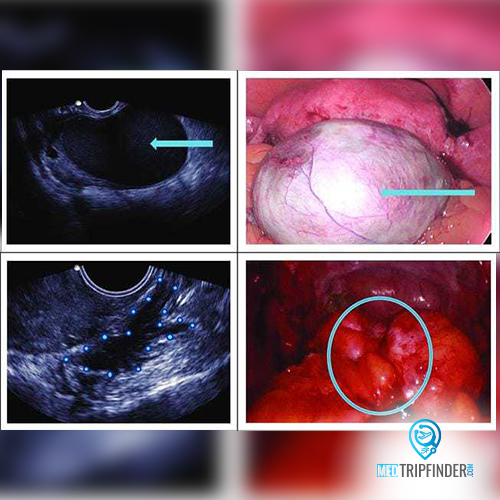
Endometriosis can manifest in several forms on pelvic organs. In many cases, endometrial tissue appears as dark or reddish spots on surrounding organs such as the ovaries or intestines. These patches can be detected using advanced medical imaging techniques, such as magnetic resonance imaging (MRI) or ultrasound:
• Superficial endometriosis: Appears as small spots or plaques on the surface of organs.
• Endometriomas (chocolate cysts): Appear as cysts filled with dark blood on the ovaries and may be visible on ultrasound imaging.
• Adhesions: In some cases, adhesions between organs may develop due to chronic inflammation, making it difficult for organs to move freely.
In Egypt, endometriosis can be accurately diagnosed using modern imaging techniques, which helps in creating an effective treatment plan.
Is endometriosis a serious disease?
Endometriosis is not a life-threatening disease in most cases, but it is a chronic medical condition that can significantly impact a woman’s quality of life. It can cause severe pain, fertility problems, and other daily-life challenges. In some cases, symptoms may worsen and lead to serious complications such as organ adhesions or tissue scarring, making surgical intervention necessary.
Endometriosis and pregnancy:
Endometriosis is one of the leading causes of difficulty conceiving and infertility in women. This occurs because endometrial tissue growing outside the uterus can affect the function of the ovaries, fallopian tubes, and even the uterus itself. In some cases, this tissue may interfere with fertilization or prevent the fertilized egg from implanting in the uterine wall.
However, some women can still conceive naturally despite having endometriosis, while others may require medical interventions such as in vitro fertilization (IVF).
Symptoms of endometriosis:
The symptoms of endometriosis vary from one woman to another, depending on the severity of the condition and the location of the displaced tissue. The most common symptoms include:
• Abdominal and pelvic pain
• Severe cramps during menstruation
• Pain during sexual intercourse
• Heavy or Irregular menstrual bleeding
• Increased vaginal discharge
• Nausea or vomiting
• Chronic fatigue and exhaustion
• Digestive problems, such as constipation or diarrhea
• Difficulty conceiving or infertility
• A burning sensation during urination (if the inflammation reaches the bladder)
Symptoms of endometriosis in the bladder:
When endometriosis affects the bladder, specific symptoms may appear, including:
• Pain or burning during urination
• Increased urgency or frequency of urination, especially during menstruation
• Blood in the urine during the menstrual period
• Pain in the lower pelvic area or lower abdomen
Symptoms of endometriosis in unmarried women:
Unmarried women with endometriosis may experience the same symptoms as married women, including:
• Severe pain during menstruation
• Strong and persistent cramps
• Pelvic or back pain
• Changes in bowel movements, causing diarrhea or constipation
• Heavy or irregular menstrual bleeding
Symptoms of endometriosis before menstruation:
Before menstruation, symptoms of endometriosis may worsen due to hormonal changes. These symptoms include:
• Severe spasms in the pelvic area
• Lower back pain may start before the period and continue during it
• Abdominal bloating and discomfort
• Irregular vaginal bleeding may occur before the start of the period
• Pain in the intestines or bladder
Symptoms of endometriosis in married women:
In addition to general symptoms, married women may experience additional symptoms such as:
• Pain during or after sexual intercourse
• Fertility problems and difficulty conceiving
• Severe cramps during menstruation
• Recurrent miscarriage in some cases
Symptoms of endometriosis during pregnancy:
Symptoms of endometriosis may worsen during pregnancy due to hormonal changes. These symptoms may include:
• Pelvic pain, which may be milder in some women and more severe in others
• Worsening abdominal cramps
• Constipation or diarrhea due to the effect of endometriosis on the intestines
• Occasional light bleeding, which may be concerning and requires medical follow-up
Symptoms of endometriosis after cesarean section:
After a cesarean section, some symptoms of endometriosis may persist or appear in a new form. These include:
• Pain at the cesarean incision site
• Inflamed scar tissue at the incision
• Severe cramps or pelvic pain
• Abnormal bleeding after childbirth
• Pain during urination or bowel movements
In conclusion, it is important to follow up on any symptoms related to endometriosis with a specialist to avoid complications and ensure appropriate treatment.
Is it possible to cure endometriosis?
Endometriosis is a chronic condition with no definitive cure till now. However, symptoms can be effectively managed and significantly reduced through available treatments. Some women experience noticeable improvement as treatment progresses or after menopause, when estrogen levels decline. While endometriosis cannot be completely eradicated, treatment aims to relieve pain, reduce symptoms, and improve fertility.
Treatment of endometriosis in Egypt:
There are several treatment options for endometriosis depending on the severity of the condition, symptoms, and the desire to conceive. These include:
1- Medication:
Pain relievers such as ibuprofen or nonsteroidal anti-inflammatory drugs (NSAIDs) may be used to reduce pain.
Pain relievers such as ibuprofen or nonsteroidal anti-inflammatory drugs (NSAIDs) may be used to reduce pain.
2- Hormonal therapy:
Since hormones play a key role in stimulating endometriosis, hormonal medications are used to reduce the abnormal growth of endometrial tissue.
Since hormones play a key role in stimulating endometriosis, hormonal medications are used to reduce the abnormal growth of endometrial tissue.
• Combined oral contraceptives: Used to reduce symptoms and regulate the menstrual cycle.
• Progestins: Recommended to limit the growth of endometrial tissue.
• GnRH analogues: Used to reduce estrogen production in the body and shrink endometriotic tissue.
• Aromatase inhibitors: Used to lower estrogen levels in the body.
3- Surgical treatment of endometriosis:
Surgical treatment may be necessary to remove endometrial tissue in severe cases, especially for women experiencing severe pain or wishing to improve fertility. Surgical options include:
• Laparoscopic surgery: The most common option, which is used to remove or destroy endometriotic tissue through small abdominal incisions. It is widely available in many hospitals and specialized medical centers in Egypt.
• Hysterectomy: In the most severe cases that do not respond to other treatments, the uterus—and sometimes the ovaries—may be removed. However, this option eliminates the possibility of future pregnancy.
Egypt has many endometriosis specialists who provide accurate diagnosis and personalized treatment plans for each case.
Treatment of endometriosis to achieve pregnancy:
Women who wish to become pregnant may require specialized treatment. Options include:
• Hormonal medications: Aimed at reducing inflammation and controlling tissue growth; some drugs, such as gonadotropin-releasing hormone (GnRH) analogues, reduce inflammation and control tissue growth by reducing the size of endometriotic tissue.
• In vitro fertilization (IVF): If endometriosis affects fertility, assisted reproductive techniques such as IVF may be used.
• Surgery: Removing endometriotic tissue can increase the chances of pregnancy.
Injections for treating endometriosis:
Hormonal injections, especially GnRH analogues, are used in the treatment of endometriosis. These injections reduce estrogen levels, leading to the shrinkage of the endometrial tissue. They are administered monthly or every three months, depending on the case. Side effects may resemble menopausal symptoms, such as hot flashes and mood swings.
Cost of endometriosis surgery in Egypt:
The cost of endometriosis surgery in Egypt varies depending on the type of procedure, the hospital, and the techniques used. Costs include medical examinations, the surgical procedure, and hospital stay, and prices differ based on each patient's condition and the facility where the surgery is performed.
Best doctor for treating endometriosis in Egypt:
The list of the best doctors for treating endometriosis in Egypt includes well-known specialists in the fields of gynecology and laparoscopic surgery. These doctors can be found in major hospitals as well as advanced, specialized medical centers. Choosing the right doctor depends on several factors, such as:
• The practical experience, the use of the latest treatment techniques, and the skill to perform surgical procedures when necessary.
• Positive reviews and evaluations from previous patients.
• The ability to provide personalized treatment solutions based on the patient’s health condition and goals.
It is important to choose a doctor who is committed to continuous follow-up and providing appropriate care, whether through medication or surgery.
MedTripFinder helps you find the best doctor for treating endometriosis in Egypt and also takes care of all travel, accommodation, and medical booking arrangements, ensuring a comfortable and successful treatment journey.My experience with endometriosis:
Endometriosis is a difficult personal experience for many women, as it significantly affects daily quality of life and overall health. One of the most common symptoms is chronic pain that worsens during menstruation and during sexual intercourse, in addition to the challenges faced by women who wish to become pregnant. Many women endure years of pain and misdiagnosis before the condition is finally identified as endometriosis.
Some women report significant improvement after receiving surgical treatment or using appropriate hormonal medications. However, results vary from one patient to another, and symptom control may require long-term care.
A MedTripFinder client from Saudi Arabia shares her story:
“I discovered that I had endometriosis two years after my marriage when I was having trouble conceiving. Doctors advised me to undergo laparoscopic surgery to remove the endometriotic tissue to facilitate a successful and safe pregnancy. I began searching for the best places that perform this procedure efficiently and safely, and I found that reviews consistently agreed on the high success rate of this surgery in Egypt. I contacted MedTripFinder, who assisted me with every step of my journey, from booking flights to arranging post-operative follow-up appointments. My experience with endometriosis and its treatment has truly been one of the most satisfying experiences of my life, and I am now expecting my baby after the success of my treatment journey with the help of MedTripFinder.”
Frequently asked questions:
Does endometriosis cause weight gain?
There is no direct evidence that endometriosis itself causes weight gain. However, chronic pain and hormonal changes may lead to lifestyle changes such as reduced physical activity or the use of medications that can affect weight. Psychological factors such as stress and depression may also play a role in weight gain due to changes in eating habits.
Does endometriosis cause death?
Endometriosis itself does not lead to death, as it is not a life-threatening disease. However, in very rare cases, if left untreated, it can lead to serious complications such as bowel obstruction or severe pelvic infections, and emergency intervention may be required. In general, symptoms and complications can be managed with appropriate treatment.
Does endometriosis prevent pregnancy?
Yes, endometriosis can cause difficulty conceiving and is considered one of the common causes of infertility in women. It affects the ovaries and fallopian tubes, making fertilization or implantation of the egg more difficult. In some cases, women with endometriosis can conceive naturally, while in other cases, medical treatment or assisted reproductive techniques such as in vitro fertilization (IVF) may be necessary to achieve pregnancy.
In conclusion:
Endometriosis is a chronic medical condition that affects many women and requires accurate diagnosis and appropriate treatment to alleviate symptoms and improve quality of life. In Egypt, many treatment options are available, ranging from hormonal medications to surgical interventions. Choosing the best doctor for treating endometriosis depends on medical expertise and personalized attention to the patient’s condition. With the right treatment and regular follow-up, endometriosis can be successfully managed.
Other Operations
Intracytoplasmic Sperm Injection
ICSI assists in conception if you are struggling with infertility. The sperm fertilizes the egg outside the body, then embryos are transferred to the uterus.
Gynecological endoscopes
Diagnostic and therapeutic gynecological endoscopes offer safe, rapid, accurate gynecological procedures without pain or long recovery period.
Gender Selection Through ICSI
Gender selection allows couples to avoid gender-linked genetic disorders. It uses advanced techniques to determine the baby's gender before implantation.
Laparoscopic Myomectomy
Laparoscopic myomectomy is the latest and most effective surgical methods for treating uterine fibroids, the most common non-cancerous tumors in women.