


Table of Content
What is benign prostatic hyperplasia (BPH)?Advantages of prostate enlargement treatment in EgyptWhy choose prostate treatment in Egypt?Cost of prostate enlargement treatment in Egypt 2025Diagnosis of prostate enlargement in EgyptDegrees of prostate enlargementCauses of prostate enlargement in menSymptoms of prostate enlargement that require treatment Best treatment options for prostate enlargement in Egypt in 2025When do we recommend surgery instead of other treatments?Who is the best candidate for surgical treatment?Potential complications and how to avoid themWhen do the symptoms improve after the procedure?Why is MedTripFinder the best choice for Gulf patients?Tips after prostate treatment for Gulf patientsBook now with the best prostate surgeons in EgyptFrequently Asked QuestionsImportant tipsStart your treatment journey now
Prostate Enlargement Treatment
We work hard to create an exceptional experience for you during your treatment in Egypt. When you book through our website, you will receive a distinguished medical service inside Egypt. In your medical journey, we will provide you with tourism and entertainment services as well.
Prostate Enlargement Treatment
Many men experience benign prostatic hyperplasia (BPH) after the age of 40 or 50, causing difficulty urinating, pain, and frequent urination. In Egypt, we offer the latest treatment technologies, including HoLEP, Rezum, UroLift, and Prostatic Artery Embolization (PAE), at lower costs than in Gulf countries, with experienced specialists and advanced medical equipment.
What is benign prostatic hyperplasia (BPH)?
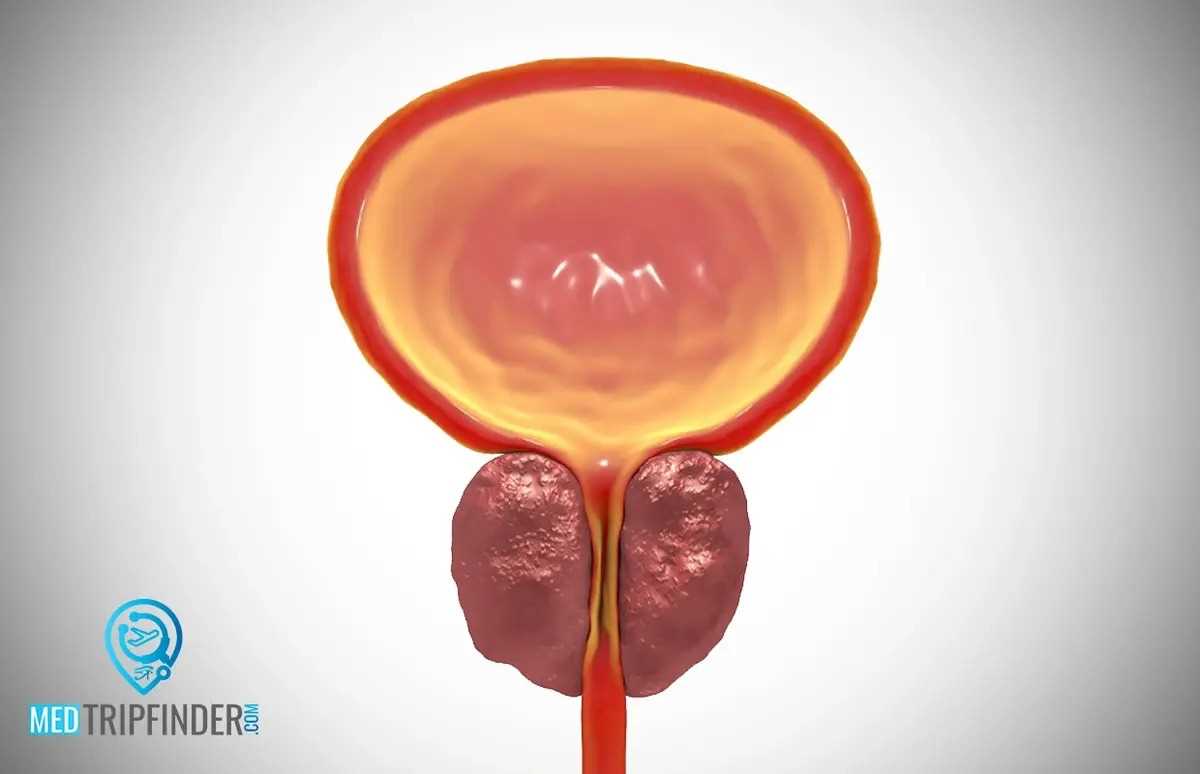
Prostate enlargement is a common medical condition that occurs as men age. In this condition, prostate tissue increases in size, leading to gland enlargement and a range of bothersome urinary symptoms. This condition is also known as benign prostatic hyperplasia.
The prevalence increases with age: approximately 40% of men at the age of forty are affected, rising to 80–90% after the age of eighty.
Advantages of prostate enlargement treatment in Egypt
Egypt is considered one of the leading medical destinations in the Middle East for treating prostate enlargement, thanks to the availability of advanced technologies such as plasma vaporization, Holmium laser prostate removal (HoLEP), and high-frequency energy treatments. These procedures are effective, reduce bleeding, and speed up recovery.
Egypt also boasts a distinguished group of urology professors with extensive experience in handling complex cases, in addition to competitive costs compared to other countries, while maintaining high medical standards. Specialized hospitals and centers provide comprehensive pre- and post-procedure care to ensure the best outcomes.
Why choose prostate treatment in Egypt?
• 50–70% lower prices than Saudi Arabia, the UAE, and Kuwait
• Surgeons specialized in advanced prostate procedures
• Latest international laser technologies
• Ability to complete tests and surgery in one short visit
• Easy travel access from the Gulf countries
• Full support for Saudi and Gulf patients
Cost of prostate enlargement treatment in Egypt 2025
The cost varies depending on the type of procedure, prostate size, and the surgeon's experience. The average prices in Egypt are as follows:
| Procedure | Cost in Egypt |
| Thulium or Holmium laser treatmenture | From 80,000 to 90,000 EGP |
| Laser prostate vaporization | From 60,000 to 70,000 EGP |
| Non-surgical treatment (Rezum / UroLift) | From 100,000 to 110,000 EGP |
Note: Prices include surgical fees, hospital stay, catheter, and follow-up visits.
Diagnosis of prostate enlargement in Egypt
All required tests can typically be completed within one day, including:
• Prostate ultrasound
• PSA blood test combined with ultrasound and other assessments to determine the degree of prostate enlargement
• Urinalysis and kidney function tests
• Uroflowmetry (urine flow measurement)
• CT scan when needed
Degrees of prostate enlargement
Prostate enlargement is classified according to severity:
• Mild enlargement: Mild symptoms such as difficulty starting urination
• Moderate enlargement: More noticeable symptoms such as frequent urination, especially at night
• Severe enlargement: Intense symptoms that may lead to urinary retention
Causes of prostate enlargement in men
Although this problem is common, the exact cause of benign prostate enlargement is not fully confirmed. Scientists believe it is linked to hormonal changes that occur with aging, particularly the accumulation of dihydrotestosterone (DHT) in the blood, which stimulates excessive prostate growth.
There are also some factors that increase the chances of developing benign prostatic hyperplasia (BPH), including:
• Lack of exercise and an unhealthy lifestyle
• Obesity, poor diet, and high intake of food rich in saturated fats
• Smoking and alcohol consumption
• Certain medical conditions, such as diabetes and heart disease
Symptoms of prostate enlargement that require treatment
An enlarged prostate puts pressure on the bladder and urethra—the tube responsible for carrying urine from the bladder out of the body through the penis. Symptoms of benign prostatic hyperplasia (BPH) vary from person to person depending on the degree of enlargement, age, and overall health condition. These symptoms include:
• Frequent and urgent need to urinate, especially waking up multiple times at night
• Difficulty starting urination
• Pain during urination
• Slow and weak urine stream
• Inability to completely empty the bladder
• Dribbling at the end of urination
• Urinary retention
• Pain after ejaculation
Some complications of benign prostatic hyperplasia (BPH) include:
• Blood in the urine or semen
• Bladder and urinary tract infections
• Bladder stones
• Kidney damage
Best treatment options for prostate enlargement in Egypt in 2025
Treatment varies depending on the degree of enlargement, severity of symptoms, patient age, and overall health. Treatment approaches include:
1) Conservative Treatment (Medications)
This type of treatment includes the use of alpha receptor inhibitors, which provide rapid symptom relief, or 5-alpha reductase inhibitors, which work to reduce prostate size over time, in addition to the possibility of using tadalafil or combining more than one drug, depending on the case.
When is it used? It is suitable for mild to moderate prostate enlargement and often the first step before surgical intervention.
Advantages: It is a non-surgical treatment, widely available, and effective in improving the symptoms when taken regularly with follow-up.
Disadvantages: It requires long-term use and may cause side effects such as dizziness, erectile dysfunction, or reduced libido. Some patients may not respond adequately.
Follow-up: Regular urine and prostate evaluations are required to assess the effectiveness of the treatment and monitor any side effects.
2) HoLEP (Holmium Laser Enucleation of the Prostate)
What is it? A modern technique that removes enlarged prostate tissue precisely using a holmium laser.
When is it recommended? It is recommended in cases of severe symptoms, large prostate size, or patients seeking a definitive solution with minimal bleeding. It is also particularly suitable for elderly patients and those on blood thinners.
Advantages: It provides less bleeding than traditional methods, excellent effectiveness for large prostates, rapid improvement in urine flow, and long-term results.
Disadvantages: It requires advanced equipment and highly experienced surgeons. A catheter may be needed for a short period afterward.
Recovery: Most patients leave the hospital within 1–2 days with a relatively fast recovery.
3) Thulium Laser
What is it? It is an advanced laser technique used to vaporize enlarged prostate tissue. It is similar in concept to HoLEP but differs in laser type and tissue interaction.
Advantages: It provides excellent bleeding control, high precision, and is suitable for various prostate sizes.
Disadvantages: It may not be available in all centers and requires significant surgical expertise.
Recovery: Similar to other laser techniques, usually a quick recovery with short catheter duration.
4) Plasma Vaporization
What is it? It uses plasma energy to vaporize enlarged prostate tissue and reduce the portion causing urethral obstruction without complete tissue removal.
Advantages: Very low bleeding risk, suitable for patients with bleeding disorders, and short hospital stay.
Disadvantages: The procedure may need to be repeated in cases of very large enlargement, and its success depends on specialized equipment and team expertise.
Recovery: Quick recovery in most cases, with the possibility of leaving the hospital on the same day or within 24 hours.
5) Water Vapor Therapy (Rezum)
What is it? The doctor injects steam into the enlarged prostate tissue. The heat destroys part of the tissue, which gradually shrinks over time.
When is it recommended? It is suitable for small to moderate enlargement, and for patients seeking a minimally conservative solution than medication but less invasive than surgery. It is also suitable for those wishing to minimize the impact on sexual or erectile function.
Advantages: It is performed endoscopically without extensive excision, helps to reduce symptoms, and preserves sexual function in many patients.
Disadvantages: Results need weeks or months to appear, as they depend on the gradual shrinkage of the tissue, and may not be suitable for very large prostate sizes.
Recovery: Short recovery period; temporary catheter may be needed.
6) TURP (Transurethral Resection of the Prostate)
What is it? TURP is the traditional gold-standard procedure for removing obstructive prostate tissue endoscopically.
When is it used? It is used for moderate to severe enlargement, especially in centers with strong surgical expertise.
Advantages: Highly effective in improving urine flow and reducing symptoms quickly.
Disadvantages: The procedure is associated with a higher bleeding rate compared to modern laser techniques, and the catheter may remain longer, as well as possible retrograde ejaculation or other procedure-related changes.
Recovery: The patient usually stays in the hospital 1–3 days with a relatively short recovery.
7) Robotic Simple Prostatectomy (Robotic-Assisted Techniques)
What is it? It uses robotic-assisted laparoscopy to partially remove the prostate or manage complex cases, so it is typically for very large glands.
When is it recommended? It is preferred for extremely large enlargement or cases requiring precise partial removal. It is preferred when minimizing bleeding and maximizing surgical precision is the goal.
Advantages: Exceptional surgical precision, better control during the procedure, reduced bleeding, fewer complications compared to traditional open surgery, and potentially faster recovery.
Disadvantages: It is more expensive than other methods and requires a center equipped with robotic technology and a trained surgical team.
Recovery: Similar to or better than open surgery, with shorter hospital stay compared to traditional open procedures.
When do we recommend surgery instead of other treatments?
Surgical intervention is recommended for prostate enlargement when medications fail to improve symptoms or when symptoms become severe enough to significantly affect quality of life. Surgery is also advised in the following cases:
• Recurrent urinary retention or permanent dependence on a catheter
• Repeated urinary tract infections due to urethral obstruction
• Bladder stones resulting from poor urine drainage
• Recurrent blood in the urine related to prostate enlargement
• Decline in kidney function due to prolonged pressure on the ureters
• Very large prostate size that does not respond to medication or minimally invasive techniques
In Egypt, the treating physician determines the most appropriate option based on symptoms, prostate size, patient age, presence of chronic diseases, and the patient’s preference regarding preservation of sexual function.
Who is the best candidate for surgical treatment?
A patient is considered an ideal candidate for surgery if the following apply:
• Severe urinary symptoms such as very weak urine flow, interrupted urination, or frequent nighttime awakening
• Failure of medical therapy for 3–6 months or bothersome medication side effects
• Large prostate size (often more than 80–100 grams), making simple procedures less effective
• Relatively younger patients seeking a long-term solution without lifelong medication
• Gulf patients traveling to Egypt who need fast results and a short recovery to minimize their stay
Potential complications and how to avoid them:
Although prostate enlargement treatments in Egypt have become safer thanks to laser, plasma, and robotic techniques, any medical intervention may carry potential risks. The most common possible complications include:
• Mild bleeding after the procedure (much lower with laser compared to traditional resection)
• Burning sensation or frequent urination during the first weeks
• The possibility of retrograde ejaculation in some procedures, such as TURP, while it is significantly lower with Rezum and certain laser techniques
• Mild urethral infection
• Temporary need for a catheter for a day to several days
How can these complications be minimized?
• Choosing the appropriate technique based on prostate size and patient condition
• Selecting an experienced surgeon (the most important factor in reducing complications)
• Performing necessary preoperative tests such as PSA, ultrasound, and kidney function tests
• Following post-procedure instructions, including drinking plenty of fluids and avoiding strenuous activity temporarily
• Maintaining follow-up with the medical team—especially for Gulf patients after returning home. MedTripFinder provides full follow-up support to ensure safe outcomes.
When do the symptoms improve after the procedure?
Symptom improvement depends on the technique used and the prostate size before surgery. Generally:
• Almost immediate improvement in urine flow after laser techniques such as HoLEP and Thulium
• Gradual improvement within two to four weeks after traditional procedures (TURP or plasma vaporization)
• Gradual improvement lasting up to three months in procedures like Rezum, since results depend on gradual tissue shrinkage
Most patients notice the following within the first few days:
• Stronger urine stream
• Reduced nighttime urination
• Overall relief and reduced bladder pressure
Within 4–6 weeks, urinary function returns nearly to normal, with continued improvement up to three months, depending on the technique.
Why is MedTripFinder the best choice for Gulf patients?
• Recommends the most suitable doctor for your condition
• Full coordination of tests, procedures, and accommodation
• 24-hour WhatsApp support
• Egypt offers an excellent balance between advanced medical care and lower cost compared to some regional or European countries
• Dedicated services tailored specifically for Gulf patients
Tips after prostate treatment for Gulf patients:
After undergoing enlarged prostate treatment in Egypt, patients should follow these guidelines to ensure the best results upon returning home:
First: Post-procedure care
• Drink plenty of water daily to help cleanse the bladder and reduce infection risk.
• Avoid strenuous activity and intense sports for 2–4 weeks after the procedure.
• Refrain from lifting heavy objects to prevent pressure on the bladder.
• Avoid prolonged sitting during the first week to reduce congestion and improve blood circulation.
Second: Medical follow-up after returning to the Gulf
• Perform a urine test after two weeks for reassurance.
• Monitor kidney function and PSA levels as recommended by your doctor.
• Stay in regular contact with the MedTripFinder medical team to ensure safe follow-up after travel.
• Attend scheduled online follow-up appointments with your doctor after returning home.
Third: Recommended lifestyle after treatment
• Follow a light diet during the first week, then gradually return to your normal diet.
• Reduce caffeine, tea, and energy drinks, as they may irritate the bladder.
• Avoid constipation by consuming vegetables and fiber, or using mild laxatives if necessary.
• Abstain from sexual activity for 10–14 days (depending on the technique used).
Fourth: Warning signs that require immediate medical attention
• Heavy bleeding or large blood clots.
• High fever.
• Severe pain during urination.
• Inability to urinate after catheter removal.
These situations are rare but require immediate follow-up. MedTripFinder provides a 24/7 direct medical support line for patients after traveling.
Book now with the best prostate surgeons in Egypt
If you are from Saudi Arabia or the Gulf region and considering advanced prostate enlargement treatment at lower costs compared to abroad, Egypt is considered one of the leading medical destinations in the Middle East due to:
• Availability of advanced laser technologies such as Holmium and Thulium lasers.
• Highly experienced urology surgeons in specialized hospitals.
• Affordable costs reaching up to one-third of treatment costs in the Gulf (cost-to-quality balance).
• The ability to complete examinations, treatment, and follow-up within a short, well-organized medical trip.
Through MedTripFinder, you can:
• Book your appointment with the top prostate surgeons in Egypt.
• Receive a clear treatment plan before traveling.
• Arrange accommodation, hotel, and transportation during your stay.
• Receive full post-operative follow-up until you safely return home.
Contact us now to receive a free consultation and determine the most suitable technique for treating your prostate enlargement.
Frequently Asked Questions
Is prostate enlargement dangerous?
In most cases, it is not directly dangerous, but neglecting treatment can lead to serious complications such as urinary retention, kidney damage, and bladder problems.
Is it possible to cure prostate enlargement?
This depends on the severity of the condition and the patient’s response to treatment. In all cases, symptoms can be controlled, and quality of life significantly improved.
What is the best medication for prostate enlargement?
There is no single “best” medication for all BPH patients. The appropriate treatment depends on each patient’s condition, examination findings, symptoms, and medical history.
What is the treatment for prostate enlargement in elderly patients?
Treatment for prostate enlargement in older men depends on overall health, symptom severity, and the degree of prostate enlargement. Non-surgical options are often preferred in many elderly patients, but the specialized doctor determines the most appropriate choice for each individual case.
Can prostate enlargement be treated without surgery?
Yes, prostate enlargement can be treated without surgery through medications or minimally invasive interventions such as:
• Laser treatment: Using specific laser types (e.g., Holmium or Thulium) to remove enlarged prostate tissue.
• Vaporization therapy: Using a high source of energy to destroy enlarged tissue, including thermal, plasma, laser, or water vapor techniques.
• Robotic prostatectomy: Used in cases of prostate tumors to remove the prostate precisely while reducing the risks and complications associated with traditional surgery, such as urinary incontinence or retrograde ejaculation.
Does the prostate return to normal size after treatment?
This depends on the degree of enlargement and the treatment type. In some cases, the prostate shrinks after treatment. In others, the size may remain similar, but symptoms and quality of life significantly improve.
Important tips
• Consult a doctor regularly after the age of 50 and undergo necessary medical screenings.
• Follow a healthy lifestyle, including exercise and a balanced diet.
• Stop harmful habits such as smoking and alcohol consumption.
• Maintain a healthy weight and control blood glucose levels.
Start your treatment journey now
We arrange for you: the right doctor, tests, accommodation, transportation, and follow-up.
Other Operations
Cost of Enlarged Prostate Treatment in Egypt 2025
Treating prostate enlargement in Egypt combines medical quality with reasonable cost, especially for Gulf patients seeking advanced care and experience.
Robotic Partial Nephrectomy
It allows the removal of kidney tumor while keeping the kidney intact, which helps to improve kidney function and reduce potential complications.
Prostatectomy
Prostatectomy, whether total or partial, is one of the most common procedures for treating prostate cancer, BPH, or even chronic cases of prostatitis.
Robotic Prostatectomy
Prostate removal is performed using robotic surgery in cases of prostate tumors, to get rid of cancerous cells safely and effectively.