Achilles Tendon Injury Treatment
We work hard to create an exceptional experience for you during your treatment in Egypt. When you book through our website, you will receive a distinguished medical service inside Egypt. In your medical journey, we will provide you with tourism and entertainment services as well.


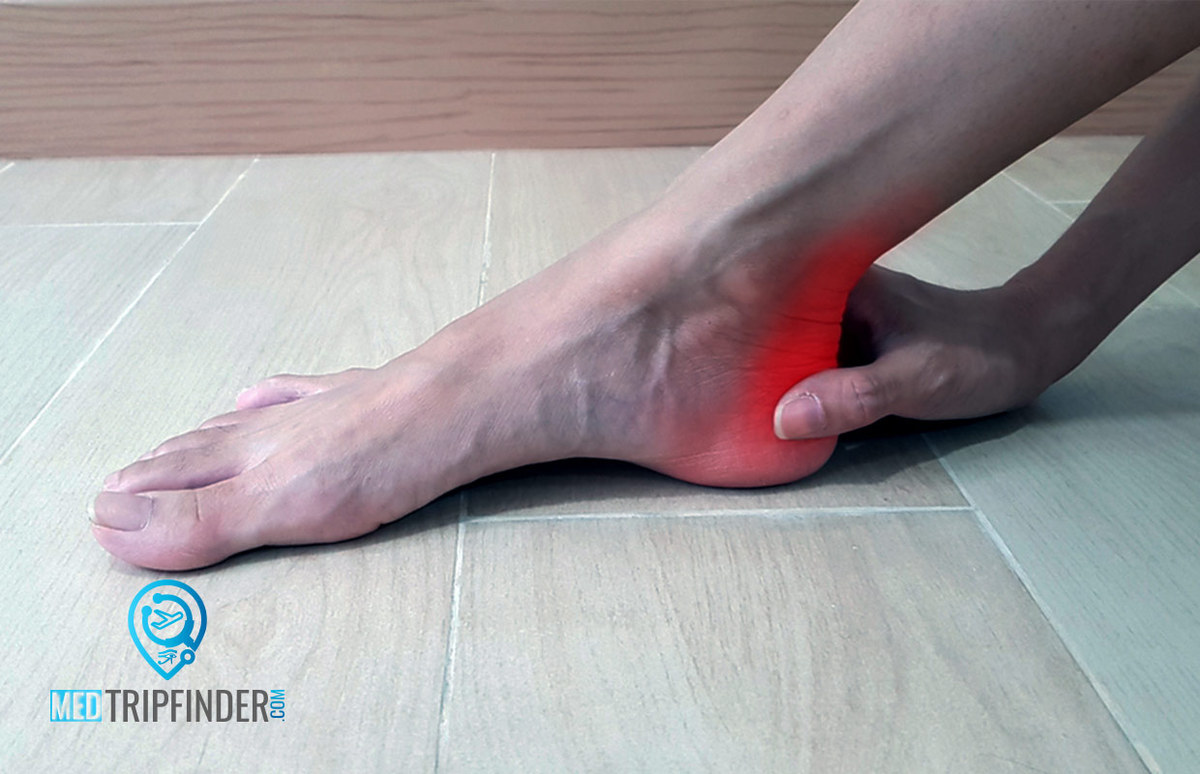

Achilles Tendon Injury Treatment
The Achilles tendon, also known as the heel cord, is one of the strongest and largest tendons in the human body. It plays a vital role in movement and the ability to walk, run, and jump. An Achilles tendon injury—whether a tear or inflammation—can significantly disrupt daily activities and requires proper care and treatment to restore full mobility.
What is the Achilles tendon?
The Achilles tendon is a strong tendon that connects the calf muscles at the back of the leg to the heel bone. This tendon allows the foot to flex downward and is essential for movements that rely on the foot. The body depends heavily on the Achilles tendon during walking, running, and even when standing on tiptoes.
Achilles tendon injury
An Achilles tendon injury may occur due to excessive stress or overstretching of the tendon, which can lead to inflammation or a partial or complete tear. These injuries may happen suddenly, especially during intense sports activities, or develop gradually due to long-term strain.
Achilles tendinitis
Achilles tendinitis usually occurs as a result of repeated stress on the tendon or intense physical activity that requires continuous movement. This inflammation may be accompanied by pain, swelling, and stiffness in the affected area.Causes of Achilles tendinitis
• Overuse: Excessive exercise or a sudden increase in activity level.
• Repetitive movement: Activities requiring frequent ankle and foot movement, such as running or dancing.
• Improper footwear: Shoes that do not provide enough support for the foot and ankle.
• Aging: The Achilles tendon becomes less flexible with age, increasing the risk of inflammation.
• Certain medical conditions: Such as rheumatoid arthritis and gout.
Symptoms of Achilles tendinitis
• Pain in the back of the ankle that worsens with movement.
• Swelling and redness in the affected area.
• Stiffness in the ankle, especially in the morning.
• A noticeable thickening or lump in the tendon.
Treatment of Achilles tendinitis
1. Non-surgical treatment
• Rest: Avoid activities that increase pain.
• Ice therapy: Apply ice packs for 15–20 minutes several times a day.
• Medications: Treatment medications typically include anti-inflammatory drugs such as ibuprofen or naproxen to relieve pain and reduce inflammation. In some cases, doctors may prescribe cortisone injections to reduce inflammation, but these must be used carefully under medical supervision due to the risk of tendon rupture.
• Supportive footwear: Wearing shoes that provide proper ankle support.
• Physical therapy: Rehabilitation exercises play a major role in treating Achilles tendonitis. Stretching and strengthening exercises help reduce tension on the tendon and improve flexibility. Examples include:
o Gentle calf stretching exercises.
o Ankle strengthening exercises.
o Water exercises that reduce pressure on the tendon during movement.
2. Surgical treatment
In severe or chronic cases, surgery may be required to repair the damaged tendon.
How long does Achilles tendinitis treatment take?
Treatment may take several weeks to several months, depending on the severity of the condition and the patient’s adherence to the treatment plan. Early treatment is important to prevent the condition from worsening.
Achilles tendon rupture
An Achilles tendon rupture is a serious injury that occurs in the lower leg. It usually happens when the tendon experiences sudden stress or excessive stretching beyond its capacity. This injury can lead to complete loss of ankle mobility and requires immediate treatment to restore proper function.
Partial Achilles tendon tear
A partial tear occurs when some of the tendon fibers are damaged, but the tendon is not completely severed. Although this may be less severe than a complete rupture, it can still cause significant pain and affect mobility. Intensive physical therapy and sometimes surgery may be required if non-surgical treatment is not effective.
Causes of Achilles tendon rupture
Rupture often occurs during intense physical activities such as running, jumping, or sudden stopping. Other causes include:
• Aging weakens the tendon over time.
• Overuse of the tendon leads to chronic strain.
• Certain medical conditions, such as chronic tendon inflammation.
• Certain medications, including steroids, may weaken tendons.
What happens when the Achilles tendon ruptures?
When the tendon ruptures, a person usually feels a sudden, sharp pain in the back of the leg or ankle, often accompanied by a “popping” sound. This is followed by significant difficulty walking or standing on the affected foot, as the tendon can no longer support normal movement.
Symptoms of Achilles tendon rupture
• Sudden severe pain in the ankle or calf.
• Inability to move the foot normally.
• Weakness and difficulty walking.
• Loss of full ankle movement.
• Hearing a popping sound at the moment of injury.
• Difficulty pointing the foot downward or standing on the toes.
• Swelling around the ankle.
• A noticeable gap in the tendon.
Is an Achilles tendon rupture dangerous?
Yes. It is considered a serious injury that requires immediate treatment. Without proper care, it may lead to permanent loss of ankle and foot function, significantly impacting mobility and quality of life.
Treatment of Achilles tendon rupture
Treatment of a ruptured Achilles tendon depends on the severity of the tear, the patient’s age, and his activity level. Treatment options for a ruptured Achilles tendon include:
• Non-surgical treatment: The use of splints or special shoes to support the tendon while it heals, along with rest and physical therapy.
• Surgical treatment: Achilles tendon repair surgery involves reconnecting the torn tendon using modern surgical techniques to promote faster healing and reduce the risk of complications. Surgery is often recommended for severe ruptures or athletes who need a full recovery of tendon function.
In some cases, a damaged tendon may require Achilles tendon lengthening surgery, especially if the tendon is severely affected or needs additional length to correct certain ankle or foot problems. This procedure helps improve movement and reduce tension on the tendon.
The treatment period usually lasts between 6 and 12 months, and the rehabilitation period includes physical therapy to restore strength and flexibility in the ankle and leg.
In cases of complete rupture, the recovery period may range from 6 to 12 months, while a partial rupture or inflammation can require a recovery period of several weeks to a few months, depending on the body's response to treatment.
Preventing Achilles tendon injuries
• Gradually increase the intensity of exercise.
• Choose comfortable, supportive footwear that provides adequate support for the foot and ankle.
• Perform warm-up exercises before starting physical activity.
• Stop exercising if you feel any pain.
Conclusion
Achilles tendon injuries are serious conditions that require immediate and accurate treatment. Recognizing the early symptoms and seeking medical care can help prevent long-term complications. With proper treatment, whether surgical or non-surgical, most patients can regain normal movement and return to their daily activities. Preventive measures such as proper stretching before exercise and avoiding excessive strain on the tendons are also essential for maintaining tendon health.
Other Operations
Treatment of ACL Injury
ACL injuries are common and painful, requiring accurate diagnosis and appropriate treatment to ensure a full recovery.
Knee Osteoarthritis Treatment
Knee osteoarthritis treated with medications, therapy, injections, and surgery in severe cases improving mobility and pain.
Hip Replacement Surgery
Hip replacement surgery is a common procedure aimed at improving the lives of those suffering from hip joint problems.
Flat Foot Treatment
Flat foot is a common condition that can affect quality of life if not properly managed with advanced treatments and assistive devices.