


Table of Content
Reasons for knee replacement surgerySymptoms that indicate the need for knee replacementKnee replacement surgery in EgyptKnee replacement surgery for the elderlyBenefits of knee replacement surgeryTips after knee replacement surgeryKnee replacement surgery failureAlternatives to knee replacement surgeryCost of knee replacement surgeryOrthopedic surgeon in EgyptConclusion
Knee Replacement Surgery
We work hard to create an exceptional experience for you during your treatment in Egypt. When you book through our website, you will receive a distinguished medical service inside Egypt. In your medical journey, we will provide you with tourism and entertainment services as well.
Knee Replacement Surgery
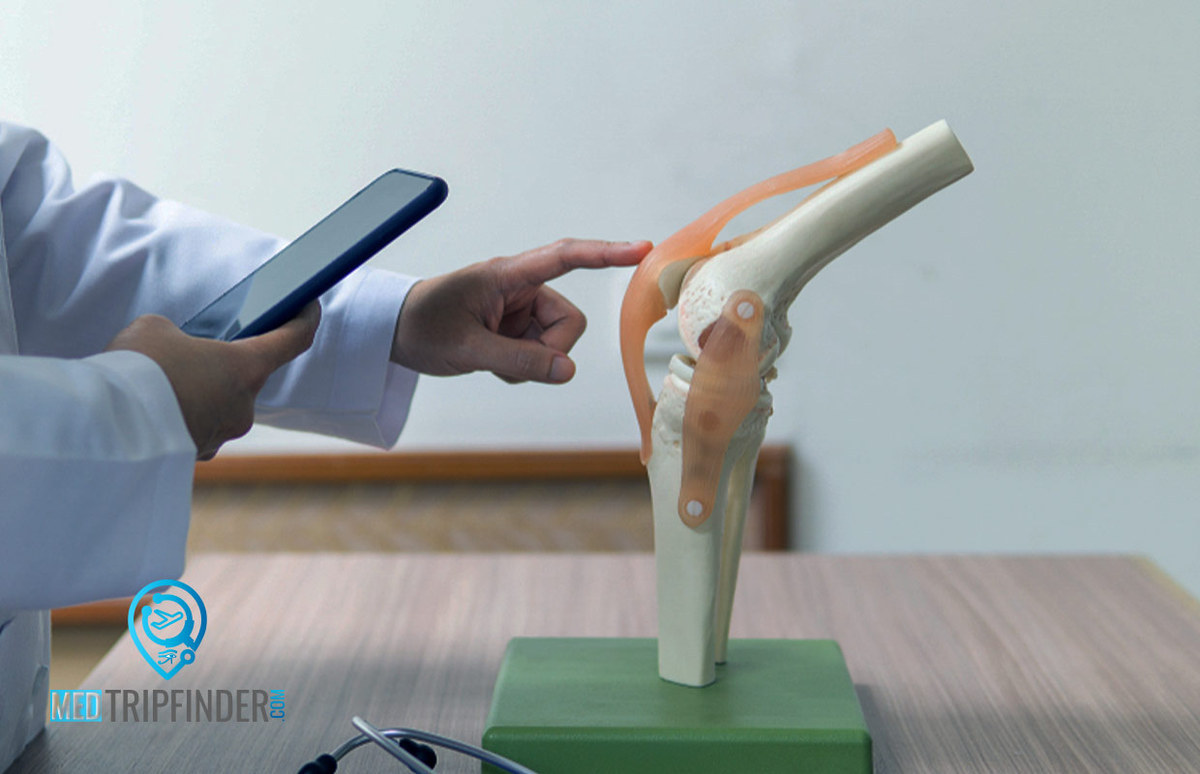
Knee replacement surgery is a surgical procedure that aims to replace a damaged or worn-out knee joint with an artificial one, thereby improving mobility and relieving pain. This procedure is one of the most common surgeries for treating chronic knee problems that do not respond to traditional treatments.
Reasons for knee replacement surgery
There are several reasons why a person may need knee replacement surgery, including:
• Arthritis: This is the most common cause. It leads to the wearing away of cartilage covering the ends of bones in the joint, causing pain, swelling, and stiffness.
• Rheumatoid arthritis: This is a chronic autoimmune disease that causes inflammation and damage to joints.
• Gout: This is a type of arthritis that causes severe joint pain and swelling.
• Severe knee injuries: Such as complex fractures or damage to cartilage and ligaments, which may destroy the joint over time.
• Structural deformities: They affect joint alignment and lead to cartilage wear.
• Other bone diseases: Osteoporosis or bone tumors may affect the knee joint.
• Failure of other treatments: Medications, physical therapy, or injections may fail to treat knee problems.
Symptoms that indicate the need for knee replacement
• Chronic pain that does not improve with medication or rest.
• Joint stiffness makes it difficult to bend or straighten the knee.
• Swelling and redness around the knee joint.
• Limping or abnormal walking.
• Difficulty performing daily activities, such as walking or climbing stairs.
If you are experiencing these symptoms, it is important to consult an orthopedic doctor to evaluate whether knee replacement surgery is needed.
Knee replacement surgery in Egypt
Egypt has many medical centers and hospitals equipped with the latest technologies for performing knee replacement surgeries. These centers employ experienced and specialized doctors, ensuring positive outcomes for patients.
MedTripFinder helps patients choose the best orthopedic doctors and hospitals for knee replacement surgery. The service also assists with appointments, hospital arrangements, and other booking procedures needed during the treatment journey.Knee replacement surgery for the elderly
Knee replacement surgery is a common and effective solution for elderly patients suffering from joint wear and chronic pain that affects their daily lives. The procedure helps improve the quality of life and allows patients to return to their usual activities.
Benefits of knee replacement surgery
• Pain relief: Significant reduction or complete elimination of pain.
• Improved mobility: Restoring the ability to move normally.
• Better ability to perform daily activities: Such as walking, running, and exercising.
• Improved quality of life: Relief from constant pain allows patients to return to normal life.
Tips after knee replacement surgery
For successful and faster recovery:
• Follow the doctor’s instructions carefully
• Keep the surgical wound clean
• Attend physical therapy sessions regularly
• Take prescribed medications consistently
• Report any unusual symptoms to your doctor immediately
How long does knee replacement surgery take?
The surgery usually takes between one and a half to two hours, depending on the complexity of the patient’s condition and the type of artificial joint used.
What is the success rate of knee replacement surgery?
The success rate of knee replacement surgery exceeds 90%. The results depend on several factors such as the surgeon’s experience, the technique used, and the patient’s commitment to rehabilitation and physical therapy.
How long is the recovery time after knee replacement surgery?
Initial recovery usually takes 2 to 4 weeks, during which patients regain the ability to walk and move more normally. Full recovery and return to regular daily activities may take 3 to 6 months.
When can you walk after knee replacement surgery?
Patients can usually begin walking with assistance within one or two days after surgery. Crutches or a walker may be used at first, then the patients gradually progress to unassisted movement while continuing their physical therapy program.
Physical therapy after knee replacement surgery
Physical therapy is an essential part of the recovery process after knee replacement. It includes exercises to improve the range of motion, strengthen the muscles surrounding the joint, and restore the ability to walk and move efficiently. Physical therapy helps speed up recovery and reduce the risk of complications.
Is knee replacement surgery dangerous?
In general, knee replacement surgery is considered safe and effective for treating knee joint problems and improving quality of life. However, like any surgery, it may carry some risks, which can be minimized by choosing an experienced orthopedic surgeon.
What are the possible risks of knee replacement surgery?
Potential complications of knee replacement surgery include:
• Infection at the surgical site
• Bleeding during or after surgery
• Knee stiffness after the procedure
• Nerve damage around the joint
• Blood clots in the leg veins
• Persistent pain in some cases
• Delayed wound healing or poor integration of the artificial joint
• Wear of the artificial joint, which may require replacement after several years
Is there pain after knee replacement surgery?
Some pain is expected after the procedure, but it can be managed with pain medications. The pain gradually decreases over time with proper rehabilitation and physical therapy.
What causes leg swelling after knee replacement surgery?
Leg swelling is common after surgery and is part of the body’s natural healing response. It may last for several weeks or months and should be monitored to ensure no complications, such as blood clots, occur.
Knee replacement surgery failure
A failed knee replacement surgery, a term that refers to the failure to achieve the expected results from the surgery or the emergence of complications that affect the performance of the artificial joint, is frustrating and can significantly impact the patient's quality of life.
Causes of knee replacement surgery failure
In some cases, knee replacement surgery may fail due to factors such as:
• Infection, one of the most serious complications and may lead to joint dislocation, requiring additional surgery
• Blood clots, causing blockage in the leg vessels
• Wear of the artificial joint components over time
• Joint loosening or separation due to poor bonding with the surrounding bone
• Damage to nerves or blood vessels during or after surgery
• Surgical errors may occur that affect the outcome of the procedure
• Weak or loose surrounding soft tissues, causing instability
• Other diseases, such as diabetes or rheumatoid arthritis, may affect the outcome of the procedure
Symptoms of knee replacement failure
• Persistent or worsening pain with movement
• Swelling and redness around the knee joint
• Difficulty bending or straightening the knee (joint stiffness)
• Feeling something moving inside the joint
• Knee instability
Preventing knee replacement failure
To avoid failure of knee replacement surgery, the patient must:
• Follow the doctor’s instructions before and after surgery
• Perform exercises regularly under medical supervision
• Maintain a healthy weight to reduce pressure on the artificial joint
• Have regular follow-ups with the doctor for early detection of any problems
Alternatives to knee replacement surgery
Possible alternatives to knee replacement surgery may include:
• Physical therapy to improve muscle strength and joint movement
• Medications such as pain relievers and anti-inflammatory drugs
• Injections such as cortisone or hyaluronic acid injections
• Lifestyle changes, including weight loss and avoiding activities that increase pain
Cost of knee replacement surgery
The price of knee replacement surgery varies based on several factors, including the doctor’s experience, the skill of the accompanying medical and surgical team, the quality of the hospital, and the type of artificial joint used in terms of manufacturing materials and country of origin.
Orthopedic surgeon in Egypt
You can contact MedTripFinder to help choose the best orthopedic surgeon in Egypt for knee replacement surgery. The service ensures professional care, safe procedures, and continuous follow-up after surgery until full recovery.
Conclusion
Knee replacement surgery is an effective medical procedure that can significantly improve the lives of patients suffering from chronic knee problems. With modern medical and technological advancements, the procedure has become safer and more effective, allowing patients to regain mobility and enjoy a pain-free life. Following medical advice and participating in physical therapy programs are essential for achieving the best possible outcomes.
Other Operations
Treatment of Clubfoot
It is a congenital foot deformity where the foot turns inward or downward. Early treatment with casting, braces, or surgery can achieve normal movement.
Treatment of ACL Injury
ACL injuries are common and painful, requiring accurate diagnosis and appropriate treatment to ensure a full recovery.
Bowed Legs Treatment
Bowed legs is a condition causing leg curvature, affecting walking and balance. The treatments range from exercises to surgery.
Treatment of hip dislocation in children
It is a medical condition that occurs when the femoral head is unstable in the pelvic cavity. Early detection and treatment is essential for the healthy development.