


Table of Content
What is the cruciate ligament?Anterior cruciate ligament (ACL)Anterior cruciate ligament tearSymptoms of an ACL injuryCan someone with an ACL Injury bend their knee?What is the difference between an ACL tear and a rupture?Is it possible to live with a torn cruciate ligament?Treatment of ACL InjuryHow long does ACL tear treatment take?Searching for the best orthopedic doctor in EgyptConclusion
Treatment of ACL Injury
We work hard to create an exceptional experience for you during your treatment in Egypt. When you book through our website, you will receive a distinguished medical service inside Egypt. In your medical journey, we will provide you with tourism and entertainment services as well.
Treatment of ACL Injury
Anterior Cruciate Ligament (ACL) injury is a common sports injury that significantly affects knee movement and stability. It usually occurs during sports activities that involve sudden changes in direction or jumping and landing, making it common among athletes.
What is the cruciate ligament?
The cruciate ligament is one of the four main ligaments that stabilize the knee joint. It consists of the anterior cruciate ligament (ACL) and the posterior cruciate ligament (PCL), which cross each other in a cruciate (X-shaped) form inside the joint. These ligaments help maintain knee stability and prevent excessive movement that could lead to injury.
Anterior cruciate ligament (ACL)
The anterior cruciate ligament (ACL) is located in the center of the knee and connects the thigh bone (femur) to the shin bone (tibia). Its primary role is to prevent the tibia from moving too far forward relative to the femur and to control excessive rotation of the knee.
Anterior cruciate ligament tear
An ACL tear occurs when the ligament is subjected to strong stress that causes it to rupture. The injury can be complete or partial, depending on the force applied to the ligament.
In some cases, a partial tear occurs when only part of the ligament is torn while the remaining portion stays intact. This type of injury may cause partial knee instability and sometimes requires treatment similar to that of a complete tear.
Symptoms of an ACL injury
Common symptoms include:
• Severe pain: Usually occurs immediately after the injury and is located in the front or back of the knee.
• Swelling: Appears quickly after the injury.
• A “popping” sound: Some people hear or feel a popping sound when the injury occurs.
• Knee instability: The patient may feel that the knee is unstable or loose during movement.
• Difficulty walking: The injury can make it hard to walk or bend the knee normally.
Can someone with an ACL Injury bend their knee?
Yes, a person with an ACL injury may still be able to bend the knee, but it may be painful or difficult. The ability to bend the knee depends on the severity of the injury (partial or complete) and the degree of swelling and pain present.
What is the difference between an ACL tear and a rupture?
The difference between a rupture and a tear of the cruciate ligament relates to the extent of damage to the ligament:
• Complete tear: The ligament is fully torn, causing complete loss of its function.
• Partial tear: Only part of the ligament is torn, while the remaining portion stays intact, causing partial knee instability.
Is it possible to live with a torn cruciate ligament?
Yes, in some cases, it is possible to live with an ACL tear, especially if it is partial. This depends on the knee’s functional stability and the person’s physical activity level. Some individuals can rely on strengthening the muscles surrounding the knee and using knee braces to achieve adequate stability.
Treatment of ACL Injury
Treatment of ACL injury depends on the severity of the injury and the individual’s activity needs. Available treatments include:
1. Non-Surgical Treatment
In cases of partial tears or when the patient is not a professional athlete, it is possible to live with an anterior cruciate ligament (ACL) injury. ACL injuries may sometimes be managed without surgery through:
• Physical therapy: To strengthen the muscles around the knee and restore range of motion.
• Knee braces: To stabilize the knee during movement.
• Medications: To reduce pain and swelling, including:
o Nonsteroidal anti-inflammatory drugs (NSAIDs) such as ibuprofen and naproxen
o Pain relievers such as paracetamol
o Supplements like glucosamine and chondroitin to support joint health
2. ACL Surgical Treatment
ACL surgery is a common option for people with a complete ACL tear or severe knee instability. The procedure aims to repair or replace the anterior cruciate ligament. There are two main types of ACL surgery:
• ACL repair surgery
Goal: Repair the remaining part of the cruciate ligament using sutures or graft tissue from the patient or a donor.
When used: When the tear is partial or when a large portion of the ligament is still intact.
• ACL reconstruction surgery
Goal: Replace the damaged ligament with a tendon from another part of the body (such as the patellar tendon) or from a donor.
When used: When the tear is complete, or the ligament cannot be repaired. This surgery is commonly performed for athletes or individuals with significant knee instability.
Arthroscopic ACL surgery
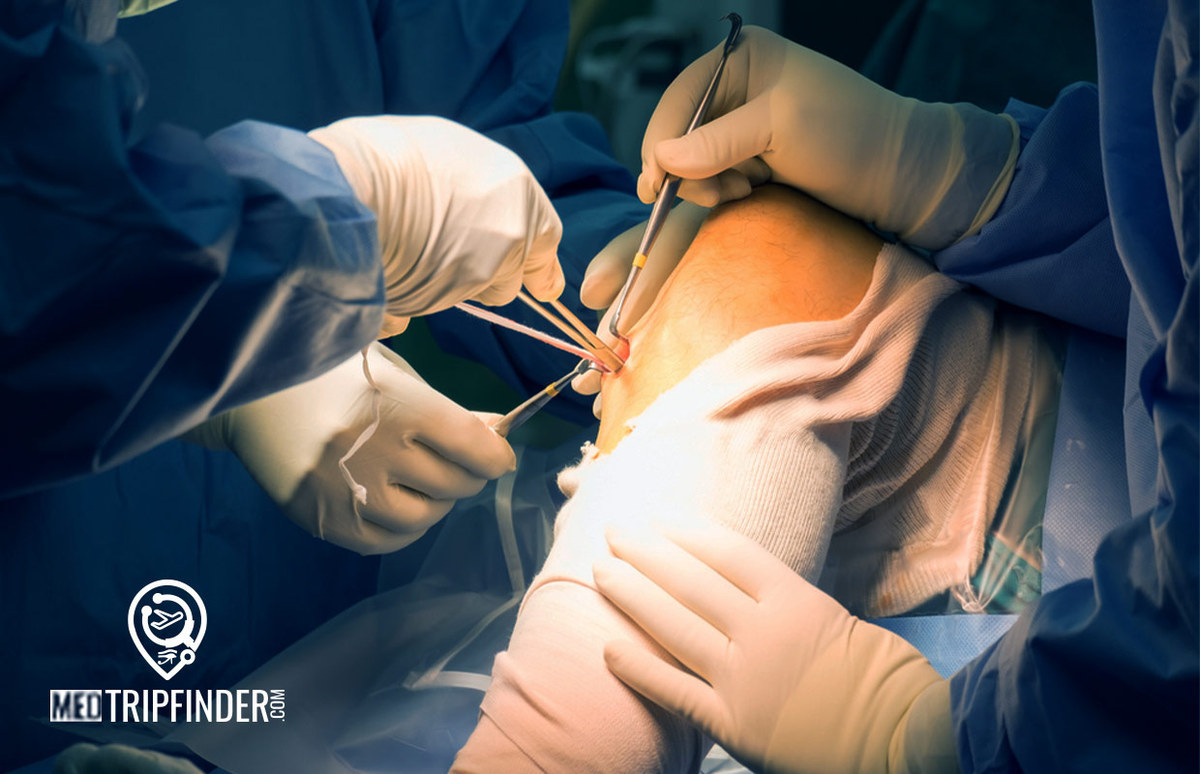
Arthroscopic ACL surgery is a modern technique that uses small instruments and a camera to perform the procedure through tiny incisions in the skin. This method typically results in less pain, less swelling, and faster recovery compared to traditional surgery.
Recovery time after ACL surgery
Full recovery usually takes 6 to 12 months. During this period, patients undergo an intensive rehabilitation program including physical therapy and specialized exercises to restore knee strength, mobility, and stability.
The importance of rehabilitation
The rehabilitation program is an integral part of the recovery process after ACL surgery, as it helps with:
• Reduce pain and swelling
• Restore knee movement
• Strengthen surrounding muscles
• Prevent complications
Proper sleeping position after ACL surgery: It is recommended to sleep on your back with a pillow under the knee to support it and prevent excessive movement. Knee braces may also be used during sleep for stability.
Walking after ACL surgery: Patients usually begin walking with crutches for 2–3 weeks, then gradually transition to walking without them, depending on the doctor’s guidance and progress in physical therapy.
Returning to sports after ACL surgery: Most patients can gradually return to sports 6–9 months after surgery, depending on factors such as age, type of sport, and recovery progress. The doctor determines the appropriate time individually based on each patient's specific circumstances.
How long does the pain last after ACL surgery?
Pain usually lasts a few weeks after surgery and can be managed with pain relievers and anti-inflammatory medications.
Is ACL surgery dangerous?
ACL surgery is generally considered safe, but like any surgical procedure, it carries some risks such as infection, blood clots, or joint stiffness.
What does the knee look like after ACL surgery?
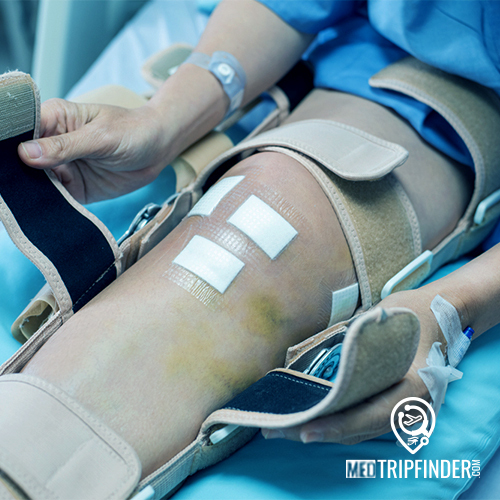
After ACL surgery, the knee may initially appear swollen and inflamed. Over time and with physical therapy, the knee usually returns to a normal appearance, though small surgical scars may remain.
Cost of ACL surgery
The cost of ACL surgery varies depending on several factors, including:
• The surgeon’s experience and skill in performing the procedure without any problems or complications.
• The type of procedure (traditional surgery or arthroscopy), as each has its own equipment and tools.
• The country and hospital level, Egypt is known for offering relatively affordable ACL surgery costs while maintaining high-quality medical care before and after the procedure.
How long does ACL tear treatment take?
The duration of treatment for a torn cruciate ligament depends on the severity of the injury and the type of treatment used. In non-surgical cases, recovery can take from several weeks to several months. In surgical cases, recovery may take approximately 6 to 12 months.
Searching for the best orthopedic doctor in Egypt
Egypt has many specialized orthopedic doctors experienced in knee injuries. MedTripFinder helps patients find highly experienced and reputable doctors and also arranges appointments, hospital selection, rehabilitation sessions, and accommodation throughout the treatment journey.
Conclusion
An ACL injury is a common and painful condition that requires accurate diagnosis and appropriate treatment to ensure full recovery. Following medical advice and physical therapy guidance is essential for achieving the best results, whether the treatment is surgical or non-surgical. Commitment to rehabilitation plays a major role in restoring knee function and returning safely to daily activities and sports.
Other Operations
Treatment of Clubfoot
It is a congenital foot deformity where the foot turns inward or downward. Early treatment with casting, braces, or surgery can achieve normal movement.
Knee Osteoarthritis Treatment
Knee osteoarthritis treated with medications, therapy, injections, and surgery in severe cases improving mobility and pain.
Achilles Tendon Injury Treatment
Achilles tendon injury, whether it is inflammation or a tear, requires careful medical attention and an effective treatment plan.
Flat Foot Treatment
Flat foot is a common condition that can affect quality of life if not properly managed with advanced treatments and assistive devices.