


Table of Content
What is flat foot?Is flat foot considered a disability?Types of flat footAppearance of flat footDegrees of flat footCauses of flat footSymptoms of flat footComplications of flat footWhen does flat foot appear in children?Flat foot treatmentDo flat foot insoles cure the condition?Flat foot treatment with exercisesFlat foot surgeryFlat foot treatment centers in EgyptBest orthopedic doctor in EgyptMy Experience with flat foot treatmentConclusion
Flat Foot Treatment
We work hard to create an exceptional experience for you during your treatment in Egypt. When you book through our website, you will receive a distinguished medical service inside Egypt. In your medical journey, we will provide you with tourism and entertainment services as well.
Flat Foot Treatment
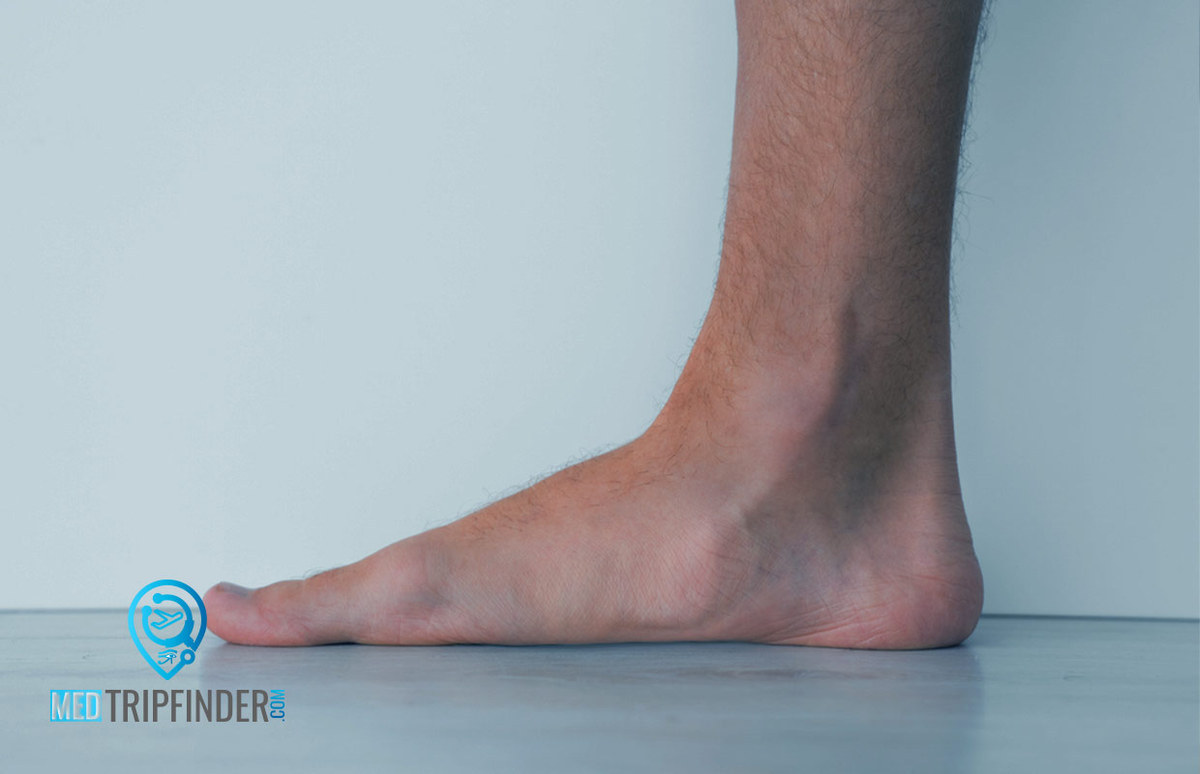
Flat Foot, also known as pes planus, is a common condition in which the arch of the foot is flattened, causing the inner side of the foot to touch the ground completely when standing. For some people, it may cause discomfort or pain, while others may not experience noticeable symptoms.
What is flat foot?
In flat foot, the inner arches of the feet are absent or abnormally low, causing the entire sole to touch the ground while standing. The causes and symptoms vary, and treatment depends on the degree of the condition and the severity of symptoms.
Is flat foot considered a disability?
Flat foot is not necessarily considered a disability in most cases. People with flat feet can usually live completely normal lives. However, the condition may sometimes cause problems such as pain in the feet, legs, or back, and in severe cases, it may affect movement.
Types of flat foot
Flat foot can be divided into several types:
• Flexible flat foot: This is the most common type, where the arch appears when the foot is lifted but disappears when standing.
• Rigid flat foot: The arch is absent whether the foot is lifted or bearing weight.
• Acquired flat foot: This develops over time, often due to injury or excessive weight.
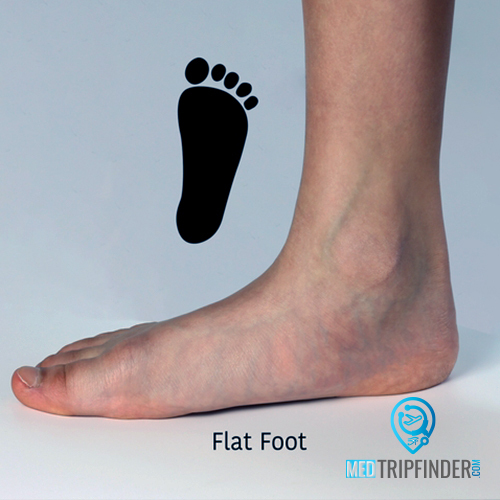
Appearance of flat foot
Flat foot is characterized by the absence of a visible arch when standing, causing the entire foot to make contact with the ground. This condition can be noticed by comparing a flat foot with a normal foot.
Degrees of flat foot
The severity of flat foot varies depending on the degree of foot flatness:
• Grade 1: Mild flattening that usually causes no symptoms.
• Grade 2: Moderate flattening that may cause some pain or fatigue.
• Grade 3: Severe flattening that may affect walking and requires treatment.
Causes of flat foot
Common causes include:
• Genetic factors: A person may be born with the condition.
• Foot injuries: Such as fractures or tears that affect the foot arch.
• Excess body weight: This applies additional pressure on the arches.
• Wearing improper footwear: That does not provide adequate arch support.
• Aging: This weakens tendons and muscles over time.
Symptoms of flat foot
Common symptoms of flat foot include:
• Pain in the feet, especially in the arch or heel area
• Quick fatigue in the feet after physical activity
• Swelling on the inside of the ankle
• Knee, hip, or back pain due to an imbalance
Complications of flat foot
Flat foot may lead to:
• Increased risk of tendon inflammation
• Persistent pain in the feet and legs
• Changes in posture and walking pattern
• Increased risk of injuries during sports activities
When does flat foot appear in children?
Flat feet often appear in early childhood, as most babies are born with flat feet. As children grow, the arches usually develop naturally by the age of six or seven. However, some may continue to have flat feet into adulthood.
Flat foot treatment
Treatment of flat foot depends on the severity of symptoms and may include:
• Supportive shoes: Wearing shoes with arch support can help reduce pain.
• Exercise programs: Strengthening exercises for foot and ankle muscles.
• Orthotic devices: Braces or inserts that help correct foot alignment.
• Surgery: In severe cases that do not respond to other treatments, surgery may be necessary to correct the arch.
Treatment of flat foot in children
Treatment for flat foot in children depends on the degree of flattening and any accompanying symptoms. In many cases, no treatment is needed if the condition does not cause pain or mobility problems. However, if the child is experiencing bothersome symptoms, the following treatments may be considered:
• Supportive footwear to support the arch
• Physical therapy to strengthen foot and ankle muscles
• Surgery (rare in children, used only in severe cases)
Treatment for flat foot in youth
Young adults with flat feet may require more intervention if the condition affects physical activity or causes pain. Treatment options include:
• Orthotic supports, such as supportive braces or splints, are used during sports activities
• Physical therapy with specific exercises to improve the arch and strengthen the surrounding muscles
• Anti-inflammatory medications to reduce pain and swelling
Treatment for flat foot in adults
In adults, flat foot may become more complex due to natural wear of tendons and bones with age. Treatment may include:
• Wearing proper footwear that provides adequate arch support
• Exercise programs to strengthen muscles around the foot
• Surgery is performed in severe cases that do not respond to other treatments
Do flat foot insoles cure the condition?
Flat foot insoles or arch supports do not permanently cure flat foot, but they help relieve symptoms. They provide additional arch support and reduce pressure on the foot, improving comfort and walking ability.
Flat foot treatment with exercises
Exercises are an important part of treatment, including:
• Toe pick-up exercise: Using the toes to pick up small objects from the floor.
• Arch stretching exercise: Sitting and placing one foot over the other leg, then pulling the toes back to stretch the arch.
• Toe standing exercise: Standing on the tips of the toes to strengthen foot and ankle muscles.
Flat foot surgery
Flat foot surgery is usually the last treatment option and is performed in severe cases that do not respond to non-surgical treatments. The procedure involves correcting the alignment of bones and tendons to rebuild the foot arch.
Risks of flat foot surgery
Although flat foot surgery aims to improve foot function, it may involve risks such as:
• Wound infection
• Long-term pain
• Incomplete success of the procedure
• Problems with wound healing
Cost of flat foot surgery
The cost of flat foot surgery depends on several factors, including:
• Surgeon’s experience, which is crucial for minimizing risks
• Hospital quality, including medical equipment and nursing care
• The country where the surgery is performed, as the cost of living and currency value affect pricing
Flat foot treatment centers in Egypt
Egypt has many specialized flat foot treatment centers. However, it is important to choose a center with a good reputation and a qualified medical team.
Best orthopedic doctor in Egypt
Choosing the best orthopedic doctor in Egypt requires finding a specialist with experience in flat foot treatment and foot surgery, along with a strong track record of successful cases and positive patient reviews.
MedTripFinder helps patients find the best orthopedic doctors and treatment centers in Egypt. It also arranges appointments, travel plans, and accommodation to ensure a comfortable treatment experience.My Experience with flat foot treatment
Experiences with flat foot treatment vary from person to person. However, many patients who undergo treatment—whether through exercises or surgery—report significant improvement in symptoms and walking ability.
One of our clients shared his experience:
“MedTripFinder made my treatment journey easy and comfortable. I was very afraid of surgery complications, but the pain had become unbearable. After reviewing MedTripFinder's recommendations for the orthopedic doctor and the physiotherapy center, I decided to proceed with the surgery. It was successful and safe, with no complications. MedTripFinder also arranged all my physical therapy sessions, which helped speed up my recovery. I consider my experience with flat foot treatment through MedTripFinder one of the most successful experiences in my life.”
Conclusion
Flat foot is a common condition that can affect quality of life if not managed properly. With modern treatments and supportive devices, people with flat feet can live active and comfortable lives. It is important to consult a doctor if symptoms affect daily life to receive proper guidance and effective treatment.
Other Operations
Hip Replacement Surgery
Hip replacement surgery is a common procedure aimed at improving the lives of those suffering from hip joint problems.
Treatment of ACL Injury
ACL injuries are common and painful, requiring accurate diagnosis and appropriate treatment to ensure a full recovery.
Achilles Tendon Injury Treatment
Achilles tendon injury, whether it is inflammation or a tear, requires careful medical attention and an effective treatment plan.
Treatment of Clubfoot
It is a congenital foot deformity where the foot turns inward or downward. Early treatment with casting, braces, or surgery can achieve normal movement.