


Table of Content
Causes of knee osteoarthritisSymptoms of knee osteoarthritisComplications of knee osteoarthritisKnee osteoarthritis treatmentTreatment for knee osteoarthritis in the elderly Duration of treatment for knee osteoarthritisDoes walking help treat knee osteoarthritis?What foods can treat knee osteoarthritis?My experience with knee osteoarthritisBest doctor for knee osteoarthritisConclusion
Knee Osteoarthritis Treatment
We work hard to create an exceptional experience for you during your treatment in Egypt. When you book through our website, you will receive a distinguished medical service inside Egypt. In your medical journey, we will provide you with tourism and entertainment services as well.
Knee Osteoarthritis Treatment
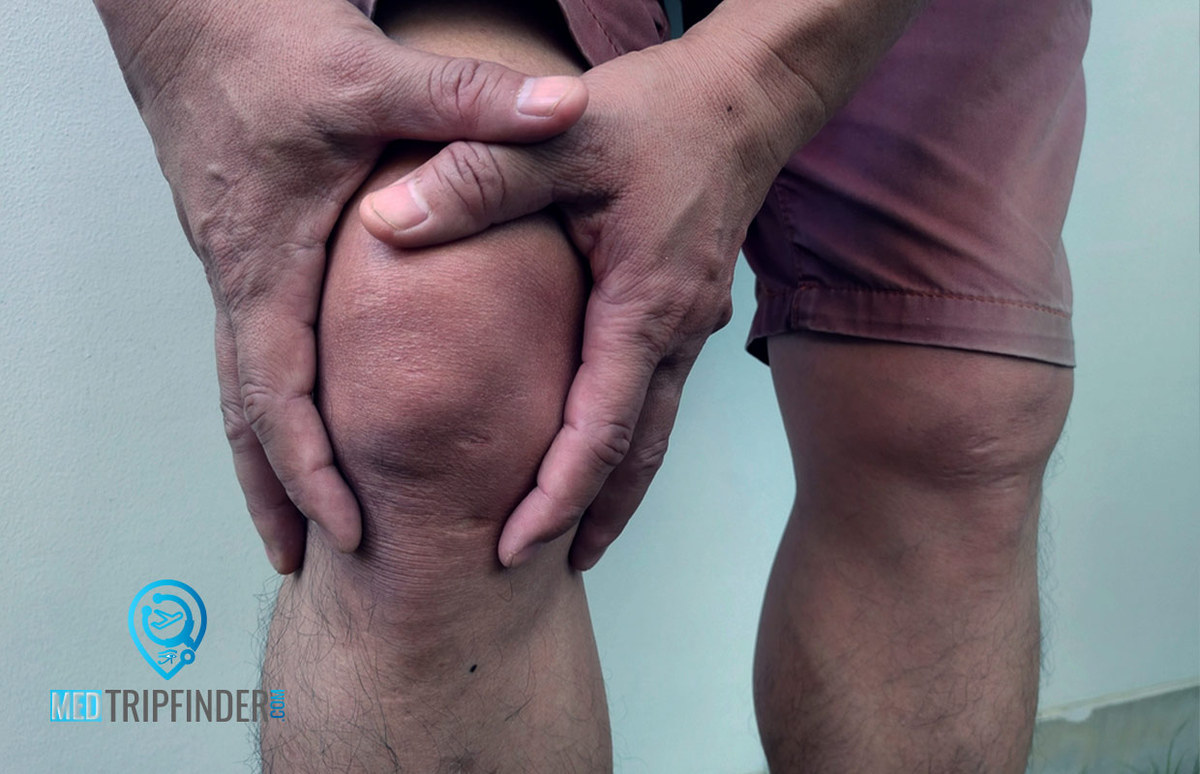
Knee osteoarthritis is one of the most common conditions among older adults and a leading cause of pain and disability. It occurs when the cartilage that cushions the bones within the knee joint wears down, causing bones to rub against each other. This leads to pain, swelling, and difficulty moving. Women are particularly affected by this condition, making it important to understand its causes and treatment options.
Causes of knee osteoarthritis
Knee osteoarthritis results from several factors that lead to cartilage breakdown, including:
• Aging: The body’s ability to regenerate cartilage decreases with age.
• Repeated injuries: Knee injuries such as sprains or ligament tears can contribute to the development of osteoarthritis over time.
• Excess weight: Excess weight increases pressure on the knee joint and accelerates cartilage wear.
• Genetic factors: Family history may raise the risk of developing knee osteoarthritis.
• Intense physical activity: Repetitive or high-impact activities can damage cartilage.
• Chronic diseases: Such as rheumatoid arthritis and gout.
Knee osteoarthritis is more common among women for several reasons, including:
• Hormonal changes: After menopause, estrogen levels decrease, leading to weakened cartilage.
• Bone structure: Women tend to have smaller knee joints that are more prone to injury compared to men.
• Weight gain: Women are more prone to weight gain after menopause, which increases the pressure on the knees.
• Genetics: Genetics plays a role in making some women more prone to knee osteoarthritis.
Symptoms of knee osteoarthritis
• Pain that worsens with movement or prolonged standing.
• Stiffness, especially after rest or in the morning.
• Knee swelling as a result of inflammation in the joint.
• Grinding or clicking sounds when moving the joint.
• Limited mobility, affecting walking and climbing stairs.
Complications of knee osteoarthritis
If knee osteoarthritis is not treated properly, the condition can develop into serious complications, including:
• Complete cartilage loss leading to direct bone friction and increased pain.
• Knee deformities.
• Difficulty walking or need for assistive devices, such as crutches or a wheelchair.
• Chronic joint inflammation and reduced quality of life.
Knee osteoarthritis treatment
Treatment for knee osteoarthritis depends on the degree of osteoarthritis and the severity of symptoms. Treatment options for knee osteoarthritis include:
1- Non-surgical treatment of knee osteoarthritis
Non-surgical treatment is the first option for many patients, especially in the early stages. It includes:
• Medications: Pain relievers, nonsteroidal anti-inflammatory drugs (NSAIDs), and supplements like glucosamine and chondroitin that may support cartilage health.
• Physical therapy: Exercise plays a major role in treating knee osteoarthritis. Helpful exercises include:
o Strengthening exercises: Such as quadriceps strengthening (e.g., straight leg raises) and hamstring exercises (e.g., knee bending while standing).
o Flexibility exercises: Stretching exercises increase the flexibility of the muscles surrounding the knee, and elongation exercises improve the range of motion in the joint.
o Balance exercises: Help improve stability and reduce the risk of falls.
• Heat and cold therapy: Using heat or ice to relieve pain and improve circulation.
• Injection therapy: Intra-articular injections are an effective treatment option for knee osteoarthritis, including:
o Cortisone injections: Provide fast relief from pain and inflammation, but should be used cautiously under medical supervision due to the possibility of their effect on cartilage with repeated use.
o Hyaluronic acid injections: Act as a lubricant to ease movement and reduce pain.
o PRP injections: Help promote tissue regeneration and improve healing.
• Devices for knee osteoarthritis treatment
Several devices can help relieve pain and improve knee function, such as:
o Braces and supports: Reduce pressure on the knee and improve movement.
o Electrical stimulation devices: Stimulate muscles and improve blood flow to the affected area.
o Radiofrequency devices: Reduce chronic knee pain by targeting nerves around the joint. It works by sending electrical currents through small electrodes to destroy nerves that transmit pain signals to the brain. The effect of treatment can last from 6 months to 2 years.
2- Surgical treatment
• Arthroscopy is used to remove damaged tissue from the joint.
• Partial or total knee replacement in advanced cases.
3- Nutrition & weight control
• Maintain a healthy weight to reduce pressure on the knee.
• Eat nutrient-rich foods to support joint health.
Treatment for knee osteoarthritis in the elderly
Older adults are the most in need of treatment for knee osteoarthritis. However, treating knee osteoarthritis in older adults requires careful consideration to avoid negatively impacting overall health. Options include:
• Physical therapy and gentle exercises to promote strength and flexibility without excessive strain.
• Medications with adjusted doses according to the patient’s condition.
• Local injections to control pain and reduce inflammation.
• Surgery is performed in specific severe cases when other treatments fail.
Duration of treatment for knee osteoarthritis
The duration of knee osteoarthritis treatment depends on the severity of the condition and the type of treatment used. Non-surgical treatments require a longer time to show results, which may extend from weeks to months. Surgical treatments, on the other hand, require a recovery period of 6 weeks to 3 months, depending on the type of surgery, the patient's age, and the overall health.
Does walking help treat knee osteoarthritis?
Walking is an important exercise that can help alleviate the symptoms of knee osteoarthritis if done correctly. Walking promotes blood flow to the joint, which helps nourish the cartilage and maintain joint flexibility. However, it is essential to walk slowly and avoid hard surfaces to minimize stress on the knee.
What foods can treat knee osteoarthritis?
Diet supports joint health. Beneficial foods include:
• Omega-3-rich foods (fatty fish, flaxseeds, nuts).
• Leafy greens (spinach) contain antioxidants and vitamins.
• Fruits rich in vitamin C (berries, oranges) contain vitamin C that is beneficial for collagen production.
• Low-fat dairy products (calcium) to support bone health.
• Legumes (beans, lentils) contain fiber and protein to support joint health.
My experience with knee osteoarthritis
Patient experiences with knee osteoarthritis vary depending on the severity of the condition and their response to treatment. Many patients report improvement with different therapies.
A patient’s family from Saudi Arabia shared:
“My mother suffered from knee osteoarthritis for a long time. We tried medications, injections, and physiotherapy, but her condition worsened with age. The doctor recommended knee replacement surgery as a final solution. After conducting all the tests and informing the doctor of her medical history, the surgery was successful. Thanks to MedTripFinder for making all the procedures and arrangements easy and allowing me to focus on supporting my mother.”
Best doctor for knee osteoarthritis
Choosing the right doctor for knee osteoarthritis treatment depends on the doctor's experience and specialization. In Egypt, orthopedic specialists offer advanced joint treatments. MedTripFinder helps patients find experienced doctors with strong reviews and modern techniques.
Conclusion
Knee osteoarthritis is a common condition that affects quality of life, especially in older adults and women. Understanding its causes, symptoms, and treatments helps reduce pain and improve mobility. With proper medical care and a healthy lifestyle, patients can manage the condition effectively and regain daily activity.
Other Operations
Treatment of Clubfoot
It is a congenital foot deformity where the foot turns inward or downward. Early treatment with casting, braces, or surgery can achieve normal movement.
Treatment of ACL Injury
ACL injuries are common and painful, requiring accurate diagnosis and appropriate treatment to ensure a full recovery.
Knee Replacement Surgery
It is an effective solution for treating chronic knee problems where damaged joint is replaced with an artificial one to improve mobility and relieve pain.
Bowed Legs Treatment
Bowed legs is a condition causing leg curvature, affecting walking and balance. The treatments range from exercises to surgery.