


Table of Content
Causes of hip dislocation in childrenHow do I know if my child has hip dislocation (dysplasia)?What are the symptoms of hip joint dislocation?Degrees of hip dislocationComplications of hip dislocation in childrenHow can complications from hip dislocation be prevented?Can hip dislocation be fully treated?The importance of early diagnosis and early treatmentTreatment of hip dislocation in childrenHip reduction surgery for childrenThe best pediatric orthopedic doctor in EgyptPatient experiences with hip dysplasia in childrenConclusion
Treatment of hip dislocation in children
We work hard to create an exceptional experience for you during your treatment in Egypt. When you book through our website, you will receive a distinguished medical service inside Egypt. In your medical journey, we will provide you with tourism and entertainment services as well.
Treatment of hip dislocation in children
Hip joint dislocation in children is a medical condition that occurs when the head of the femur is not stable within the hip socket. Early detection and treatment of this dislocation are essential to ensure healthy growth and development in children. This article discusses how to recognize hip dislocation in children, its symptoms, causes, and available treatment options.
Causes of hip dislocation in children
• Genetic factors: A family history of hip dislocation increases the risk.
• Position in the uterus: The baby’s position during pregnancy may affect hip development.
• Multiple births: Twins or multiples may have a higher risk due to limited space in the uterus.
• Developmental differences: Problems with the development of the hip joint.
How do I know if my child has hip dislocation (dysplasia)?
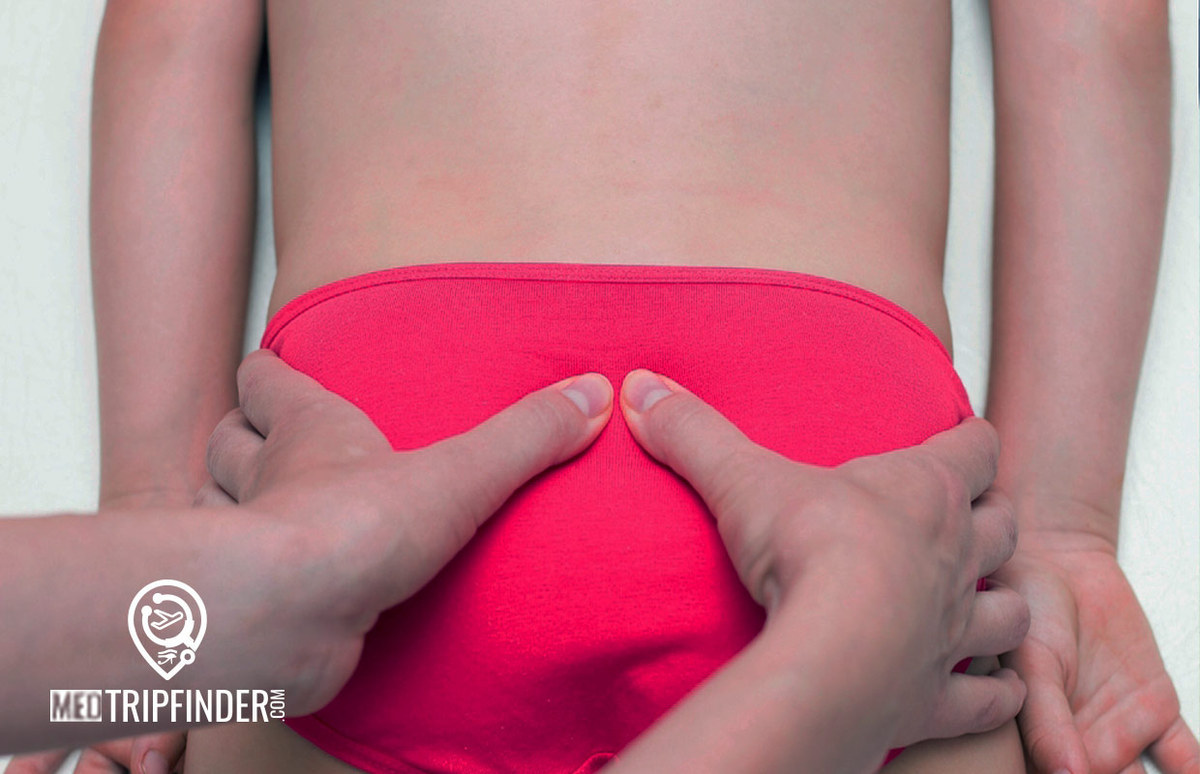
To determine whether your child has a hip joint dislocation, you should watch for some common signs and symptoms, including:
• Asymmetry in skin folds: Uneven skin folds on the thighs.
• Difference in leg length: One leg may appear shorter than the other.
• Difficulty moving the leg: The child may experience difficulty or pain when moving the affected leg.
• Clicking sound during movement: Hearing a clicking or popping sound when moving the hip joint may indicate hip dislocation.
What are the symptoms of hip joint dislocation?
Symptoms may include:
• Difficulty moving: Trouble moving the affected thigh or leg.
• Hip pain: Especially during movement.
• Unequal leg length: One leg may appear shorter than the other.
• Limping: Parents may notice the child walking abnormally or leaning more to one side.
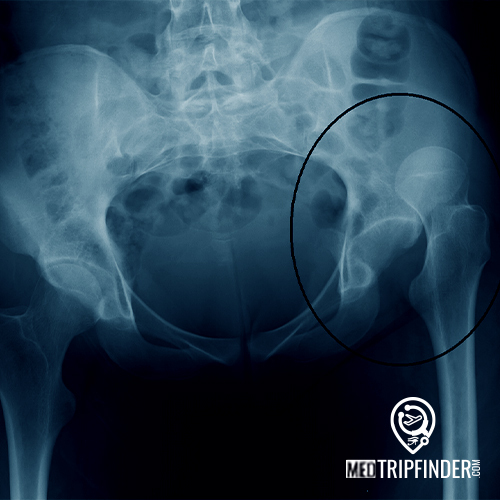
Symptoms can be clearly identified through clinical examinations and imaging tests such as X-rays. Monitoring a child’s growth and motor development regularly helps detect any abnormalities that may indicate hip dislocation. X-ray images show the position of the femoral head and its relationship to the hip socket, which aids in early diagnosis.
Degrees of hip dislocation
Hip dislocation ranges from mild to severe and includes:
• Partial dislocation: The femoral head is partially displaced from the socket.
• Complete dislocation: The femoral head is completely out of the socket.
• Persistent dislocation: The femoral head remains permanently outside the socket.
Complications of hip dislocation in children
If untreated in early stages, hip dislocation may lead to complications such as:
• Early arthritis: Inflammation in the hip joint, causing pain and stiffness.
• Cartilage wear: Damage to the cartilage covering the joint.
• Pelvic deformities: Changes in pelvic shape affecting posture and walking.
• Movement difficulties: Difficulty performing daily activities like running and playing.
• Chronic pain: Long-term pain in the hip joint affecting the child’s quality of life.
How can complications from hip dislocation be prevented?
• Early diagnosis: Regular checkups for newborns help detect hip dislocation early. The earlier hip dislocation is diagnosed and treated, the better the outcome. Children’s bones are more flexible in the early years of life, making it easier to correct the dislocation.
• Appropriate treatment: Treatment should begin immediately after diagnosis and may include braces, medical devices, or surgery in some cases.
• Regular follow-up: Follow up periodically to ensure the treatment success and the absence of any complications.
• Physical therapy: It helps strengthen muscles around the hip joint and improve movement range.
Can hip dislocation be fully treated?
Yes, children can fully recover from hip dislocation if it is diagnosed and treated early. Early detection greatly increases the chances of complete recovery.
The importance of early diagnosis and early treatment
Early diagnosis of hip dislocation significantly increases the chances of complete recovery and reduces the need for complex surgery. Therefore, newborns should be routinely examined for any signs of hip dislocation.
If your child shows symptoms of hip dislocation, you should consult a pediatric orthopedic specialist for proper diagnosis and treatment planning.
Treatment of congenital hip dislocation becomes more complicated after the first year compared to treatment in the first few months, because the child’s bones start to harden, making repositioning the hip joint more difficult.
Treatment of hip dislocation in children
Treatment of hip dislocation in children depends on the degree of the dislocation and the child’s age. Options include:
• Bracing: A brace keeps the hip joint in the correct position during the child's growth.
• Medical belt: Helps maintain the hip in its proper position and provides support.
• Physical therapy: Strengthens muscles around the hip joint and improves mobility.
• Pavlik harness: A special device placed on the child’s legs to stabilize the hip joint.
• Hip reduction surgery for children: Used in severe or late cases to correct the dislocation.
Hip reduction surgery for children
In severe and more complex cases, hip reduction surgery may be necessary to correct the dislocation. This procedure involves repositioning the femoral head into the proper hip socket and stabilizing it using surgical tools. The procedure requires general anesthesia and close postoperative monitoring to ensure its success.
Why is hip reduction surgery performed?
• Correcting the dislocation: Restoring the femoral head to its proper position.
• Preventing complications: Avoiding limping, pelvic deformities, or future arthritis.
• Improving quality of life: Allowing the child to move normally and participate in daily activities.
When is hip reduction surgery performed?
The ideal timing depends on the child’s age and the severity of the dislocation, but surgery is often performed during the first months of life.
Types of hip reduction surgery
There are several types of surgeries to correct hip dislocation, and the surgeon chooses the appropriate type based on the child's condition, including:
• Open surgery: A surgical incision is made to place the femoral head back into the socket.
• Closed reduction: The femoral head is repositioned using a traction device.
• Additional procedures: Some cases may require additional surgical procedures, such as cutting the muscles or applying a cast.
Recovery period after hip reduction surgery
The recovery period after surgery varies depending on the type of surgery, the child's age and health condition, but in general it includes putting a cast on the child's leg for a certain period, physical therapy sessions, and periodic follow-up to ensure the success of the procedure and the absence of any complications.
Success rate of hip reduction surgery
The success rate is generally very high, especially when diagnosed and treated early. However, success depends on several factors:
• The child’s age at surgery, the younger children usually have better outcomes
• Severity of dislocation, mild cases are easier to correct
• Type of surgery performed
• Surgeon’s experience and skill
• Family commitment to post-surgery physical therapy
The best pediatric orthopedic doctor in Egypt
Finding the best pediatric orthopedic doctor in Egypt depends largely on experience and patient reviews. It is recommended to search for specialists experienced in treating pediatric hip dislocation and review feedback from previous patients.
MedTripFinder helps patients save time and effort by providing information about the best doctors in Egypt across different medical specialties, and assists with booking appointments, organizing schedules, and follow-up arrangements.Patient experiences with hip dysplasia in children
Patient experiences can provide valuable information and emotional support. Sharing these experiences helps other families make informed decisions.
One mother from Saudi Arabia shared her experience:
"I noticed a change in my daughter’s walking pattern. We didn’t know which doctor or hospital in Egypt to visit. With the help of MedTripFinder, which arranged everything, including flights and hotel bookings, the process became very easy. We visited one of the best pediatric orthopedic doctors in Egypt, who reassured us and successfully treated my daughter’s hip dislocation that we hadn’t even realized she had. The treatment period was smooth and comfortable."
Conclusion
Hip dislocation in children is a condition that requires early diagnosis and treatment to ensure healthy development. Parents should watch for signs of hip problems and consult a doctor if necessary. With proper treatment and medical care, children can recover well and avoid future complications.
Other Operations
Treatment of Clubfoot
It is a congenital foot deformity where the foot turns inward or downward. Early treatment with casting, braces, or surgery can achieve normal movement.
Flat Foot Treatment
Flat foot is a common condition that can affect quality of life if not properly managed with advanced treatments and assistive devices.
Achilles Tendon Injury Treatment
Achilles tendon injury, whether it is inflammation or a tear, requires careful medical attention and an effective treatment plan.
Knee Osteoarthritis Treatment
Knee osteoarthritis treated with medications, therapy, injections, and surgery in severe cases improving mobility and pain.